

Vitamin C
Overview
Vitamin C—also known as ascorbic acid—is a water-soluble vitamin essential for human health. Unlike many animals, humans cannot synthesize vitamin C and therefore depend on dietary intake from foods such as citrus fruits, berries, kiwifruit, peppers, tomatoes, and leafy vegetables, or from supplemental forms. Its biological roles are broad: it functions as an antioxidant, supports collagen formation, contributes to wound healing, aids carnitine and neurotransmitter synthesis, and enhances non-heme iron absorption. It is also closely linked with normal immune function, which is one reason it remains one of the most widely used dietary supplements worldwide.
The classical deficiency disease associated with inadequate vitamin C is scurvy, a condition marked by fatigue, gum bleeding, easy bruising, poor wound healing, joint pain, and impaired connective tissue integrity. Severe deficiency is now relatively uncommon in many industrialized countries, but suboptimal intake still occurs in certain populations, including people with highly restrictive diets, malabsorption disorders, alcohol use disorder, smoking exposure, or limited access to fresh produce. Interest in supplementation extends far beyond deficiency prevention, however, with ongoing public attention focused on vitamin C’s possible roles in immune support, respiratory infections, skin health, cardiovascular health, exercise recovery, and oxidative stress modulation.
Vitamin C is available in many supplemental forms, including ascorbic acid, mineral ascorbates such as sodium ascorbate or calcium ascorbate, buffered products, liposomal preparations, powders, capsules, chewables, and intravenous formulations used in some clinical contexts. Although these products are often marketed differently, conventional nutrition science generally considers most oral forms to provide vitamin C effectively, with differences in tolerability or delivery sometimes emphasized more than clear superiority in outcomes. Because vitamin C is water-soluble, excess oral intake is not typically stored extensively in the body, though very high intakes may be associated with gastrointestinal upset and, in some individuals, other safety considerations.
From a public health perspective, vitamin C occupies an unusual position: it is both a foundational nutrient with an undisputed role in deficiency prevention and a high-interest supplement associated with broader wellness claims that vary in evidentiary support. Research strongly supports its necessity for normal physiology and for preventing and treating deficiency, while studies on supplemental vitamin C for common colds, chronic disease prevention, and other non-deficiency applications have produced more mixed findings. This makes vitamin C a useful example of how a nutrient can be essential, clinically meaningful, and yet not uniformly beneficial for every proposed use. As with any supplement, interpretation is best placed in the context of an individual’s diet, health status, medications, and guidance from qualified healthcare professionals.
Medical Perspectives
Two Ways of Seeing Health

Western
scientific · clinical
Western medicine applies science, technology, and clinical experience to treat symptoms through testing, diagnosis, and targeted intervention.

Eastern
traditional · alternative
Eastern medicine focuses on treating the body naturally by applying traditional knowledge practiced for thousands of years, emphasizing balance and whole-person wellness.
Gold Bamboo presents both perspectives side-by-side so you can make informed decisions. We don't advocate for one over the other — your health choices are yours.
Western Medicine Perspective
Western Medicine Perspective
In conventional medicine, vitamin C is recognized as an essential micronutrient with clearly established biochemical and clinical functions. It acts as a cofactor in enzymatic reactions involved in collagen biosynthesis, carnitine production, and catecholamine metabolism, and it helps protect cells from oxidative damage by donating electrons to neutralize reactive oxygen species. Its role in collagen formation explains why deficiency affects tissues with high connective tissue turnover, including skin, blood vessels, gums, bone, and cartilage. The diagnosis and treatment of scurvy are well established in medical literature, and vitamin C replacement rapidly reverses many symptoms when deficiency is identified.
Research on vitamin C supplementation beyond deficiency has been extensive but uneven. Studies indicate that routine vitamin C supplementation in the general population does not consistently prevent the common cold, though some evidence suggests it may modestly shorten duration or slightly reduce severity in certain groups, particularly in people under significant physical stress or cold exposure. Evidence for broader disease prevention—such as cardiovascular disease, cancer, or age-related chronic illness—has generally been less convincing in randomized trials than in observational studies, possibly reflecting the difficulty of separating the effects of vitamin C itself from the overall benefits of fruit- and vegetable-rich diets. In skin health, iron metabolism, and recovery from deficiency-related states, its role is more direct and biologically plausible.
Safety considerations are also part of the conventional approach. Oral vitamin C is generally regarded as well tolerated at usual supplemental intakes, but higher amounts may be associated with diarrhea, abdominal cramping, nausea, or bloating. Some literature has explored a possible association between high intake and kidney stone risk in susceptible individuals, especially in relation to oxalate metabolism, though findings are not uniform across populations. Vitamin C can also interact with laboratory measurements and may be relevant in certain medical contexts such as hemochromatosis, renal impairment, or specialized cancer care involving intravenous administration. For these reasons, conventional medicine typically treats vitamin C as both a basic nutritional requirement and a supplement whose broader use deserves context-specific evaluation rather than blanket assumptions.
Eastern & Traditional Perspective
Eastern/Traditional Medicine Perspective
Traditional medical systems do not always discuss vitamin C as an isolated biochemical compound, because many of these systems developed long before modern nutrient chemistry. Instead, they typically frame health through the qualities and functions of foods, herbs, digestion, vitality, and tissue nourishment. In Traditional Chinese Medicine (TCM), foods rich in vitamin C—such as citrus, berries, and many vegetables—may be viewed according to properties like temperature, स्वाद/energetic action, and organ system affinities, rather than vitamin content alone. From that perspective, the effects of such foods may be discussed in terms of supporting fluids, aiding recovery, influencing the Lung and Spleen systems, or helping the body respond to external stressors, depending on the food and the individual pattern.
In Ayurveda, nutrient-rich fruits and plant foods are more often understood through their effect on agni (digestive fire), ojas (vital essence), and the balance of the doshas. Fruits classically associated with rejuvenation, resilience, and tissue support—most notably amalaki (Emblica officinalis, or amla)—are especially relevant because they are naturally rich in vitamin C and are traditionally valued in rasayana practice. Rather than isolating vitamin C as the primary therapeutic agent, Ayurveda generally emphasizes the whole plant matrix, digestive capacity, constitution, season, and overall dietary pattern.
Naturopathic and integrative traditions often bridge biochemical and traditional perspectives more directly. Within these frameworks, vitamin C is commonly discussed as a nutrient connected with immune resilience, antioxidant defense, connective tissue support, and stress physiology. Traditional and holistic practitioners may also place importance on whether nutrients are obtained from whole foods versus isolated supplements, and may consider synergy with bioflavonoids and other phytonutrients. Even so, evidence-based integrative care typically distinguishes between traditional use, physiologic rationale, and clinical proof, acknowledging that not all historical or theoretical uses have been confirmed in high-quality modern trials.
Overall, Eastern and traditional perspectives tend to place vitamin C within a broader ecological view of nourishment, where food quality, balance, digestion, constitution, and seasonal living matter as much as isolated nutrient intake. This differs from but can complement the conventional model, especially when discussing prevention, dietary diversity, and the relationship between nourishment and resilience. Consultation with appropriately trained healthcare professionals is important when combining supplements with traditional therapies or when using them in the context of chronic illness, pregnancy, or complex medication regimens.
Supplements & Products
Recommended Products
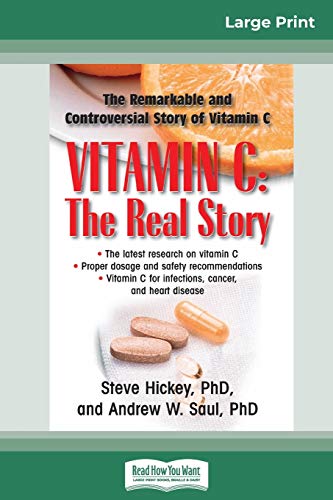
Vitamin C: The Real Story, the Remarkable and Controversial Healing Factor: Steve Hickey, Andrew W. Saul
Vitamin C: The Real Story is <strong>a timely and valuable clarion call that cuts through misleading blather and making a strong case for the orthomolecular use of vitamin C</strong>. (Townsend Letter
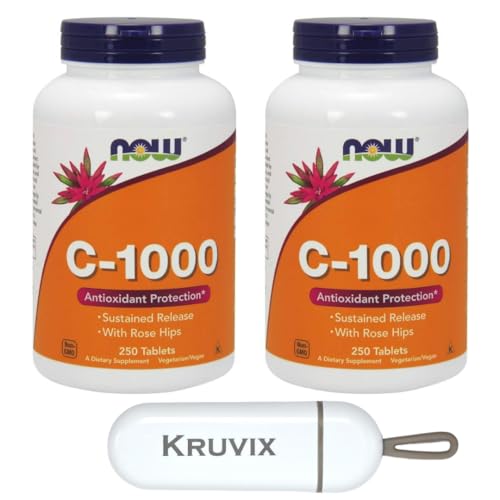
NOW Foods Supplements, Vitamin C-1,000 with Rose Hips, Sustained Release, Antioxidant Protection*, 250 Tablets
SUSTAINED RELEASE: NOW Vitamin ... are expected to be available during the product delivery · WITH ROSE HIPS: <strong>Added source of vitamin C</strong>....
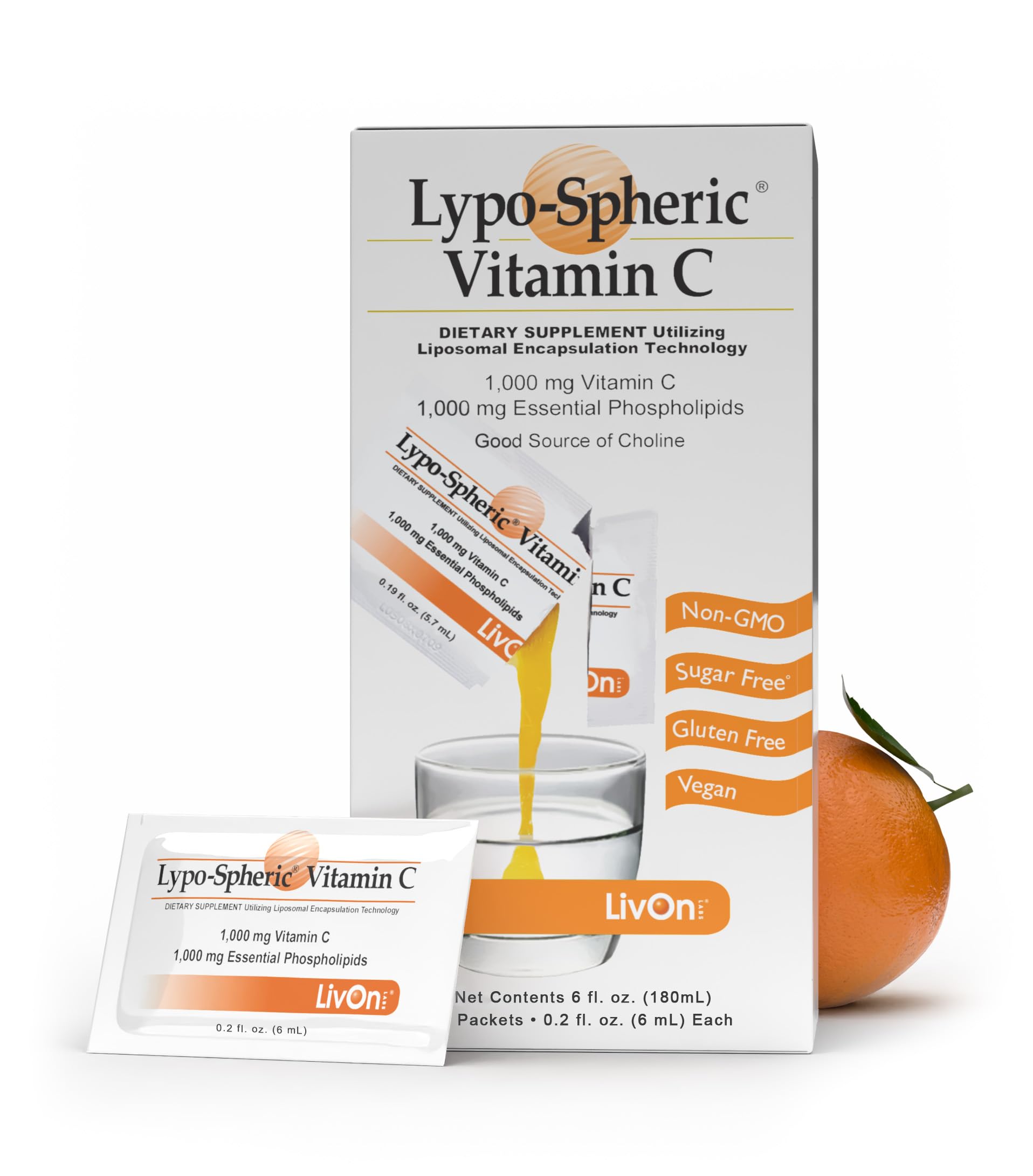
LivOn Laboratories Lypo–Spheric Liposomal Vitamin C 1000mg - No Sugar, Immune Support, Plant Based - Easy to Swallow, Absorbable - Non–GMO, Gluten Free (0.2 fl oz Individual 30 Packets)
LivOn Laboratories Lypo–Spheric Vitamin C, 1000 mg Vitamin C & 1000 mg Essential Phospholipids Per Packet, <strong>Liposome Encapsulated for Improved Absorption, 100% Non–GMO, 1 Carton, 0.2 Fl Oz
Evidence & Sources
Promising research with growing clinical support from multiple studies
- NIH Office of Dietary Supplements: Vitamin C Fact Sheet for Health Professionals
- National Center for Complementary and Integrative Health (NCCIH)
- Cochrane Database of Systematic Reviews
- The New England Journal of Medicine
- The American Journal of Clinical Nutrition
- Nutrients
- World Health Organization (WHO)
- Institute of Medicine (National Academies)
This content is for informational purposes only and does not constitute medical advice. Always consult a qualified healthcare provider before starting, stopping, or changing any supplement or medication regimen.