

Vitamin B9
Also known as: Folate, Folic Acid, Vit B9
Overview
Vitamin B9 is the umbrella term commonly used for folate and closely related compounds involved in DNA synthesis, cell division, amino acid metabolism, and red blood cell formation. Folate occurs naturally in foods such as leafy greens, legumes, citrus, and liver, while folic acid is the synthetic form used in fortified foods and many supplements. Because rapidly dividing tissues rely heavily on folate-dependent pathways, vitamin B9 is especially important during periods of growth, including pregnancy, infancy, and adolescence.
Vitamin B9 is best known for its role in prenatal health. Adequate folate status before conception and during early pregnancy is strongly associated with a lower risk of neural tube defects in the developing fetus. Beyond reproductive health, folate is also relevant to megaloblastic anemia, homocysteine metabolism, and general cellular function. Low folate levels may contribute to fatigue, weakness, pallor, mouth soreness, and changes in blood counts, although these symptoms are not specific to folate deficiency alone.
From a public health standpoint, folate has been widely studied because deficiency can arise from inadequate dietary intake, alcohol misuse, malabsorption disorders, certain medications, and increased physiological demand. Many countries have adopted folic acid fortification policies to reduce deficiency-related complications, particularly congenital neural tube defects. Research also continues to explore links between folate status and cardiovascular health, cognition, mood, and cancer biology, though those areas are more complex and not uniformly settled.
A key point in understanding vitamin B9 is the distinction between natural folate and supplemental folic acid. Folic acid is highly stable and effective for preventing deficiency, but its metabolism differs somewhat from naturally occurring folates. Some formulations also contain L-methylfolate, a biologically active form that has drawn interest in certain clinical contexts. Overall, vitamin B9 remains one of the most important and well-recognized nutrients in preventive nutrition, especially in maternal-fetal health.
Medical Perspectives
Two Ways of Seeing Health

Western
scientific · clinical
Western medicine applies science, technology, and clinical experience to treat symptoms through testing, diagnosis, and targeted intervention.

Eastern
traditional · alternative
Eastern medicine focuses on treating the body naturally by applying traditional knowledge practiced for thousands of years, emphasizing balance and whole-person wellness.
Gold Bamboo presents both perspectives side-by-side so you can make informed decisions. We don't advocate for one over the other — your health choices are yours.
Western Medicine Perspective
Western Medicine Perspective
In conventional medicine, vitamin B9 is understood as an essential water-soluble vitamin required for one-carbon transfer reactions that support nucleotide synthesis and methylation. Clinically, folate status is most often discussed in relation to pregnancy, anemia, and deficiency states. The strongest and most established use of folic acid is in the prevention of neural tube defects, which is why public health agencies have long emphasized sufficient folate intake in people who may become pregnant. This is one of the clearest examples of a nutrient with major preventive relevance at the population level.
Folate deficiency is evaluated through dietary history, bloodwork, and assessment of underlying causes such as celiac disease, inflammatory bowel disease, alcoholism, hemolytic states, or medication effects. Certain drugs—notably some antiepileptics, methotrexate, and sulfasalazine—can interfere with folate metabolism. Deficiency may lead to megaloblastic anemia and elevated homocysteine levels. In clinical practice, B9 status is also considered alongside vitamin B12, because low B12 can produce overlapping hematologic findings, and folate can correct some anemia markers while leaving neurological B12-related issues unaddressed.
Research on broader uses of folate is mixed. Studies indicate that folate can reduce homocysteine, a biomarker associated with cardiovascular risk, but lowering homocysteine has not always translated into clear reductions in major cardiovascular events across all populations. There is also ongoing research into folate in depression, cognitive health, and adjunctive psychiatric care, especially in specialized forms such as L-methylfolate, but evidence varies by condition and study design. Conventional medicine therefore tends to regard vitamin B9 as well established for deficiency prevention and prenatal health, while remaining more cautious about claims in other areas.
Safety discussions in western medicine often focus on upper intake limits for folic acid, particularly because high intake may mask hematologic signs of vitamin B12 deficiency. For that reason, folate supplementation is generally considered within the broader context of nutritional status, medication use, and clinical history, ideally with guidance from a qualified healthcare professional.
Eastern & Traditional Perspective
Eastern/Traditional Medicine Perspective
Traditional medical systems generally do not describe health through the lens of isolated vitamins in the same way modern biomedicine does. Instead, patterns associated with low vitality, poor nourishment, pregnancy support needs, weakness after illness, or impaired blood building may be interpreted through broader frameworks such as deficiency, depletion, digestive weakness, or impaired tissue nourishment. In this context, folate-rich foods are often valued not simply for their nutrient content, but for their perceived ability to support blood, growth, reproductive health, and recovery.
In Traditional Chinese Medicine (TCM), symptoms that overlap with nutrient insufficiency may be discussed in terms such as Blood deficiency, Spleen qi deficiency, or Liver Blood insufficiency, depending on the presentation. Foods like dark leafy greens, beans, and animal-source foods may be traditionally incorporated into dietary strategies intended to nourish blood and support pregnancy. TCM does not classify these foods as “vitamin B9 therapy,” but there is conceptual overlap between traditional blood-nourishing practices and modern recognition that folate is important for healthy blood cell production and fetal development.
In Ayurveda, nourishment is often framed through the health of agni (digestive/metabolic fire), tissue formation, and reproductive vitality. Folate-containing foods such as legumes, greens, and citrus may be viewed as part of a diet that supports healthy rakta dhatu (blood tissue) and fetal development when digestion and assimilation are functioning well. Traditional systems often emphasize that nutrition depends not only on intake, but also on digestion, absorption, balance, and constitution.
Naturopathic and integrative frameworks often bridge traditional food-based healing with modern nutritional science. In these settings, vitamin B9 may be discussed both as a biochemical nutrient and as part of a whole-food, restorative approach to energy, pregnancy preparation, and hematologic health. While these perspectives can complement conventional understanding, the traditional evidence base is more rooted in historical use and systems theory than in modern randomized trials, so interpretation benefits from appropriate clinical context and consultation with qualified practitioners.
Supplements & Products
Recommended Products
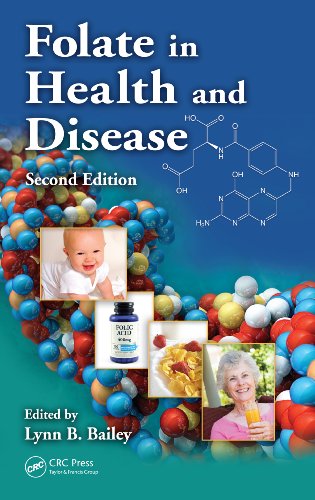
Folate in Health and Disease eBook : Bailey, Lynn B.: Kindle Store
Please refer to the supported device list before purchase. Available on these devices · Lynn B. Bailey, PhD, is a <strong>professor in the Food Science and Human Nutrition Department at the University
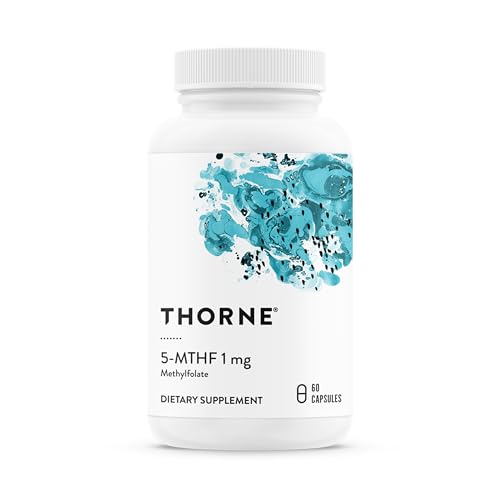
THORNE - 5-MTHF - Methylfolate (Active B9 Folate) Supplement - Supports Cardiovascular Health, Fetal Development, Nerve Health, Methylation & Homocysteine Levels* - 60 Servings - 5-MTHF 1mg
Buy THORNE - 5-MTHF - Methylfolate (Active B9 Folate) Supplement - <strong>Supports Cardiovascular Health, Fetal Development, Nerve Health, Methylation & Homocysteine Levels</strong>* - 60 Serving
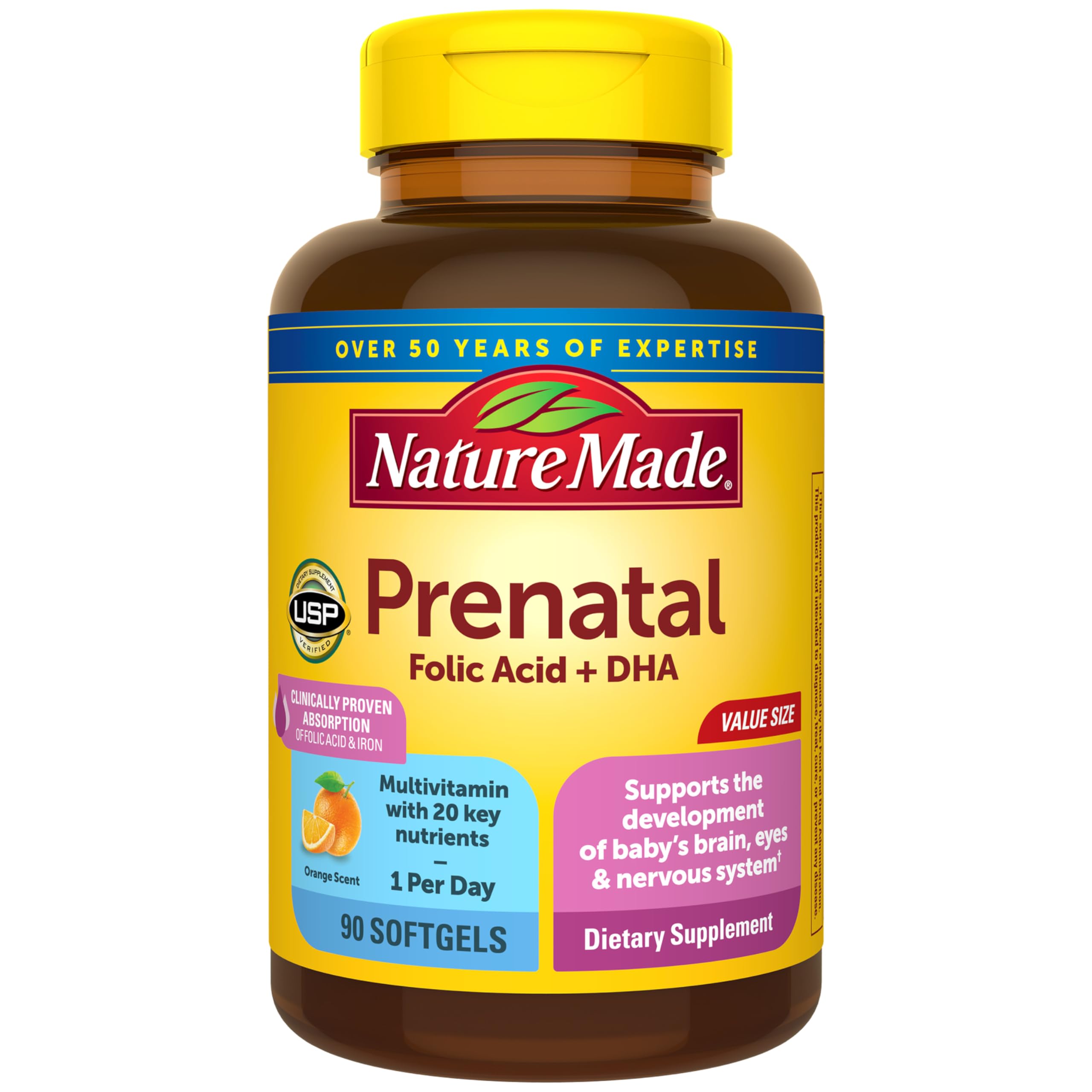
Nature Made Prenatal Vitamins for Women with Folic Acid + DHA, Prenatal Vitamin and Mineral Supplement for Daily Nutritional Support, 90 Softgels, 90 Day Supply
This women's multivitamin prenatal with DHA supplement <strong>offers clinically proven absorption of Folic Acid and Iron</strong>. Adults take one softgel daily with water and a meal for optimal
Evidence & Sources
Supported by multiple clinical trials and systematic reviews
- National Institutes of Health Office of Dietary Supplements
- Centers for Disease Control and Prevention (CDC)
- World Health Organization (WHO)
- New England Journal of Medicine
- American Journal of Clinical Nutrition
- Cochrane Database of Systematic Reviews
- National Center for Complementary and Integrative Health (NCCIH)
This content is for informational purposes only and does not constitute medical advice. Always consult a qualified healthcare provider before starting, stopping, or changing any supplement or medication regimen.