

Vitamin B7
Also known as: Biotin, Vit B7
Overview
Vitamin B7, more commonly known as biotin, is a water-soluble B vitamin that plays a central role in how the body processes carbohydrates, fats, and proteins. It functions as a coenzyme for several carboxylase enzymes involved in energy metabolism, fatty acid synthesis, and gluconeogenesis. Because of this broad metabolic role, biotin is often discussed in relation to cell growth, nervous system support, skin integrity, and healthy hair and nails. It is naturally present in foods such as eggs, nuts, seeds, legumes, and certain organ meats, and it is also produced in small amounts by intestinal bacteria.
Biotin deficiency is considered uncommon in the general population, largely because requirements are relatively low and the vitamin is widely distributed in food. However, deficiency can occur in specific settings, including pregnancy, prolonged parenteral nutrition without adequate supplementation, certain inherited metabolic disorders such as biotinidase deficiency, chronic alcohol use, and long-term use of some anticonvulsant medications. When deficiency develops, recognized signs may include hair thinning, brittle nails, skin rash, neurologic symptoms, and fatigue, though these symptoms are not unique to biotin deficiency and may have many causes.
Public interest in vitamin B7 has grown largely because of its association with hair, skin, and nail health. This has made biotin one of the most widely marketed beauty-oriented supplements. Research suggests that biotin supplementation may be meaningful in people with documented deficiency or specific underlying disorders, but evidence is more limited for broad cosmetic benefits in otherwise healthy individuals. Another important modern consideration is that high-dose biotin can interfere with certain laboratory tests, including some thyroid, cardiac troponin, and hormone assays, which has become a significant safety and diagnostic issue in conventional medicine.
Overall, vitamin B7 occupies an interesting place between essential nutrient science and popular wellness culture. From a nutritional standpoint, it is clearly necessary for human health. From a clinical evidence standpoint, its strongest role is in correcting deficiency states and supporting individuals with biotin-related metabolic conditions, while claims regarding routine use for stronger hair or nails remain more variable and context-dependent. As with any supplement, healthcare professionals generally consider the individual’s nutritional status, symptoms, medications, and lab needs when evaluating biotin use.
Medical Perspectives
Two Ways of Seeing Health

Western
scientific · clinical
Western medicine applies science, technology, and clinical experience to treat symptoms through testing, diagnosis, and targeted intervention.

Eastern
traditional · alternative
Eastern medicine focuses on treating the body naturally by applying traditional knowledge practiced for thousands of years, emphasizing balance and whole-person wellness.
Gold Bamboo presents both perspectives side-by-side so you can make informed decisions. We don't advocate for one over the other — your health choices are yours.
Western Medicine Perspective
Western Medicine Perspective
In conventional medicine, vitamin B7 is understood as an essential micronutrient required for normal metabolic function. Its primary biochemical role is as a cofactor for enzymes involved in fatty acid metabolism, amino acid catabolism, and glucose production. Clinical attention is focused less on biotin as a general wellness enhancer and more on identifying true deficiency, inherited disorders affecting biotin utilization, and potential interactions with diagnostic testing. The U.S. National Institutes of Health and other authorities note that overt deficiency is rare, but it is well recognized in select populations and can produce dermatologic and neurologic manifestations.
Research on biotin for hair and nail health is mixed. Some studies and case reports indicate benefit in people with brittle nails or underlying deficiency-related symptoms, but large, high-quality trials in healthy adults remain limited. For hair loss, conventional clinicians often evaluate many other possible contributors first, such as iron deficiency, thyroid disorders, hormonal conditions, autoimmune disease, nutritional insufficiency, medication effects, and stress-related shedding, because biotin deficiency is only one of many possible explanations. In this framework, biotin is seen as most relevant when there is a plausible deficiency or a medically defined indication rather than as a universally effective cosmetic supplement.
A major safety consideration in western medicine is biotin interference with immunoassay-based laboratory tests. High supplemental intake may cause falsely high or falsely low test results depending on the assay design. This issue has been documented with troponin, thyroid function tests, and several endocrine markers, creating the potential for missed or misleading diagnoses. For that reason, clinicians and laboratories increasingly ask about supplement use when interpreting lab findings. Western medicine therefore views biotin as both an important nutrient and a compound that requires context, especially when used in doses far above normal dietary intake.
Eastern & Traditional Perspective
Eastern / Traditional Medicine Perspective
In Traditional Chinese Medicine (TCM) and related East Asian systems, biotin is not historically described as an isolated vitamin in the modern biochemical sense. Instead, concerns such as hair thinning, brittle nails, dry skin, fatigue, or weakness are interpreted through broader functional patterns involving the Liver, Kidney, Spleen, and Blood. Hair is traditionally said to reflect the state of the Blood and the Kidneys, while digestion and nutrient transformation are associated with the Spleen. From this perspective, symptoms that modern consumers might associate with low biotin could be viewed as signs of deeper imbalance in nourishment, circulation, or constitutional vitality.
In Ayurveda, there is likewise no classical category for vitamin B7 specifically, but related symptoms may be understood through imbalances in Agni (digestive/metabolic fire), Dhatus (body tissues), and the doshas, especially Vata and Pitta in some presentations. Hair and nail quality are often associated with tissue nourishment and the state of Rasa and Asthi dhatu, while skin changes may be connected to metabolic balance, diet, and elimination. Traditional approaches typically emphasize whole-food nourishment, digestion, stress balance, and systemic restoration rather than focusing narrowly on one nutrient.
In naturopathic and integrative traditions, biotin is often framed as one part of a broader nutritional foundation for metabolic health and integumentary support. Practitioners may consider it alongside other factors such as overall diet quality, protein intake, gut health, mineral status, and broader B-vitamin balance. While traditional systems do not replace biochemical understanding, they often contribute a more holistic model in which hair, skin, and nails are seen as outward reflections of internal health. Contemporary integrative care often attempts to bridge these views, acknowledging both the essential nutrient role of biotin and the traditional emphasis on constitutional patterns and nourishment.
Supplements & Products
Recommended Products
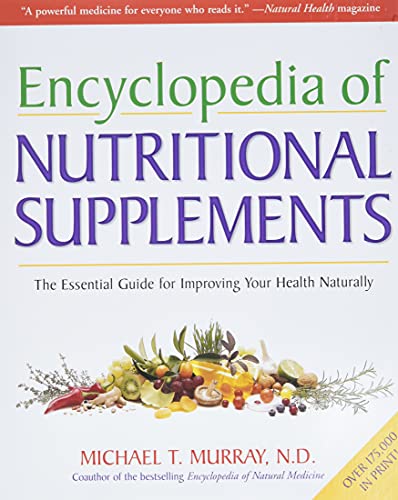
Encyclopedia of Nutritional Supplements: The Essential Guide for Improving Your Health Naturally: Michael T. Murray
Each chapter profiles major vitamins, ... <strong>empowers readers to make educated decisions about which supplements to take for health conditions including cancer, arthritis, depression, high choles

NOW Foods Biotin 5000 mcg Capsules, 120 Count
NOW Foods by Now Biotin Energy Production 5000 mcg- 120 Vcaps · NOW Foods Extra Strength Biotin 10,000mcg / 10 mg - 200 Count - Hair, Skin, Nail - Supplement for Men and Women - B7 Vitamin - Vegetaria
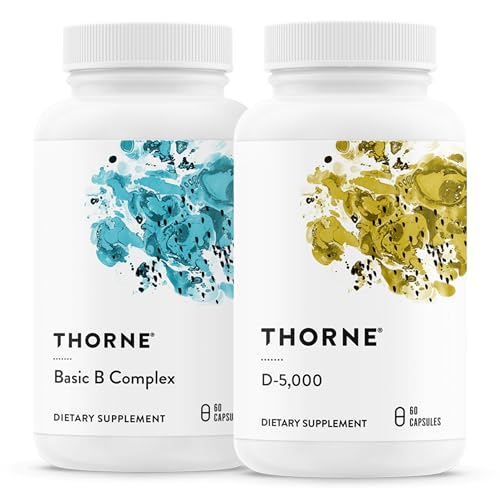
THORNE - Basic B-Complex - Tissue-Ready Vitamin B Complex Supplement with Choline - Supports Cellular Energy Production, Brain Health & Red Blood Cell Formation* - Gluten-Free - 60 Servings
One Capsule Contains: Thiamin (as ... from L-5-Methyltetrahydrofolic Acid, Glucosamine Salt) 667 mcg DFE, <strong>Vitamin B12 (as Methylcobalamin) 400 mcg</strong>, Biotin 400 mcg, Pantothenic Acid (a
Evidence & Sources
Promising research with growing clinical support from multiple studies
- NIH Office of Dietary Supplements: Biotin Fact Sheet for Health Professionals
- National Center for Biotechnology Information (StatPearls): Biotin Deficiency
- U.S. Food and Drug Administration (FDA): Biotin Interference with Troponin Lab Tests
- Journal of Clinical and Aesthetic Dermatology
- Skin Appendage Disorders
- National Center for Complementary and Integrative Health (NCCIH)
- American Journal of Clinical Nutrition
This content is for informational purposes only and does not constitute medical advice. Always consult a qualified healthcare provider before starting, stopping, or changing any supplement or medication regimen.