

Vitamin B6
Also known as: Pyridoxine, Vit B6
Overview
Vitamin B6 is a water-soluble nutrient that refers to a group of related compounds, including pyridoxine, pyridoxal, and pyridoxamine. In the body, its active coenzyme form—pyridoxal 5'-phosphate (PLP)—plays a central role in amino acid metabolism, neurotransmitter synthesis, hemoglobin formation, immune function, and cognitive development. Because it is involved in the production of serotonin, dopamine, gamma-aminobutyric acid (GABA), and other signaling molecules, vitamin B6 is frequently discussed in relation to mood, nervous system function, and brain health.
Vitamin B6 is obtained primarily through food, with common dietary sources including poultry, fish, potatoes, bananas, legumes, and fortified cereals. True deficiency is considered uncommon in the general population, but it may occur in the setting of poor diet, alcohol use disorder, malabsorption, kidney disease, certain medications, or other chronic health conditions. Low B6 status has been associated with symptoms such as irritability, fatigue, glossitis, peripheral neuropathy, dermatitis, and, in more severe cases, seizures or anemia.
Interest in vitamin B6 as a supplement extends beyond deficiency prevention. Research has explored its role in premenstrual symptoms, nausea in pregnancy, homocysteine metabolism, cognitive function, and mood-related outcomes. However, the strength of evidence varies substantially by use case. In some areas, studies suggest a supportive role; in others, findings are mixed or limited. Importantly, more is not necessarily better: although vitamin B6 is essential, excess supplemental intake over time can be harmful, particularly because high doses have been linked to sensory neuropathy.
From a public health perspective, vitamin B6 occupies an important middle ground between essential nutrition and targeted supplementation. Conventional medicine typically views it through the lens of nutrient adequacy, biochemical function, deficiency states, and safety thresholds. Traditional and integrative systems may place greater emphasis on its role in supporting vitality, nervous system balance, and resilience during periods of stress or hormonal fluctuation. In all frameworks, individualized assessment by a qualified healthcare professional remains important, especially when supplements are being considered alongside medications or in the context of persistent symptoms.
Medical Perspectives
Two Ways of Seeing Health

Western
scientific · clinical
Western medicine applies science, technology, and clinical experience to treat symptoms through testing, diagnosis, and targeted intervention.

Eastern
traditional · alternative
Eastern medicine focuses on treating the body naturally by applying traditional knowledge practiced for thousands of years, emphasizing balance and whole-person wellness.
Gold Bamboo presents both perspectives side-by-side so you can make informed decisions. We don't advocate for one over the other — your health choices are yours.
Western Medicine Perspective
Western Medicine Perspective
In conventional medicine, vitamin B6 is understood primarily as an essential micronutrient required for hundreds of enzyme reactions. Its best-established roles include participation in protein and amino acid metabolism, synthesis of neurotransmitters, support of immune function, and regulation of homocysteine metabolism alongside folate and vitamin B12. Laboratory assessment may involve plasma PLP levels, although interpretation is influenced by inflammation, kidney function, and overall nutritional status.
Clinical interest is strongest in a few areas. First, vitamin B6 is well recognized in the prevention and correction of deficiency states, particularly in at-risk populations. Second, it has been studied for nausea and vomiting in pregnancy, often in combination with doxylamine, where evidence and guideline recognition are relatively strong. Third, research has examined possible benefits for premenstrual symptoms, some neuropathies, and mood-related concerns, but results are mixed and often limited by study quality, dosing variability, and population differences. For depression, anxiety, and cognition, studies suggest biologic plausibility because of B6's role in neurotransmitter pathways, yet supplementation appears most relevant when low status or inadequate intake is present rather than as a universal intervention.
Safety is a major part of the western perspective. Vitamin B6 from food is generally considered safe, but high-dose supplements taken over long periods have been associated with nerve toxicity, especially sensory neuropathy. For this reason, conventional guidance emphasizes attention to total intake from multivitamins, energy products, and stand-alone supplements. Medical evaluation is particularly important when symptoms such as numbness, tingling, weakness, or unexplained mood changes are present, as these may have many causes besides B6 status.
Eastern & Traditional Perspective
Eastern / Traditional Medicine Perspective
Traditional medical systems do not describe vitamin B6 in biochemical terms, but many of its commonly discussed uses overlap with longstanding concepts related to nervous system balance, digestion, blood nourishment, and emotional regulation. In Traditional Chinese Medicine (TCM), symptoms that modern consumers might associate with low mood, irritability, fatigue, menstrual discomfort, or nausea are typically interpreted through pattern-based frameworks such as Liver qi stagnation, Spleen deficiency, Blood deficiency, or disharmony of the Stomach. A nutrient like B6 may therefore be viewed less as a stand-alone answer and more as one possible support within a broader effort to restore systemic balance.
In Ayurveda, mood fluctuations, digestive disturbance, fatigue, and nervous system sensitivity may be understood through imbalances in Vata, Pitta, or agni (digestive fire), depending on the presentation. Foods naturally rich in B vitamins may be valued when rebuilding strength, supporting tissue nourishment, or recovering from depletion. Rather than isolating one nutrient, traditional frameworks tend to emphasize diet quality, digestion, sleep, stress regulation, and constitution-specific patterns.
Naturopathic and integrative practitioners often bridge eastern and western models by recognizing vitamin B6 as both a measurable nutrient and a potential contributor to broader functional patterns involving methylation, neurotransmitter production, hormone metabolism, and stress resilience. Within these traditions, the use of B6-containing formulas has often been discussed for menstrual symptoms, mood balance, and nervous system support. Even so, responsible integrative care generally acknowledges that traditional use does not replace safety considerations, laboratory context, or evaluation for underlying causes of symptoms.
Supplements & Products
Recommended Products
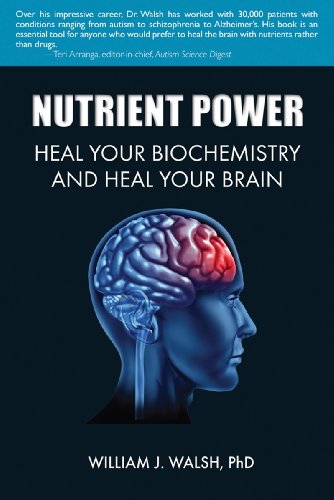
Nutrient Power: Heal Your Biochemistry and Heal Your Brain: Walsh, William J.
Nutrient Power <strong>describes nutrient therapies tailored to specific types</strong>. Other book highlights include the Walsh Theory of Schizophrenia, a new way to look at autism, a promising new t
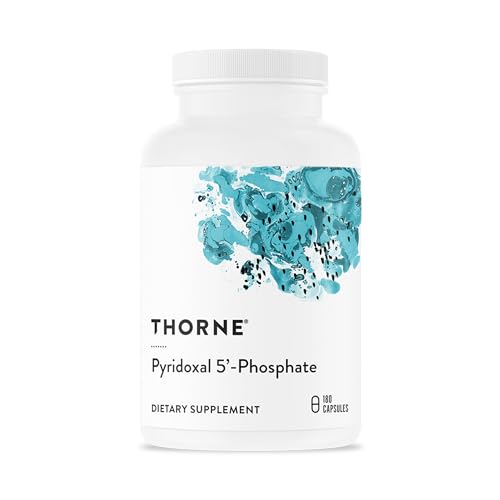
THORNE - Pyridoxal 5'-Phosphate - Bioactive Form of Vitamin B6 for Energy Production* - Vitamin B6 (Pyridoxine) Supplement - Third-Party Certified - Gluten, Dairy & Soy-Free - 180 Capsules
Pure Encapsulations P5P 50 - Active Vitamin B6 - Supports Energy Metabolism & Brain Health* - Gluten Free & Non-GMO - 60 Capsules ... THORNE - B-Complex #6 - Vitamin B Complex with Active Form
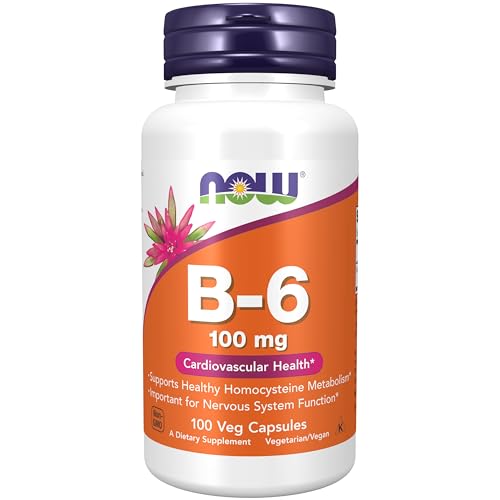
NOW Foods Supplements, Vitamin B-6 (Pyridoxine HCl) 100 mg, Cardiovascular Health, 250 Veg Capsules
NOW Foods Supplements, Vitamin B-100, Energy Production*, Nervous System Health*, 100 Veg Capsules · Horbaach Vitamin B6 100 mg Tablets | 120 Count | Pyridoxine HCl | Vegetarian, Non-GMO & Gluten
Evidence & Sources
Promising research with growing clinical support from multiple studies
- NIH Office of Dietary Supplements: Vitamin B6 Fact Sheet for Health Professionals
- National Center for Complementary and Integrative Health (NCCIH)
- American Journal of Clinical Nutrition
- Nutrients
- Cochrane Database of Systematic Reviews
- Obstetrics & Gynecology
- World Health Organization (WHO)
- European Food Safety Authority (EFSA)
This content is for informational purposes only and does not constitute medical advice. Always consult a qualified healthcare provider before starting, stopping, or changing any supplement or medication regimen.