

Vitamin B5
Also known as: Pantothenic Acid, Vit B5
Overview
Vitamin B5, also known as pantothenic acid, is a water-soluble B vitamin required for the synthesis of coenzyme A (CoA) and acyl carrier protein, two compounds central to energy metabolism and the handling of fats, carbohydrates, and proteins. Because CoA is involved in hundreds of enzymatic reactions, vitamin B5 is considered essential for basic cellular function, steroid hormone synthesis, neurotransmitter production, and maintenance of healthy skin and mucous membranes. The name pantothenic comes from the Greek word meaning “from everywhere,” reflecting the fact that this vitamin is widely distributed in foods.
True pantothenic acid deficiency is considered rare in the general population because it is present in many dietary sources, including meat, eggs, legumes, whole grains, mushrooms, and avocados. When deficiency does occur, it is more likely in the context of severe malnutrition or multiple nutrient deficiencies rather than in isolation. Reported symptoms of low intake have included fatigue, irritability, numbness or burning sensations in the feet, sleep disturbance, and gastrointestinal complaints, though these findings are often nonspecific.
In the supplement world, vitamin B5 is frequently discussed in relation to energy support, adrenal function, stress resilience, and skin health, especially acne. Another form related to pantothenic acid, dexpanthenol (panthenol), is widely used in topical products and medical formulations for its moisturizing and barrier-supportive properties. Oral vitamin B5 has also been explored for dermatologic applications, but the strength of evidence varies considerably depending on the use case.
Overall, vitamin B5 occupies an important place in human nutrition because it is biologically indispensable, yet many of the broader wellness claims surrounding supplementation extend beyond what has been firmly established in clinical research. For that reason, the topic is best understood by separating its essential nutritional role from its investigational or traditional uses.
Medical Perspectives
Two Ways of Seeing Health

Western
scientific · clinical
Western medicine applies science, technology, and clinical experience to treat symptoms through testing, diagnosis, and targeted intervention.

Eastern
traditional · alternative
Eastern medicine focuses on treating the body naturally by applying traditional knowledge practiced for thousands of years, emphasizing balance and whole-person wellness.
Gold Bamboo presents both perspectives side-by-side so you can make informed decisions. We don't advocate for one over the other — your health choices are yours.
Western Medicine Perspective
Western Medicine Perspective
From a conventional medicine standpoint, vitamin B5 is recognized primarily as an essential nutrient rather than a high-priority therapeutic supplement for most people. Its most clearly established role is biochemical: pantothenic acid is required to make coenzyme A, which is necessary for fatty acid oxidation, cholesterol synthesis, acetylcholine production, and numerous metabolic pathways. Major public health and clinical references, including the NIH Office of Dietary Supplements, describe deficiency as uncommon and note that most individuals obtain adequate amounts through a varied diet.
Western medicine generally focuses on vitamin B5 in three contexts: nutritional adequacy, rare deficiency states, and specific topical or supplemental applications under study. Topical dexpanthenol/panthenol has a stronger clinical footprint than oral pantothenic acid in some areas, with studies indicating benefits for skin hydration, epidermal barrier repair, and wound-healing support. In dermatology, oral pantothenic acid has been explored for acne, but the available literature is limited, often involving small studies, nonstandard dosing, or formulations that combine multiple ingredients, which makes conclusions less certain.
Vitamin B5 is also sometimes marketed for stress or adrenal support, based partly on its role in steroid hormone synthesis. However, conventional evidence does not currently support broad claims that supplementation meaningfully improves stress tolerance or “adrenal fatigue,” a term not generally recognized as a formal medical diagnosis in mainstream medicine. Research suggests that while adequate B5 is necessary for normal physiology, this is different from showing added benefit from supplementation in otherwise well-nourished individuals.
Safety is generally considered favorable at usual intake levels because excess pantothenic acid is excreted in urine, though higher supplemental amounts may cause gastrointestinal discomfort in some cases. As with other supplements, clinicians typically interpret vitamin B5 use in the broader context of diet, medications, underlying health conditions, and the reason it is being considered.
Eastern & Traditional Perspective
Eastern and Traditional Medicine Perspective
In Traditional Chinese Medicine (TCM) and Ayurveda, nutrients such as vitamin B5 are not historically described as isolated biochemical substances in the way they are in modern nutrition science. Instead, traditional systems evaluate patterns of imbalance involving digestion, energy, tissue nourishment, stress response, and skin function. A modern integrative interpretation may view pantothenic acid as relevant where there is concern about depleted vitality, impaired resilience, or poor skin integrity, but these frameworks do not map directly onto classical diagnostic categories.
From a TCM-informed perspective, concerns like fatigue, digestive weakness, or inflammatory skin presentations might traditionally be understood through patterns involving the Spleen and Stomach, Liver, Lung, or Heat and Dampness, rather than through a single vitamin deficiency. In this view, food quality, digestive transformation, and overall constitutional balance are often emphasized. Vitamin-rich foods could be seen as supportive to recovery and nourishment, particularly when weakness follows illness, stress, or poor dietary intake.
In Ayurveda, discussions more often center on agni (digestive fire), tissue nourishment, and balance among the doshas. Skin disturbances and low stamina may be interpreted through broader imbalances in digestion, metabolism, and tissue formation. Within an integrative model, pantothenic acid-containing foods may be regarded as part of a nourishment-focused approach, especially where depletion or poor diet quality is suspected. Naturopathic traditions similarly tend to place vitamin B5 within a larger framework of whole-person support, including nutrition, stress physiology, and skin health.
The traditional evidence base for vitamin B5 specifically is therefore indirect: classical systems support the importance of nourishment and restoration, but they do not provide historical proof for isolated pantothenic acid supplementation as a stand-alone intervention. Any integrative use is best understood as a modern synthesis of nutritional science with traditional pattern-based thinking.
Supplements & Products
Recommended Products
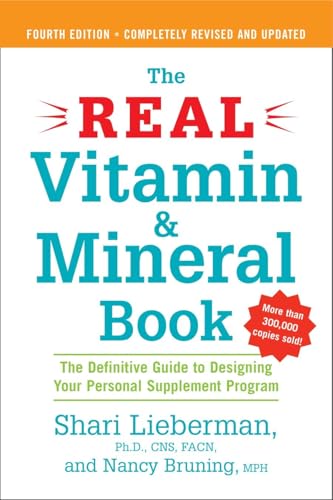
The Real Vitamin and Mineral Book, 4th edition: The Definitive Guide to Designing Your Personal Supplement Program: Lieberman, Shari, Bruning, Nancy Pauling
The Real Vitamin and Mineral Book, 4th edition: <strong>The Definitive Guide to Designing Your Personal Supplement Program</strong> [Lieberman, Shari, Bruning, Nancy Pauling] on Amazon.com. *FREE* shi
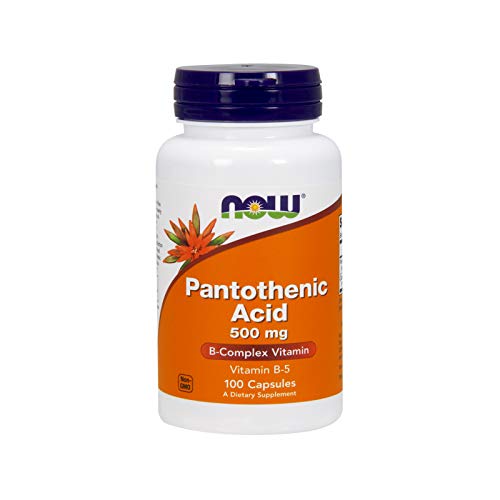
Now Foods Pantothenic Acid 500mg, 100 Capsules (Pack of 1)
Buy Now Foods Pantothenic Acid 500mg, 100 Capsules (Pack of 1) on Amazon.com ✓ FREE SHIPPING on qualified orders
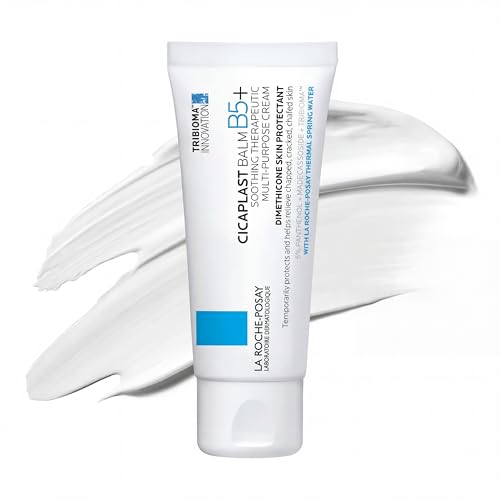
La Roche-Posay Cicaplast Balm B5, Healing Ointment and Soothing Therapeutic Multi Purpose Cream for Dry & Irritated Skin, Body and Hand Balm, Baby Safe, Fragrance Free
La Roche-Posay Cicaplast B5 Spray With Vitamin B5 Panthenol & Madecassoside, Hydrating Face Mist For Skin Barrier Repair, Soothing Touch-Free Face & Body Spray, Sensitive Skin & Dermatolog
Evidence & Sources
Promising research with growing clinical support from multiple studies
- NIH Office of Dietary Supplements, Pantothenic Acid Fact Sheet for Health Professionals
- National Center for Biotechnology Information (StatPearls), Vitamin B5 (Pantothenic Acid)
- Nutrients
- Journal of Dermatological Treatment
- American Journal of Clinical Dermatology
- International Journal of Cosmetic Science
- National Center for Complementary and Integrative Health (NCCIH)
- World Health Organization
This content is for informational purposes only and does not constitute medical advice. Always consult a qualified healthcare provider before starting, stopping, or changing any supplement or medication regimen.