

Vitamin B2
Also known as: Riboflavin, Vit B2
Overview
Vitamin B2, also known as riboflavin, is a water-soluble vitamin that plays a central role in human metabolism. It is required for the formation of the coenzymes flavin mononucleotide (FMN) and flavin adenine dinucleotide (FAD), which help drive numerous enzymatic reactions involved in energy production, cellular growth, antioxidant activity, and the metabolism of fats, drugs, and steroids. Because it is not stored in large amounts in the body, riboflavin must be obtained regularly through diet or supplements.
Riboflavin is best known in nutrition science for supporting mitochondrial energy generation and contributing to red blood cell production, normal growth, and maintenance of skin and mucous membranes. It also helps activate other vitamins, including vitamin B6 and folate, and works alongside iron in pathways related to blood health. Food sources include dairy products, eggs, lean meats, legumes, almonds, mushrooms, and fortified grains. Deficiency is uncommon in many high-income countries but can occur with poor dietary intake, malabsorption, chronic alcohol use, certain endocrine disorders, or increased physiological demand.
Clinical and consumer interest in vitamin B2 extends beyond basic nutrition. It is frequently sought for its potential role in migraine prevention, based on the theory that some migraine pathways involve impaired mitochondrial energy metabolism. Research suggests riboflavin may help reduce migraine frequency in some individuals, although study results are not uniform across all populations and dosing strategies. Outside migraine research, riboflavin status has also been studied in relation to anemia, eye health, oxidative stress, and homocysteine metabolism, particularly in people with low intake or increased need.
From a public health perspective, vitamin B2 occupies an important middle ground between essential nutrient and targeted therapeutic supplement. Conventional medicine recognizes clear benefits in preventing and correcting deficiency, while complementary and integrative traditions often view riboflavin-containing foods and supplements as part of broader strategies for vitality, nervous system balance, and recovery from depletion. As with any supplement, interpretation depends on context, including nutritional status, underlying conditions, medication use, and the reason it is being considered. Healthcare professionals are typically consulted when riboflavin is being used in higher doses or as part of a broader care plan.
Medical Perspectives
Two Ways of Seeing Health

Western
scientific · clinical
Western medicine applies science, technology, and clinical experience to treat symptoms through testing, diagnosis, and targeted intervention.

Eastern
traditional · alternative
Eastern medicine focuses on treating the body naturally by applying traditional knowledge practiced for thousands of years, emphasizing balance and whole-person wellness.
Gold Bamboo presents both perspectives side-by-side so you can make informed decisions. We don't advocate for one over the other — your health choices are yours.
Western Medicine Perspective
Western Medicine Perspective
In conventional medicine, vitamin B2 is understood primarily as an essential micronutrient required for normal enzymatic function. Riboflavin deficiency, sometimes referred to as ariboflavinosis, may present with sore throat, cracks at the corners of the mouth, inflammation of the tongue, skin changes, fatigue, and abnormalities in other nutrient pathways. Assessment of riboflavin status may involve dietary review, clinical signs, and in research settings, laboratory measures such as erythrocyte glutathione reductase activity coefficient. Standard medical nutrition emphasizes adequate intake through food and fortification, with supplementation used when dietary intake is insufficient or deficiency risk is elevated.
A major area of modern clinical interest is migraine prevention. Several studies and clinical discussions have examined high-dose riboflavin as a preventive option, particularly because it is generally inexpensive and well tolerated. Research indicates that riboflavin may reduce the frequency or duration of migraine attacks in some adults, possibly by supporting mitochondrial function in the brain. However, responses vary, and the evidence base is stronger for prevention than for acute symptom relief. Some neurology and headache guidelines include riboflavin among complementary options with supportive but not definitive evidence.
Western medicine also recognizes riboflavin’s interaction with iron metabolism, red blood cell formation, and one-carbon metabolism. Low riboflavin status may contribute indirectly to fatigue or anemia-related concerns in susceptible groups, especially where multiple nutrient deficiencies coexist. There is also interest in genetic subgroups, such as individuals with certain MTHFR variants, in whom riboflavin may influence homocysteine metabolism and vascular markers, though this remains a more specialized area of study. Overall, conventional care views vitamin B2 as clearly important for nutritional adequacy and plausibly beneficial in select clinical contexts, while emphasizing that supplement use should be interpreted in light of the whole medical picture.
Eastern & Traditional Perspective
Eastern and Traditional Medicine Perspective
In Traditional Chinese Medicine (TCM), vitamins are not classified in the same way they are in biochemistry, but the functions associated with riboflavin—energy support, tissue nourishment, and recovery from depletion—would often be understood through broader patterns such as Qi deficiency, Blood deficiency, or impaired transformation of food into usable energy. Symptoms that overlap with poor nutritional status, including fatigue, weakness, pallor, dry or inflamed tissues, and low resilience, may be interpreted as signs of deficient nourishment or imbalance in the Spleen and Stomach systems. In this framework, riboflavin-containing foods may be viewed as part of a strategy to restore balance and support the body’s capacity to generate vitality.
From an Ayurvedic perspective, a nutrient like vitamin B2 may be considered less as an isolated compound and more as one component of foods and formulations that help sustain agni (digestive/metabolic fire), tissue formation, and overall vitality. Fatigue, poor appetite, headaches, and tissue dryness might be interpreted through the lens of doshic imbalance, impaired digestion, or inadequate nourishment of the dhatus. Riboflavin-rich foods could be incorporated into broader dietary approaches intended to strengthen assimilation and support healthy blood and energy.
In naturopathic and integrative traditions, riboflavin is commonly discussed as a foundational nutrient that supports mitochondrial function, nervous system health, and resilience under stress. It is often considered within a systems-based approach, where headaches or low energy are explored in relation to sleep, stress, diet quality, digestion, and other nutrient insufficiencies rather than in isolation. Traditional and integrative frameworks generally place riboflavin within a broader pattern-oriented model of health, while contemporary practitioners may also draw on biochemical evidence when discussing its use. These perspectives tend to complement rather than replace conventional understanding, and qualified practitioners typically individualize interpretation based on the person’s broader presentation.
Supplements & Products
Recommended Products

The Migraine Brain: Your Breakthrough Guide to Fewer Headaches, Better Health: Bernstein M.D., Carolyn, McArdle, Elaine
Now, with The Migraine Brain, <strong>the most comprehensive, up-to-the-minute book on migraines ever written</strong>, you will be able to do the same—reduce the frequency and intensity of your migra

Nutricost Vitamin B2 (Riboflavin) 400mg, 120 Capsules - Gluten Free, Non-GMO
Vitamin B2, Riboflavin 400mg | 240 Softgels with Coconut Oil | Highly Bioavailable | Extra Strength Vitamin B Energy Supplements | Essential B Vitamins for Women & Men | Non-GMO, Gluten Free
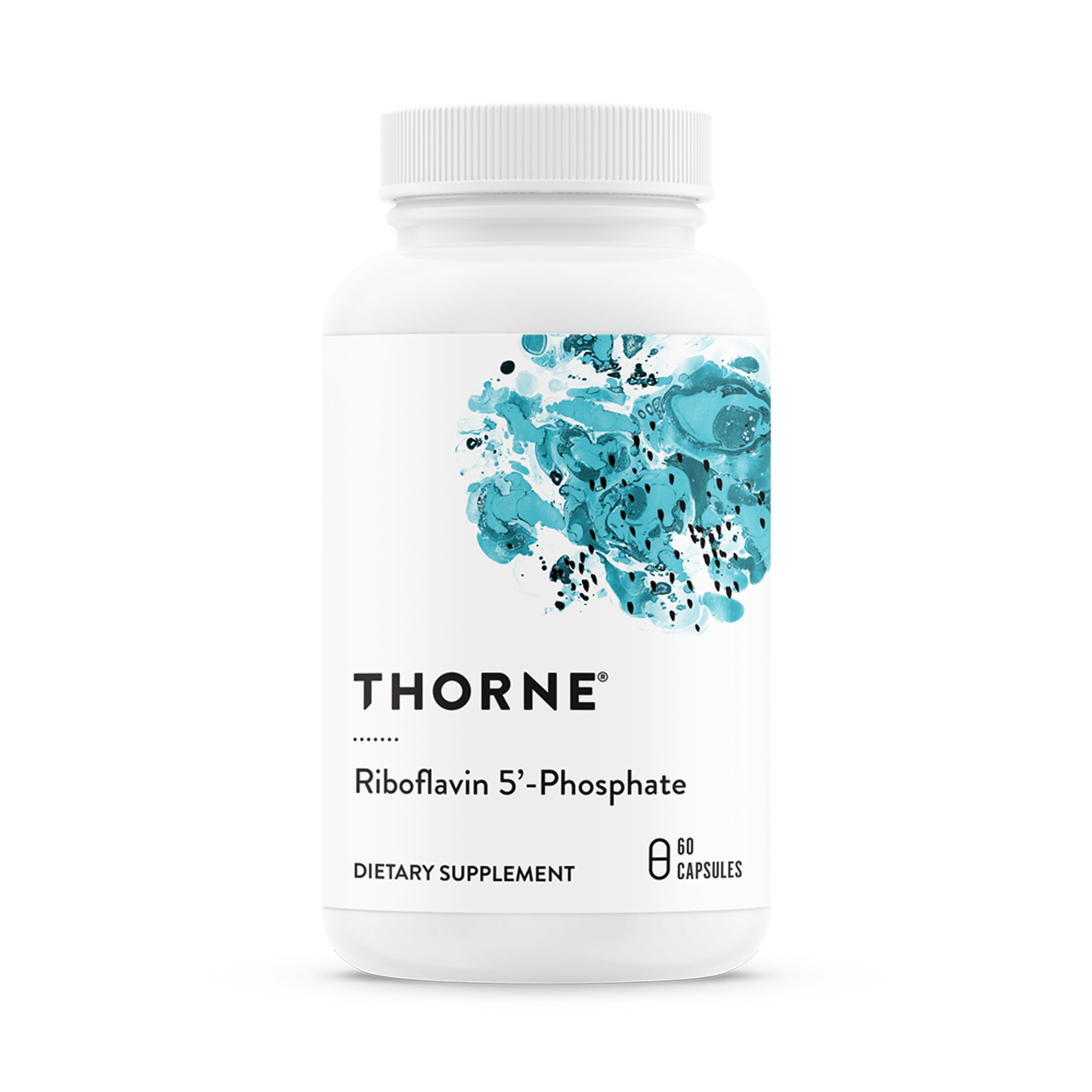
THORNE - Riboflavin 5'-Phosphate - Bioactive, Tissue Ready Form of Vitamin B2 for Methylation Support* - Vitamin B2 Supplement - Third-Party Certified - Gluten, Dairy & Soy-Free - 60 Capsules
Interactions /Contraindications: There are no known adverse interactions or contraindications at the publication date. ... One Capsule Contains: Riboflavin (as Riboflavin 5'-Phosphate Sodium) 36.
Evidence & Sources
Promising research with growing clinical support from multiple studies
- NIH Office of Dietary Supplements
- National Center for Complementary and Integrative Health (NCCIH)
- American Headache Society
- Cephalalgia
- The Journal of Headache and Pain
- American Journal of Clinical Nutrition
- World Health Organization
- StatPearls
This content is for informational purposes only and does not constitute medical advice. Always consult a qualified healthcare provider before starting, stopping, or changing any supplement or medication regimen.