

Vitamin B1
Also known as: Thiamine, Vit B1
Vitamin B1 (Thiamine): Overview
Vitamin B1, also known as thiamine, is a water-soluble vitamin that plays a central role in energy metabolism, nerve signaling, and normal cellular function. It acts as a cofactor for several enzymes involved in converting carbohydrates into usable energy, which makes it especially important for tissues with high metabolic demands such as the brain, heart, and nervous system. Because the body stores only limited amounts of thiamine, consistent dietary intake is important. Food sources commonly include whole grains, legumes, pork, nuts, and fortified cereals.
Thiamine deficiency is best known for its association with beriberi and Wernicke-Korsakoff syndrome, but milder insufficiency may also affect energy levels, mood, concentration, and nerve function. Deficiency risk is increased in certain contexts, including chronic alcohol use, malabsorption, restrictive diets, prolonged vomiting, certain gastrointestinal disorders, and some chronic illnesses. In higher-income countries, severe deficiency is less common than in the past, but suboptimal status may still occur in vulnerable populations, including older adults and people with complex medical conditions.
Interest in vitamin B1 as a supplement extends beyond deficiency prevention. It is often discussed in relation to mental clarity, fatigue, cognitive function, neuropathy, and cardiovascular health, largely because of its role in neuronal energy use and nerve conduction. Research strongly supports the importance of correcting deficiency, while investigation into broader uses of thiamine or its derivatives for non-deficient individuals remains more mixed. Some studies have explored benfotiamine and other thiamine-related compounds in metabolic and neurologic settings, but findings vary by condition and study design.
From an integrative health perspective, vitamin B1 occupies an important middle ground between essential nutrient and therapeutic tool. Conventional medicine views it primarily as a required micronutrient with clear deficiency syndromes, while traditional and functional systems may frame it more broadly within patterns of vitality, digestion, mental stamina, and nervous system balance. As with any supplement topic, interpretation benefits from context, including dietary patterns, underlying health conditions, medication use, and professional evaluation when deficiency or neurologic symptoms are suspected.
Medical Perspectives
Two Ways of Seeing Health

Western
scientific · clinical
Western medicine applies science, technology, and clinical experience to treat symptoms through testing, diagnosis, and targeted intervention.

Eastern
traditional · alternative
Eastern medicine focuses on treating the body naturally by applying traditional knowledge practiced for thousands of years, emphasizing balance and whole-person wellness.
Gold Bamboo presents both perspectives side-by-side so you can make informed decisions. We don't advocate for one over the other — your health choices are yours.
Western Medicine Perspective
Western Medicine Perspective
In conventional medicine, thiamine is recognized as an essential vitamin required for carbohydrate metabolism and nervous system function. Biochemically, it is converted into thiamine pyrophosphate (TPP), a coenzyme involved in pathways such as the pyruvate dehydrogenase complex, alpha-ketoglutarate dehydrogenase, and transketolase reactions. These pathways are fundamental to ATP production and cellular energy generation. When thiamine is lacking, high-energy tissues—particularly the central nervous system and cardiovascular system—may be affected first.
Clinically, the best-established use of vitamin B1 is in the prevention and treatment of deficiency. Severe deficiency may present as dry beriberi (peripheral neuropathy and weakness), wet beriberi (cardiovascular manifestations such as edema and heart failure), or Wernicke encephalopathy/Korsakoff syndrome, especially in the setting of alcohol use disorder or malnutrition. Conventional care places strong emphasis on identifying at-risk groups and restoring adequate thiamine status promptly. Research also suggests that lower thiamine status may occur in some people with diabetes, heart failure, or after bariatric surgery, though the clinical implications can vary.
Beyond overt deficiency, studies have examined thiamine and thiamine derivatives for possible roles in diabetic neuropathy, glucose metabolism, fatigue, and cognitive support. Some findings are promising, particularly for benfotiamine in diabetic complications, but evidence is not yet uniform across outcomes, and larger high-quality trials are still needed for many applications. Mainstream medicine therefore considers vitamin B1 well established for deficiency states, while many supplemental uses outside those settings remain under active study rather than standard care.
In safety terms, thiamine is generally considered to have a favorable safety profile when used appropriately, partly because it is water-soluble. Even so, conventional guidance emphasizes that symptoms such as confusion, neuropathy, weakness, severe fatigue, or unexplained cardiovascular symptoms warrant medical assessment, since they may reflect deficiency or other serious causes. Healthcare professionals may also evaluate potential interactions with nutrition status, alcohol intake, digestive disorders, and overall medication or supplement use.
Eastern & Traditional Perspective
Eastern and Traditional Medicine Perspective
Traditional systems such as Traditional Chinese Medicine (TCM) and Ayurveda do not historically describe vitamin B1 in the biochemical language of modern nutrition, but they do recognize patterns that overlap with the functions now associated with thiamine—particularly mental clarity, digestive transformation, nerve vitality, and physical energy. In these frameworks, symptoms that modern medicine might connect with nutrient insufficiency could be interpreted through broader patterns of imbalance rather than as an isolated vitamin issue.
In TCM, complaints involving fatigue, poor concentration, weakness, numbness, or digestive sluggishness may be understood in relation to patterns such as Spleen Qi deficiency, Qi and Blood deficiency, or impaired nourishment of the channels and Shen. From this viewpoint, nutritional status matters because food is seen as a foundation for the body’s production of Qi and Blood. Rather than focusing on thiamine alone, traditional approaches often consider the person’s overall constitution, digestion, stress load, and the relationship between diet and functional vitality.
In Ayurveda, symptoms linked with low stamina, poor focus, irritability, neuropathic discomfort, or depleted resilience may be interpreted through disturbances in Agni (digestive/metabolic fire), Vata imbalance, or tissue-level depletion. Foods and herbs are traditionally selected to support assimilation, steadiness of the nervous system, and restoration of vitality. Naturopathic and functional traditions often bridge these older frameworks with modern nutrition by viewing B vitamins—including thiamine—as part of the body’s capacity for cellular energy production, stress adaptation, and neurologic balance.
From an integrative perspective, eastern and traditional systems generally place vitamin B1 within a broader terrain-based model: digestion, absorption, lifestyle, constitution, and mental-emotional strain all influence how nourishment is utilized. This differs from the reductionist model of identifying a single nutrient deficit, but the approaches can be complementary. Many integrative practitioners emphasize that persistent neurologic, cognitive, or fatigue-related symptoms call for qualified evaluation so that nutritional, metabolic, and systemic contributors can all be considered.
Supplements & Products
Recommended Products

Thiamine Deficiency Disease, Dysautonomia, and High Calorie Malnutrition
Thiamine deficiency derails mitochondrial oxidative metabolism and gives rise to the classic disease of beriberi that, in its early stages, can be considered the prototype for a set of disorders that

NOW Foods Supplements, Vitamin B-1 100 mg, Energy Production*, Nervous System Health*, 100 Tablets
Supplement FactsServing Size:1 ... B-1) 100 mg 8333% Other Ingredients: <strong>Microcrystalline Cellulose, Stearic Acid (vegetable source) and Magnesium Stearate (vegetable source).</strong>...
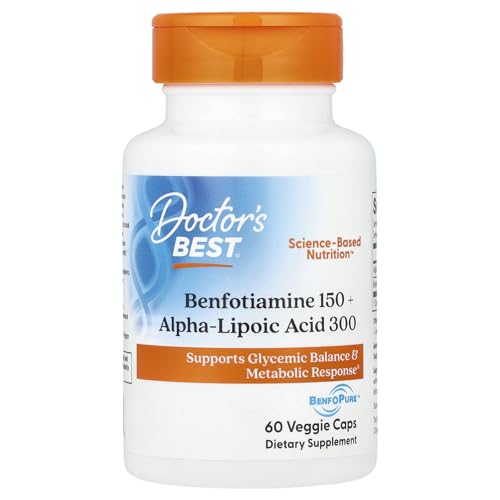
Doctor's Best - Benfotiamine/Alpha Lipoic Acid 150 mg/300 mg - 60 Vegetarian Capsules
Doctor's Best Benfotiamine + Alpha Lipoic Acid (ALA) Nutritional Supplement - Support for Glycemic Balance & Metabolic Response, Benfotiamine 150 mg & Alpha-Lipoic Acid 300 mg Capsules -
Evidence & Sources
Promising research with growing clinical support from multiple studies
- NIH Office of Dietary Supplements: Thiamin Fact Sheet for Health Professionals
- National Center for Biotechnology Information (StatPearls): Vitamin B1 (Thiamine) Deficiency
- World Health Organization publications on thiamine deficiency and beriberi
- Annals of the New York Academy of Sciences
- The American Journal of Clinical Nutrition
- Nutrients
- Diabetes Care
- New England Journal of Medicine
This content is for informational purposes only and does not constitute medical advice. Always consult a qualified healthcare provider before starting, stopping, or changing any supplement or medication regimen.