

Vitamin A
Also known as: Retinol, Beta Carotene, Vit A
Overview
Vitamin A is a fat-soluble nutrient that plays a foundational role in vision, immune regulation, epithelial tissue integrity, reproduction, and normal growth and development. It is not a single compound but a group of related substances that includes preformed vitamin A (retinol and retinyl esters, found mainly in animal-derived foods and many supplements) and provitamin A carotenoids such as beta-carotene, which the body can convert into active vitamin A. Because of its well-known connection to the retina, night vision, and eye surface health, vitamin A is frequently discussed in relation to eye health, but its biological importance extends far beyond vision.
From a public health perspective, vitamin A status exists on a spectrum. Deficiency remains a major concern in some parts of the world, especially among children and pregnant individuals in low-resource settings, where it is associated with night blindness, impaired immunity, and increased risk of severe infection. At the same time, in higher-income countries, severe deficiency is less common, while questions more often center on dietary adequacy, supplementation, skin health, immune support, and safety, particularly because excessive intake of preformed vitamin A can lead to toxicity.
Vitamin A is obtained through foods such as liver, dairy products, eggs, and fortified foods, as well as orange, yellow, and dark green produce that contains carotenoids, including sweet potatoes, carrots, spinach, kale, and pumpkin. Absorption depends partly on dietary fat and normal digestive function. Conditions that impair fat absorption, certain restrictive diets, liver disorders, and some gastrointestinal diseases may affect vitamin A status. This makes the topic clinically relevant not only in nutrition but also in gastroenterology, ophthalmology, dermatology, and global health.
Interest in vitamin A also reflects the distinction between essential nutrient physiology and supplement marketing claims. Research strongly supports its role in preventing and correcting deficiency states, and vitamin A derivatives are central to eye and skin biology. However, the health effects of supplementation in otherwise well-nourished people are more nuanced, and studies suggest that benefits depend on baseline nutritional status, dose, form, and population studied. For this reason, discussions of vitamin A typically include both its established importance and the need for caution around high-dose use.
Medical Perspectives
Two Ways of Seeing Health

Western
scientific · clinical
Western medicine applies science, technology, and clinical experience to treat symptoms through testing, diagnosis, and targeted intervention.

Eastern
traditional · alternative
Eastern medicine focuses on treating the body naturally by applying traditional knowledge practiced for thousands of years, emphasizing balance and whole-person wellness.
Gold Bamboo presents both perspectives side-by-side so you can make informed decisions. We don't advocate for one over the other — your health choices are yours.
Western Medicine Perspective
Western / Conventional Medicine Perspective
In conventional medicine, vitamin A is understood as an essential micronutrient with clearly defined biochemical functions. In the visual system, retinaldehyde is a component of rhodopsin, a light-sensitive pigment in the retina that is required for low-light vision. In the immune system and epithelial tissues, retinoids help regulate cell differentiation, barrier function, and signaling pathways that influence mucosal health and immune responses. Deficiency can therefore affect the eyes, skin, respiratory tract, gastrointestinal lining, and resistance to infection.
Clinically, severe vitamin A deficiency is classically associated with night blindness, xerophthalmia, Bitot spots, corneal damage, and increased susceptibility to infection. Public health programs in some regions have used vitamin A supplementation strategically because studies indicate it can reduce the consequences of deficiency in vulnerable pediatric populations. In individual care, conventional assessment may involve dietary review, clinical signs, medical history, and sometimes laboratory testing, though serum retinol has limitations because it may not fully reflect liver stores except in more advanced deficiency or inflammatory states.
Conventional medicine also emphasizes safety and dose-dependent risk. Excess intake of preformed vitamin A can cause acute or chronic toxicity, with manifestations that may include headache, liver abnormalities, bone effects, skin changes, and in severe cases intracranial pressure changes. High intake during pregnancy is a particular concern because certain retinoids are associated with teratogenic risk. In contrast, carotenoids from foods generally have a wider safety margin, though very high supplemental beta-carotene has raised concern in specific populations such as smokers in some large trials. Overall, mainstream medicine recognizes vitamin A as indispensable, but views supplementation as most clearly beneficial when deficiency, malabsorption, or specific clinical indications are present rather than as a universal wellness strategy.
Eastern & Traditional Perspective
Eastern / Traditional Medicine Perspective
Traditional systems generally do not describe health through the modern nutrient concept of "vitamin A," yet many have long emphasized foods and herbs that align with functions now associated with vitamin A, especially support for the eyes, skin, immunity, growth, and tissue nourishment. In Traditional Chinese Medicine (TCM), eye health is often discussed in relation to the Liver system, which is said to "open into the eyes," while skin and mucosal resilience may be interpreted through patterns involving Blood, Yin, and defensive Qi. From this perspective, foods rich in deep green, yellow, and orange pigments may be traditionally valued as nourishing and restorative, though TCM frameworks focus more on pattern differentiation than isolated nutrients.
In Ayurveda, visual clarity, skin quality, immunity, and healthy development may be connected with the nourishment of rasa dhatu and related tissues, balanced agni (digestive/metabolic capacity), and the maintenance of ojas, a concept associated with vitality and resilience. Foods containing natural fats, dairy in appropriate contexts, and colorful plant foods have traditionally held importance in nourishment-based approaches. Rather than separating eye, skin, and immune function into unrelated categories, Ayurveda often interprets them as reflections of overall digestion, tissue nutrition, and systemic balance.
Naturopathic and integrative traditions often bridge modern nutrition science with older food-based healing models. Within these frameworks, vitamin A is commonly discussed as part of a broader emphasis on whole-food nutrient density, digestive health, fat absorption, and synergistic cofactors. Practitioners in integrative settings may distinguish between food sources and high-dose isolated supplements, reflecting a general principle that the form, context, and constitution of the individual matter. Although these traditional and integrative perspectives can complement modern nutritional understanding, they are typically considered most informative when interpreted alongside contemporary evidence and guidance from qualified healthcare professionals.
Supplements & Products
Recommended Products

Vitamin A Deficiency
The authors <strong>identify and quantify the biological, clinical and public health impact of vitamin A deficiency on childhood growth, mortality and morbidity, including anemia and blindness</strong
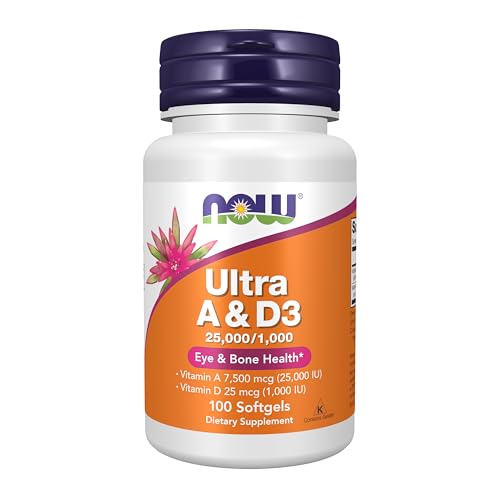
NOW Foods, Vitamin A, 10,000 IU, 100 Softgels
Bronson Vitamin A 10,000 IU Premium Non-GMO Formula <strong>Supports Healthy Vision & Immune System and Healthy Growth & Reproduction, 250 Softgels ... Good for vitamin A most people, most peo

Jarrow Formulas® CarotenAll, Dietary Supplement, Antioxidant Support for Vision and Cardiovascular Health, 60 Softgels, Up to a 60 Day Supply
Vitamin A (100% as beta-carotene), Lutein (Marigold Petal) (T. erecta), Zeaxanthin (Marigold Petal) (T. erecta), Lycopene (Tomato) L. esculentum), Astaxanthin (from H. pluvialis), Alpha Carotene (Palm
Evidence & Sources
Supported by multiple clinical trials and systematic reviews
- National Institutes of Health Office of Dietary Supplements
- World Health Organization
- National Center for Complementary and Integrative Health
- The Lancet
- The New England Journal of Medicine
- American Journal of Clinical Nutrition
- Cochrane Database of Systematic Reviews
- StatPearls
This content is for informational purposes only and does not constitute medical advice. Always consult a qualified healthcare provider before starting, stopping, or changing any supplement or medication regimen.