

Valerian Root
Overview
Valerian root refers most commonly to the underground parts of Valeriana officinalis, a perennial flowering plant long used as an herbal supplement for sleep disturbances, nervous tension, and restlessness. Preparations may include dried root, teas, tinctures, capsules, tablets, and standardized extracts. Interest in valerian remains high because sleep complaints and stress-related symptoms are common, and many people seek non-pharmaceutical approaches that may feel more aligned with long-term wellness practices.
Chemically, valerian contains a complex mixture of compounds, including valerenic acids, iridoids (sometimes called valepotriates), lignans, and volatile oils. Researchers have explored whether these constituents may influence neurotransmitter systems involved in relaxation and sleep regulation, particularly gamma-aminobutyric acid (GABA) signaling. However, valerian is not a single isolated compound, and commercial products vary substantially by plant species, extraction method, dose form, and standardization, which makes study results harder to compare.
In health research and traditional use, valerian is most often discussed in relation to insomnia, sleep quality, mild anxiety, and stress-related tension. Some studies suggest modest benefits for subjective sleep quality, while others show limited or inconsistent effects, especially when outcomes are measured objectively. This mixed picture reflects a broader challenge in botanical medicine: historical use can be substantial, yet modern trials may differ in product quality, populations studied, and methods used to assess benefit.
Overall, valerian root occupies an important middle ground between conventional and traditional care. It is widely recognized as a popular herbal sleep aid, but it is not considered a universal solution, and its effects may depend on the individual, the formulation used, and the symptom being evaluated. As with any supplement, questions of product quality, interactions, and appropriateness for a given health context are important to review with a qualified healthcare professional.
Medical Perspectives
Two Ways of Seeing Health

Western
scientific · clinical
Western medicine applies science, technology, and clinical experience to treat symptoms through testing, diagnosis, and targeted intervention.

Eastern
traditional · alternative
Eastern medicine focuses on treating the body naturally by applying traditional knowledge practiced for thousands of years, emphasizing balance and whole-person wellness.
Gold Bamboo presents both perspectives side-by-side so you can make informed decisions. We don't advocate for one over the other — your health choices are yours.
Western Medicine Perspective
Western / Conventional Medicine Perspective
From a conventional medicine standpoint, valerian root is typically classified as an herbal dietary supplement studied primarily for insomnia and mild anxiety-related symptoms. Proposed mechanisms include modulation of GABAergic activity, possible effects on serotonin and adenosine pathways, and mild sedative properties linked to valerenic acid constituents. These mechanisms are biologically plausible, but they do not translate into uniformly consistent clinical outcomes.
Clinical research on valerian has produced mixed findings. Some randomized trials and systematic reviews suggest that valerian may modestly improve subjective sleep quality or sleep latency in certain adults, while other studies find little difference from placebo. Conventional reviewers often note major limitations: small sample sizes, short study duration, varying valerian preparations, and inconsistent outcome measures. As a result, many medical organizations describe the evidence as inconclusive rather than strongly supportive.
Safety discussions in conventional care generally focus on daytime drowsiness, headache, gastrointestinal upset, vivid dreams, and supplement-drug interactions. Additional caution is often raised around combined use with other sedating substances, alcohol, or medications affecting the central nervous system. Product quality is another concern, since supplements may differ in potency and purity. In clinical settings, valerian is usually viewed as a supplement with a relatively long history of use and a generally acceptable short-term safety profile for many adults, but with important caveats related to individual risk, coexisting conditions, and concurrent medications that warrant professional review.
Eastern & Traditional Perspective
Eastern / Traditional Medicine Perspective
In traditional European herbalism, valerian has long been categorized as a plant associated with calming the nerves, easing tension, and supporting restful sleep. Rather than focusing only on a single symptom such as insomnia, traditional frameworks often interpret valerian as useful when restlessness, stress, irritability, and physical tension appear together. Its role is often considered functional and constitutional: supporting the body's ability to settle into rest when overstimulation or nervous agitation is prominent.
Within broader naturopathic and integrative herbal traditions, valerian is often discussed as a relaxant or nervine herb. These systems frequently emphasize pattern recognition over disease labeling, considering whether a person presents with agitation, muscular tightness, stress-related sleep disruption, or difficulty unwinding. Herbalists may also distinguish valerian from gentler calming botanicals, noting that it has traditionally been regarded as more grounding or sedative for some constitutions, while others may not respond in the same way.
Valerian is not a central herb in classical Traditional Chinese Medicine or Ayurveda to the same extent that it is in Western herbal traditions, though related species and analogous calming herbs exist in those systems. In integrative practice, TCM and Ayurveda are more likely to place sleep disturbance within a broader pattern such as imbalance in Shen, Heart, Liver, Vata, or mental overstimulation, and valerian may be considered as an adjunct rather than a primary traditional remedy. This perspective underscores a key traditional principle: sleep and calm are viewed as expressions of systemic balance, digestion, emotional regulation, and nervous system resilience, not merely isolated symptoms.
Across traditional systems, valerian is generally approached as one part of a broader therapeutic context that may include routine, stress reduction, diet, mind-body practices, and individualized herbal formulation. As with other botanical therapies, traditional use provides historical context, but contemporary integrative care still benefits from informed discussion with qualified practitioners, especially when symptoms are persistent or complex.
Supplements & Products
Recommended Products
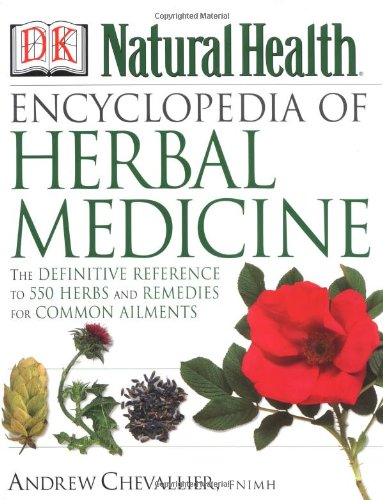
Encyclopedia of Herbal Medicine: The Definitive Home Reference Guide to 550 Key Herbs with all their Uses as Remedies for Common Ailments: Chevallier, Andrew
Mary Stout, Pima Community Coll., Tucson, AR Copyright 2001 Reed Business Information, Inc. Andrew Chevallier, FNIMH, is an <strong>experienced medical herbalist and Senior Lecturer in Herbal Medicine

NOW Foods Supplements, Valerian Root (Valeriana officinalis) 500 mg, Herbal Supplement, 250 Veg Capsules
500 mg VEGAN CAPSULE: Take 2 capsules prior to bedtime as needed.
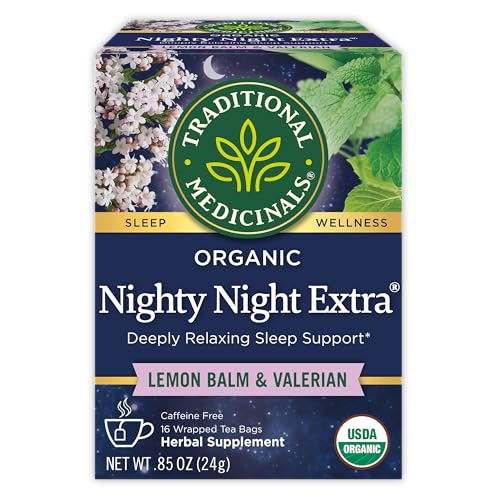
Traditional Medicinals Organic Nighty Night Extra Tea With Valerian Root for Relaxation, 16 Tea Bags (Pack of 1) : Everything Else
Traditional Medicinals Organic, Nighty Night Extra, Valerian Root & Lemon Balm - Herbal Sleep Aid Tea - Kosher, Non-GMO, Caffeine-Free, Compostable - 96 Tea Bags (6 Packs of 16)
Evidence & Sources
Promising research with growing clinical support from multiple studies
- National Center for Complementary and Integrative Health (NCCIH)
- European Medicines Agency (EMA), Committee on Herbal Medicinal Products
- Cochrane Database of Systematic Reviews
- Sleep Medicine Reviews
- Journal of Clinical Sleep Medicine
- Phytomedicine
- American Academy of Sleep Medicine
- World Health Organization (WHO) monographs on selected medicinal plants
This content is for informational purposes only and does not constitute medical advice. Always consult a qualified healthcare provider before starting, stopping, or changing any supplement or medication regimen.