

Triphala
Overview
Triphala is a traditional Ayurvedic herbal formula made from the dried fruits of three plants: Amalaki (Emblica officinalis or Phyllanthus emblica), Bibhitaki (Terminalia bellirica), and Haritaki (Terminalia chebula). The name literally means “three fruits.” In South Asian medical traditions, it has long been used as a broad-support tonic, particularly in relation to digestion, elimination, metabolic balance, and general rejuvenation. Today, Triphala is commonly marketed as a dietary supplement for bowel regularity, digestive comfort, antioxidant support, and so-called “detoxification.”
From a modern phytochemical standpoint, Triphala contains a wide range of polyphenols, tannins, gallic acid, ellagic acid, chebulinic acid, chebulagic acid, and vitamin C–related antioxidant activity, although composition varies substantially depending on sourcing, processing, and formulation. This variability matters because herbal blends are not chemically uniform in the way pharmaceutical products are. Different extracts, powders, capsules, and teas may differ in concentration, bioavailability, and purity.
Interest in Triphala has expanded beyond traditional use because preclinical and early clinical research suggests it may have effects on gut motility, stool consistency, oxidative stress, oral health, metabolic markers, and the gut microbiome. At the same time, much of the evidence remains limited by small sample sizes, short study duration, inconsistent product standardization, and heterogeneity in study design. As a result, Triphala occupies a middle ground: it is historically important and biologically plausible, but not as conclusively studied as many conventional digestive therapies.
In safety discussions, Triphala is generally described as well tolerated in traditional use and in small studies, but gastrointestinal upset, loose stools, cramping, or interactions with medications remain relevant considerations. Because supplements can vary in quality and contamination risk, clinicians and consumers often view product sourcing as an important part of any evidence-informed discussion. Consultation with a qualified healthcare professional is appropriate when Triphala is being considered alongside chronic digestive symptoms, pregnancy, significant medical conditions, or prescription medications.
Medical Perspectives
Two Ways of Seeing Health

Western
scientific · clinical
Western medicine applies science, technology, and clinical experience to treat symptoms through testing, diagnosis, and targeted intervention.

Eastern
traditional · alternative
Eastern medicine focuses on treating the body naturally by applying traditional knowledge practiced for thousands of years, emphasizing balance and whole-person wellness.
Gold Bamboo presents both perspectives side-by-side so you can make informed decisions. We don't advocate for one over the other — your health choices are yours.
Western Medicine Perspective
Western Medicine Perspective
In conventional medicine, Triphala is evaluated as a multi-herb dietary supplement rather than as a standard drug therapy. Researchers are most interested in its possible roles in constipation, functional gastrointestinal symptoms, inflammatory pathways, oxidative stress, oral health, and metabolic health. Laboratory and animal studies suggest antioxidant, mild laxative, antimicrobial, anti-inflammatory, and microbiome-modulating properties. These mechanisms could help explain why it has drawn attention for digestive health, but mechanistic plausibility does not automatically translate into strong clinical benefit.
Human evidence is still developing. Some small clinical studies indicate Triphala may support bowel regularity, stool frequency, and digestive comfort, and there is also a body of dental research suggesting possible usefulness in oral hygiene formulations, such as mouth rinses, because of antimicrobial and anti-plaque effects. However, the quality of evidence is mixed. Many trials are small, conducted in single centers, use nonstandard formulations, or compare Triphala with limited controls. For this reason, major Western clinical guidelines generally do not place Triphala among first-line, well-established interventions for digestive disorders.
From a safety and regulatory perspective, Western medicine emphasizes that supplements are subject to quality variation, including possible issues with adulteration, heavy metals, or inconsistent active compounds. Potential adverse effects may include diarrhea, abdominal discomfort, or changes in bowel habits, particularly in sensitive individuals. Healthcare professionals may also consider possible interactions in people taking multiple medications or those with complex gastrointestinal, liver, kidney, or endocrine conditions. In this framework, Triphala is best understood as a promising but not definitively established supplement, with the strongest support in preliminary and adjunctive contexts rather than as a proven standalone therapy.
Eastern & Traditional Perspective
Eastern/Traditional Medicine Perspective
In Ayurveda, Triphala is one of the best-known classical formulas and is traditionally regarded as a rasayana, or rejuvenative preparation. Its three fruits are understood to work synergistically to support agni (digestive fire), ama (metabolic waste or toxic residue), and balanced elimination. Rather than being viewed only as a laxative, Triphala is traditionally described as helping to gently regulate digestion, assimilation, and cleansing while also supporting broader systemic balance. Classical Ayurvedic texts often associate it with long-term maintenance of gastrointestinal and tissue health.
Ayurvedic theory also interprets Triphala through the lens of the doshas. Although formulations and practitioner interpretations vary, Triphala is often described as balancing all three doshas—Vata, Pitta, and Kapha—with particular relevance where sluggish elimination, digestive irregularity, or accumulation are present. In this tradition, its role extends beyond symptom relief to include support for the eyes, skin, oral cavity, and healthy aging. These broader uses reflect the Ayurvedic view that digestion and elimination influence overall vitality.
Other traditional and integrative systems, including some naturopathic frameworks, similarly regard Triphala as a gentle bowel and digestive tonic with antioxidant and cleansing properties. However, Eastern medicine generally places Triphala within a wider therapeutic context that may include diet, daily routine, constitution, stress, sleep, and seasonal adaptation. In that sense, traditional use does not treat the formula as an isolated “detox” product, but as one component of a more comprehensive model of health. As with any traditional remedy, qualified practitioner guidance is often considered important, especially when symptoms are persistent or complex.
Supplements & Products
Recommended Products
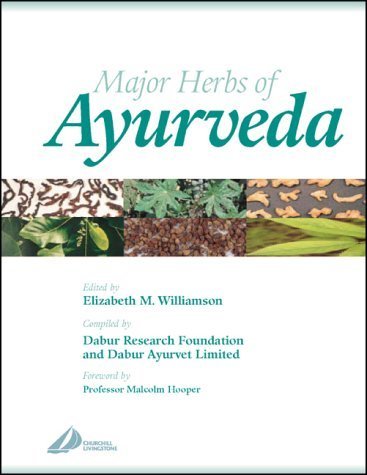
The Yoga of Herbs: An Ayurvedic Guide to Herbal Medicine: Frawley (Pandit Vamadeva Shastri), Dr. David, Lad, Dr. Vasant
The Yoga of Herbs: An Ayurvedic Guide to Herbal Medicine [Frawley (Pandit Vamadeva Shastri), Dr. David, Lad, Dr. Vasant] on Amazon.com. *FREE* shipping on qualifying offers. The Yoga of Herbs: An Ayur

Himalaya Organic Triphala, 2 Month Supply, for Colon Cleanse, Detox & Occasional Constipation, USDA Certified Organic, Non-GMO, Gluten-Free, Extract & Powder Herbal Supplement, 688 mg, 60 Caplets
Himalaya Organic Triphala <strong>supports digestion, helps reduce occasional bloating, tones the intestines to support regularity, removes stagnant waste, and supports easy colon cleansing</strong>.*
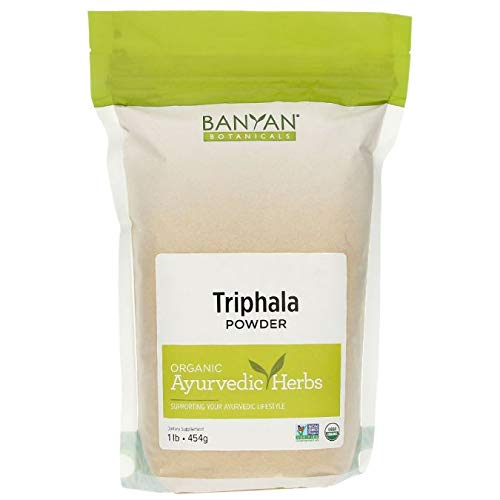
Banyan Botanicals Organic Triphala Powder – Daily Digestive Support & Gentle Colon Cleanse – Pure Amla, Haritaki & Bibhitaki for Gut Microbiome Health & Regularity – 1 lb – USDA Organic
It is easily mixed into warm water ... you can trust for your daily routine. Our Triphala is <strong>USDA Certified Organic, Non-GMO, and 3rd-party lab tested for purity and safety</strong>....
Evidence & Sources
Promising research with growing clinical support from multiple studies
- National Center for Complementary and Integrative Health (NCCIH)
- Journal of Ayurveda and Integrative Medicine
- Phytotherapy Research
- Journal of Ethnopharmacology
- Evidence-Based Complementary and Alternative Medicine
- Ayu
- World Health Organization (WHO) Traditional Medicine resources
- Indian Journal of Medical Research
This content is for informational purposes only and does not constitute medical advice. Always consult a qualified healthcare provider before starting, stopping, or changing any supplement or medication regimen.