

Sulforaphane
Also known as: Broccoli Sprout Extract, Glucoraphanin, Sulforaphan
Overview
Sulforaphane is a sulfur-containing phytochemical formed from glucoraphanin, a natural compound concentrated in cruciferous vegetables such as broccoli, Brussels sprouts, kale, and especially broccoli sprouts. When plant tissue is chopped, chewed, or otherwise disrupted, the enzyme myrosinase helps convert glucoraphanin into sulforaphane. This compound has attracted substantial interest in nutrition and preventive health research because it appears to influence the body’s own cellular defense systems, particularly pathways involved in antioxidant activity, detoxification, and stress response.
Sulforaphane is commonly discussed in the context of healthy aging, liver support, metabolic health, and cellular protection. Much of this interest centers on its effects on the Nrf2 pathway, a regulatory system involved in the expression of antioxidant and detoxification enzymes. Research suggests sulforaphane may help support the body’s handling of oxidative stress and environmental exposures, and investigators have also explored possible roles in inflammatory balance, vascular health, and brain health. However, interest in these areas has outpaced definitive clinical proof in many cases.
A key practical issue in sulforaphane research is that bioavailability varies considerably. The amount ultimately produced depends on the source material, preparation method, the presence or absence of active myrosinase, and individual differences in gut microbiota. As a result, studies using fresh sprouts, standardized extracts, and glucoraphanin-plus-myrosinase formulations are not always directly comparable. This variability is one reason why findings can appear promising while still remaining difficult to translate into uniform clinical conclusions.
Overall, sulforaphane occupies an important space between food-based nutrition research and supplement science. It is neither an essential nutrient nor a conventional drug, but a bioactive plant compound with plausible mechanisms and a growing, though still evolving, clinical literature. For individuals exploring this topic, it is generally presented as part of a broader conversation about diet, phytochemicals, and long-term resilience rather than as a stand-alone solution. Any personal use or interpretation of research is best discussed with a qualified healthcare professional, particularly for those with medical conditions, digestive disorders, thyroid concerns, or those using prescription medications.
Medical Perspectives
Two Ways of Seeing Health

Western
scientific · clinical
Western medicine applies science, technology, and clinical experience to treat symptoms through testing, diagnosis, and targeted intervention.

Eastern
traditional · alternative
Eastern medicine focuses on treating the body naturally by applying traditional knowledge practiced for thousands of years, emphasizing balance and whole-person wellness.
Gold Bamboo presents both perspectives side-by-side so you can make informed decisions. We don't advocate for one over the other — your health choices are yours.
Western Medicine Perspective
Western Medicine Perspective
From a conventional biomedical standpoint, sulforaphane is studied primarily as a bioactive phytochemical with effects on molecular signaling rather than as an established treatment for a specific disease. The best-known mechanism involves activation of Nrf2 (nuclear factor erythroid 2-related factor 2), which regulates genes tied to antioxidant defense, glutathione activity, and phase II detoxification enzymes such as glutathione S-transferases and quinone reductase. Researchers have also examined effects on NF-kB signaling, inflammatory mediators, mitochondrial function, and cellular responses to toxic or oxidative stress.
Clinical research in humans has investigated sulforaphane or broccoli sprout preparations in areas including metabolic syndrome, autism-related behavioral outcomes, Helicobacter pylori colonization, environmental toxicant handling, and markers of oxidative stress or inflammation. Some studies indicate measurable biologic activity and modest improvements in selected biomarkers or symptom scales, but findings are not yet consistent enough for broad medical consensus. In oncology and healthy aging research, sulforaphane is frequently discussed for chemopreventive potential, yet conventional medicine generally regards this as a promising research area rather than a validated therapeutic use.
Western medicine also emphasizes several limitations. First, supplement products differ widely in standardization, enzyme activity, and conversion efficiency. Second, laboratory and animal findings may not translate cleanly into meaningful clinical outcomes in humans. Third, while cruciferous vegetables are broadly recognized as health-supportive foods, isolated sulforaphane supplementation has a smaller and more heterogeneous evidence base. For this reason, mainstream medicine tends to frame sulforaphane as a topic of nutritional and translational research rather than a front-line intervention.
Safety discussions in conventional sources are generally cautious. Sulforaphane-rich foods are widely consumed, but concentrated preparations may not affect all people the same way, and gastrointestinal effects, supplement quality issues, and possible interactions remain relevant considerations. Consultation with a healthcare provider is especially important for individuals who are pregnant, undergoing cancer treatment, managing thyroid disease, or taking medications where metabolic interactions may matter.
Eastern & Traditional Perspective
Eastern and Traditional Medicine Perspective
Traditional medical systems such as Traditional Chinese Medicine (TCM) and Ayurveda do not historically describe sulforaphane as an isolated compound, but they do recognize the health significance of pungent, bitter, sulfur-rich plant foods and their effects on digestion, elimination, and resilience. In this context, broccoli sprouts and related cruciferous plants would generally be interpreted through their food energetics and systemic actions, rather than through modern molecular pathways. Traditional frameworks often emphasize that plants support health as part of a broader dietary pattern, constitution, and environmental balance.
In TCM-oriented interpretations, cruciferous vegetables are often viewed as foods that may help clear heat, move stagnation, transform phlegm, and support normal digestive and liver-associated functions, depending on the individual pattern and preparation. Bitter and slightly pungent foods have traditionally been used to promote movement and metabolic processing, concepts that loosely parallel modern discussions of detoxification and internal balance. That said, TCM would not generally isolate sulforaphane itself as the therapeutic principle; instead, emphasis would remain on the whole food, the person’s constitution, and pattern differentiation.
In Ayurvedic thought, cruciferous vegetables may be considered relevant to agni (digestive fire), metabolic processing, and the balance of ama (metabolic residue or toxic burden), though interpretations vary by practitioner and constitution. Bitter and pungent plant constituents are traditionally associated with cleansing and lightening qualities, and foods in this category may be discussed in relation to kapha balance and metabolic clarity. However, Ayurveda also places importance on preparation, digestibility, and individual tolerance, acknowledging that even beneficial foods may not suit every constitution in the same way.
In naturopathic and food-as-medicine traditions, sulforaphane-rich foods are often described as supporting the body’s innate detoxification capacity, antioxidant defenses, and adaptive resilience. These interpretations overlap with modern research but remain broader and more systems-based. As with conventional medicine, traditional and integrative practitioners typically frame sulforaphane-containing foods or supplements as one element within a larger picture that includes diet, stress, sleep, digestion, and constitutional health.
Supplements & Products
Recommended Products

The Sprout Book: Tap into the Power of the Planet's Most Nutritious Food: Evans, Doug, Fuhrman M.D. M.D., Joel
A National Bestseller, The Sprout Book is the book on the power of sprouts as an ultra-food for health, weight loss, and optimum nutrition. Written by Doug Evans, a pioneer in the plant-based health m
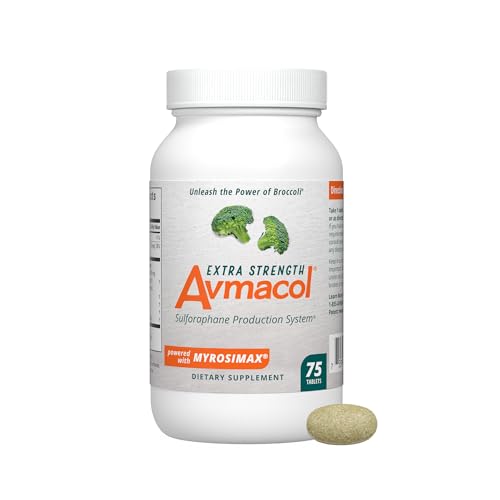
Nutramax Laboratories Avmacol Extra Strength #1 Researched Sulforaphane-Producing Brand for Detoxification with Glucoraphanin and Active Myrosinase, Immune Health, Adults & Children, 75 Tablets
Nutramax Laboratories Avmacol #1 Researched Sulforaphane-Producing Brand for Detoxification with Glucoraphanin and Active Myrosinase, Adults & Children, 60 Tablets ... Pure Therapro Rx OncoProtect
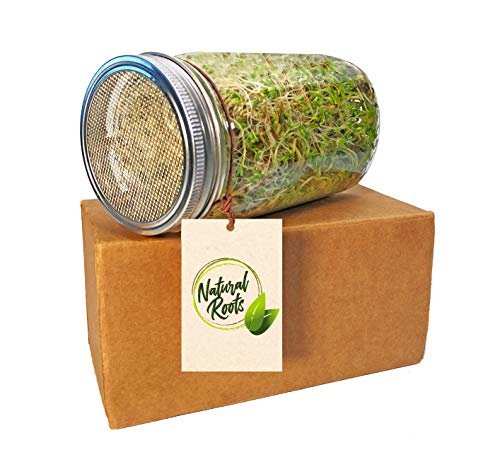
Sprouting Jar with Screen Lid-316 Stainless Steel 100% Rust Free, Wide Mouth Quart Mason Jar Kit Sprouter, Organic Healthy Fresh Broccoli, Alfalfa, Mung Bean Sprouts and more (Seeds not included)
Nature Jims Sprouts Organic Broccoli ... – 8oz ... Sprouting Jar Kit-2 Wide Mouth Quart Mason Jars with <strong>316 Stainless Steel Screen Sprout Lids, Drip Tray, Stand</strong> | Seed Sprouter Set fo
Evidence & Sources
Promising research with growing clinical support from multiple studies
- National Center for Complementary and Integrative Health (NCCIH)
- National Institutes of Health Office of Dietary Supplements
- World Cancer Research Fund / American Institute for Cancer Research
- Cancer Prevention Research
- Clinical Epigenetics
- Proceedings of the National Academy of Sciences (PNAS)
- The Journal of Nutrition
- Molecular Nutrition & Food Research
- Free Radical Biology and Medicine
- Nutrition Reviews
This content is for informational purposes only and does not constitute medical advice. Always consult a qualified healthcare provider before starting, stopping, or changing any supplement or medication regimen.