

Spirulina
Overview
Spirulina is a blue-green biomass of microscopic aquatic organisms, most commonly classified among Arthrospira species, that has long been used as a nutrient-dense food and more recently marketed as a dietary supplement. It is notable for its high protein content, naturally occurring pigments such as phycocyanin, and a range of vitamins, minerals, carotenoids, and other bioactive compounds. In supplement markets, spirulina commonly appears as powders, tablets, capsules, and blended formulations promoted for general wellness, nutritional support, and antioxidant activity.
Interest in spirulina has grown because it sits at the intersection of nutrition, functional foods, and complementary medicine. Laboratory and early human studies have examined potential roles in areas such as lipid metabolism, immune modulation, oxidative stress, metabolic health, allergic symptoms, and exercise recovery. However, while research suggests promising biological activity, the strength of evidence varies considerably by health outcome, and many published studies are small, short-term, or heterogeneous in design.
Quality and sourcing are especially important considerations with spirulina. As an algae-derived product, it may vary by cultivation method, processing, and contamination control. Reputable discussions of spirulina often note the importance of testing for microcystins, heavy metals, and microbial contaminants, because these factors can affect safety and product consistency. Spirulina is also relevant in nutrition conversations because it has been explored as a supplemental protein and micronutrient source in settings of limited food access, though its real-world nutritional impact depends on formulation, dose, and overall diet.
From a broader health perspective, spirulina is best understood as a bioactive nutritional supplement with potential adjunctive value rather than a stand-alone therapy. Conventional research continues to investigate its measurable physiological effects, while traditional and natural health systems tend to frame it as a strengthening, nourishing substance that may support resilience and vitality. As with many supplements, interpretation benefits from individualized context and discussion with a qualified healthcare professional, particularly for people with complex medical conditions, autoimmune concerns, or multiple medications.
Medical Perspectives
Two Ways of Seeing Health

Western
scientific · clinical
Western medicine applies science, technology, and clinical experience to treat symptoms through testing, diagnosis, and targeted intervention.

Eastern
traditional · alternative
Eastern medicine focuses on treating the body naturally by applying traditional knowledge practiced for thousands of years, emphasizing balance and whole-person wellness.
Gold Bamboo presents both perspectives side-by-side so you can make informed decisions. We don't advocate for one over the other — your health choices are yours.
Western Medicine Perspective
Western Medicine Perspective
In conventional medicine and nutrition science, spirulina is primarily evaluated as a supplement with antioxidant, anti-inflammatory, and metabolic effects. Researchers have focused on compounds such as phycocyanin, phenolic constituents, carotenoids, and essential nutrients that may influence oxidative stress pathways, lipid profiles, endothelial function, and immune signaling. Some clinical studies and reviews suggest modest benefits in markers such as total cholesterol, LDL cholesterol, triglycerides, fasting glucose, blood pressure, and inflammatory measures, but findings are not uniform across populations or study designs.
Spirulina has also been studied in more targeted areas including allergic rhinitis, exercise-related oxidative stress, anemia in selected groups, and nutritional support. In allergic rhinitis, small trials have reported improvement in symptom scores and inflammatory markers, although larger confirmatory studies are limited. In metabolic health, meta-analyses indicate possible favorable effects on cardiometabolic markers, but conventional medicine generally views the evidence as adjunctive and preliminary rather than definitive. It is not considered a standard medical treatment for dyslipidemia, diabetes, hypertension, or immune disorders.
Safety discussions in western literature emphasize product quality, contamination risk, and patient-specific contraindications. Spirulina itself is often described as well tolerated in studied amounts, but algae products can pose concerns if harvested or manufactured under poor controls. Clinicians may also consider theoretical or case-based concerns in people with autoimmune disorders, phenylketonuria, severe liver disease, or those using immunomodulating therapies, depending on the product and context. Conventional guidance typically frames spirulina as a supplement that warrants the same scrutiny as other nonprescription bioactive products, especially because supplement regulation and quality assurance can vary across markets.
Eastern & Traditional Perspective
Eastern / Traditional Medicine Perspective
Traditional medical systems did not historically describe spirulina in the same modern commercial terms used today, but many Eastern and natural medicine traditions interpret it through the broader lens of nutritive tonics, restorative foods, and vitality-building substances. In integrative practice, spirulina is often regarded as a concentrated whole-food supplement that may help support energy, recovery, and overall resilience when viewed as part of constitutional nourishment rather than a targeted pharmaceutical-like intervention.
Within naturopathic and functional traditions, spirulina is commonly discussed as a foundational support for nutrient intake, antioxidant balance, and detoxification-oriented wellness frameworks, although the latter concept is often broader and less standardized than western clinical terminology. It is frequently grouped with other green superfoods and algae-based substances used to support general vitality, especially during periods of increased physical demand or recovery. These frameworks emphasize the terrain of the individual rather than a single isolated symptom.
From the perspective of Traditional Chinese Medicine (TCM) and Ayurveda, spirulina is generally a modern addition rather than a classical herb with a long textual lineage. Even so, contemporary practitioners may classify it by functional qualities such as replenishing, cooling, or nutritive effects depending on the person's presentation and the broader formulation strategy. In these systems, a supplement like spirulina is less often treated as a universal remedy and more often considered in relation to digestion, constitution, inflammatory tendency, and overall balance. This perspective highlights individualized assessment and professional guidance, especially because concentrated supplements may not suit every pattern or constitution equally.
Supplements & Products
Recommended Products
Spirulina in Human Nutrition and Health
M. E. Gershwin, Amha Belay · Publisher : CRC Press; 1st edition (October 8, 2007)

NOW Foods Supplements, Certified Organic, Spirulina 1000 mg (Double Strength), Rich in Beta-Carotene (Vitamin A) and B-12 with naturally occurring GLA , 120 Tablets
Buy NOW Foods Supplements, Certified Organic, Spirulina 1000 mg (Double Strength), <strong>Rich in Beta-Carotene (Vitamin A) and B-12 with naturally occurring GLA , 120 Tablets</strong> on Amazon.com
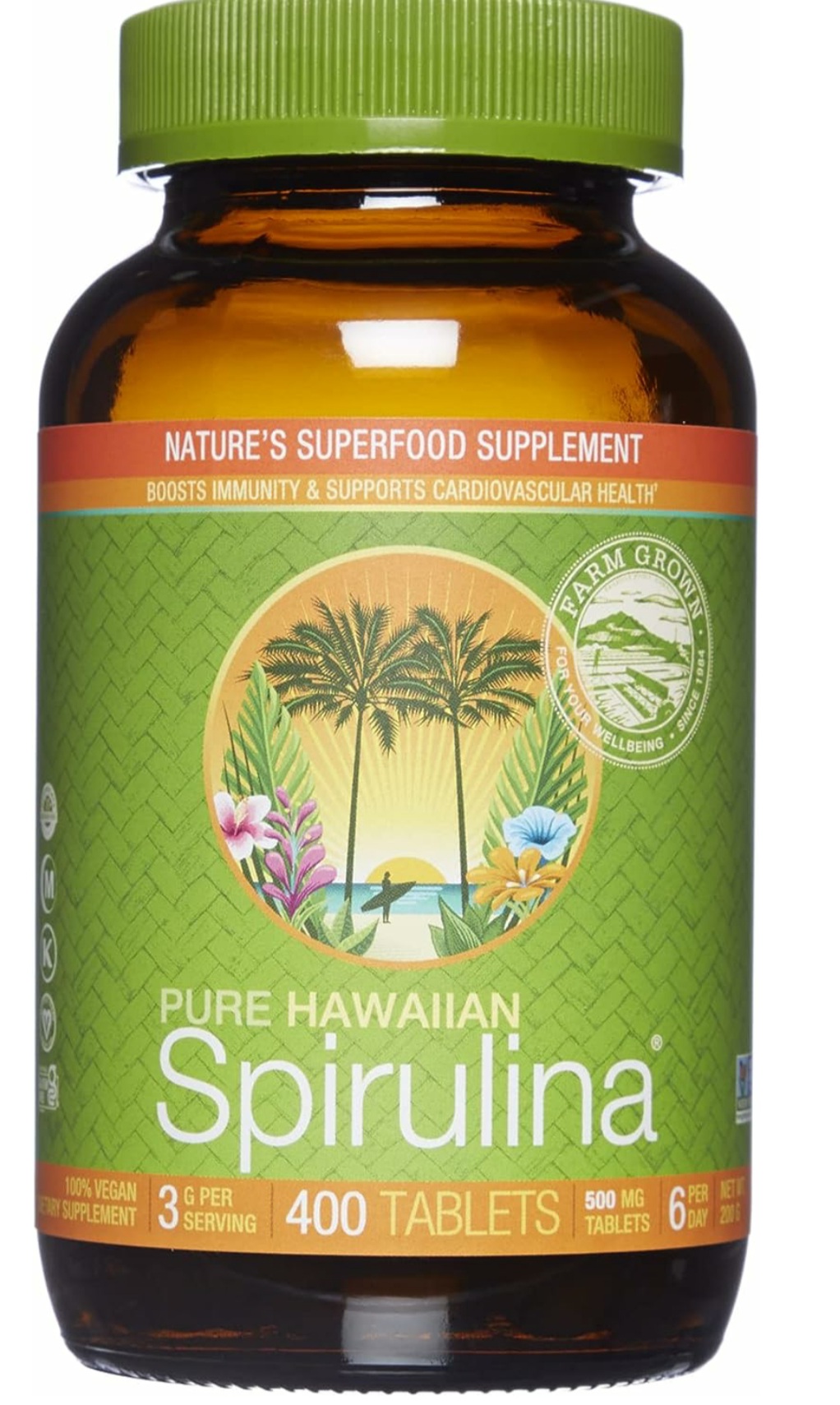
Nutrex Hawaii Pure Hawaiian Spirulina Powder - Vegan Superfood, Farm Grown in Kona, Non-GMO, Immune Support & Cellular Energy, 16 Oz
Buy Nutrex Hawaii Pure Hawaiian Spirulina Powder - Vegan Superfood, Farm Grown in Kona, Non-GMO, Immune Support & Cellular Energy, 16 Oz on Amazon.com ✓ FREE SHIPPING on qualified orders
Evidence & Sources
Promising research with growing clinical support from multiple studies
- National Institutes of Health Office of Dietary Supplements
- National Center for Complementary and Integrative Health (NCCIH)
- Spirulina in Human Nutrition and Health, Journal of Medicinal Food
- Nutrients
- Frontiers in Nutrition
- Food Chemistry
- World Health Organization (WHO)
- Journal of Dietary Supplements
This content is for informational purposes only and does not constitute medical advice. Always consult a qualified healthcare provider before starting, stopping, or changing any supplement or medication regimen.