

Silica
Also known as: Silicon, Orthosilicic Acid, Bamboo Silica, Horsetail Silica
Overview
Silica generally refers to forms of silicon-containing compounds found in nature, food, water, and some dietary supplements. In human nutrition, silicon is most often discussed in the form of orthosilicic acid or related compounds that may contribute to the body’s structural tissues. It is commonly associated with connective tissue integrity, including skin, hair, nails, bone, cartilage, and blood vessel walls. Because of these associations, silica is frequently marketed in the context of beauty support, collagen-related wellness, and healthy aging.
Silicon is present in small amounts in many plant-based foods, particularly whole grains, certain vegetables, legumes, and some mineral waters. Although it is not always emphasized in mainstream nutrition in the same way as iron, calcium, or zinc, research has explored whether dietary silicon may play a supportive role in collagen synthesis, bone mineralization, and the maintenance of extracellular matrix tissues. Interest in supplementation has grown partly because observational studies have linked higher silicon intake with measures of bone health and because some small trials suggest possible benefits for skin or brittle nails.
At the same time, silica is a broad term, and that distinction matters. Inhaled crystalline silica dust is a well-established occupational hazard associated with serious lung disease, but this is entirely different from the oral use of nutritional silicon compounds in food or supplements. On consumer health pages, "silica" usually refers to nutritional silicon rather than industrial exposure. This difference is important for accurate interpretation of safety and health claims.
Current evidence suggests silicon may have a supportive physiological role, but the science remains less developed than for many essential nutrients. There is no broad medical consensus that most healthy adults require silica supplementation, and the quality of evidence varies by outcome. Research is strongest for biological plausibility and observational associations, while evidence for clear, clinically meaningful supplementation benefits for hair, skin, nails, or collagen remains more limited. As with any supplement, product form, dose, bioavailability, and overall diet can influence how findings are interpreted, and consultation with a qualified healthcare professional may be appropriate when evaluating individual use.
Medical Perspectives
Two Ways of Seeing Health

Western
scientific · clinical
Western medicine applies science, technology, and clinical experience to treat symptoms through testing, diagnosis, and targeted intervention.

Eastern
traditional · alternative
Eastern medicine focuses on treating the body naturally by applying traditional knowledge practiced for thousands of years, emphasizing balance and whole-person wellness.
Gold Bamboo presents both perspectives side-by-side so you can make informed decisions. We don't advocate for one over the other — your health choices are yours.
Western Medicine Perspective
Western / Conventional Medicine Perspective
From a conventional medicine perspective, silicon is viewed as a trace dietary element with possible structural and metabolic importance, especially in connective tissue and bone. Laboratory and animal studies have suggested roles in collagen formation, glycosaminoglycan metabolism, and early stages of bone matrix development. Human observational research has also reported associations between higher dietary silicon intake and greater bone mineral density, particularly in some populations such as premenopausal women and men.
In supplement research, the best-studied oral forms include choline-stabilized orthosilicic acid and related bioavailable silicon compounds. Small human studies have investigated outcomes such as skin elasticity, hair quality, brittle nails, and bone-related markers. Some findings are encouraging, especially where brittle nails or photoaged skin are concerned, but the trials are generally modest in size and duration. This means the evidence is not yet robust enough for strong universal conclusions, and mainstream clinical guidelines do not typically place silica among core, first-line supplements for beauty or musculoskeletal health.
Safety discussions in western medicine emphasize the difference between nutritional intake and occupational inhalation exposure. Oral silica from foods and commonly used supplements appears to be tolerated in typical amounts studied, though product quality and formulation can vary. Conventional clinicians may also note that people seeking silica often have broader concerns involving nutrition, protein intake, iron status, thyroid function, aging, dermatologic conditions, or bone health, all of which may warrant a more comprehensive assessment rather than attributing symptoms solely to low silica intake.
Eastern & Traditional Perspective
Eastern / Traditional Medicine Perspective
In Traditional Chinese Medicine (TCM) and Ayurveda, silica is not usually framed as an isolated nutrient target in the same way it is in modern supplement marketing. Instead, skin, hair, nails, and connective tissues are understood through broader functional patterns. In TCM, these tissues may be discussed in relation to the nourishment of Blood, the strength of the Kidneys, and the condition of Jing and body fluids. Hair and nail quality, for example, may be interpreted as outward reflections of deeper constitutional balance rather than a standalone mineral issue.
Within Ayurvedic thought, connective tissue and beauty are often considered through the health of the dhatus (body tissues), digestive capacity, and overall tissue nourishment. Skin luster, hair strength, and nail integrity may be linked conceptually with balanced nutrition, proper assimilation, and the quality of deeper tissues such as asthi dhatu and related tissue-building processes. Rather than focusing specifically on silica, traditional systems often emphasize whole-food nourishment, mineral-rich plant sources, and restoration of systemic balance.
In naturopathic and traditional wellness frameworks, silica-containing herbs such as horsetail (Equisetum arvense), oat straw, or mineral-rich botanical preparations have been traditionally used to support hair, skin, nails, and connective tissue resilience. These uses are based largely on historical tradition and evolving modern interpretation rather than definitive clinical proof. Contemporary integrative practitioners may discuss silica as one piece of a broader matrix involving collagen status, digestion, inflammation, stress, and dietary pattern. As with other traditional approaches, these frameworks are individualized and are best interpreted with qualified professional guidance.
Supplements & Products
Recommended Products
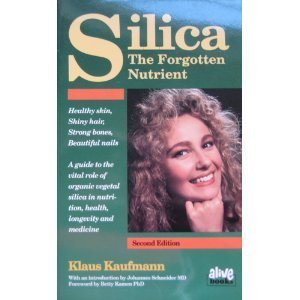
Silica: The Forgotten Nutrient: Klaus Kaufmann
Silica: The Amazing Gel : <strong>An Essential Mineral for Radiant Health Recovery and Rejuvenation</strong> (Kaufmann Foods)
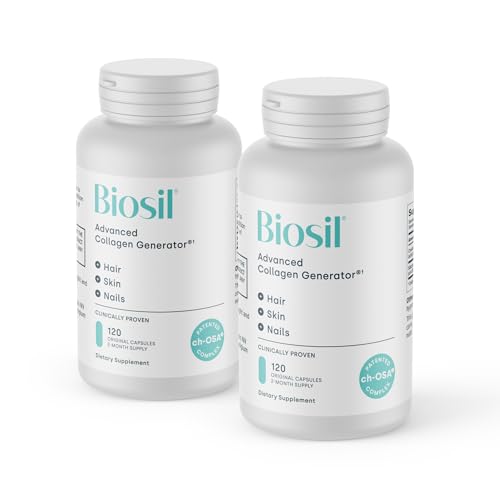
Biosil Collagen Booster Supplement - 120 Original Capsules - Patented ch-OSA Activator for Skin, Hair, Nails & Joints - Supports Natural Production - 60-Day Supply
ACTIVATE YOUR BEAUTY - The ch-OSA in Biosil Collagen Generator <strong>increases collagen, keratin, and elastin levels in your body</strong>.
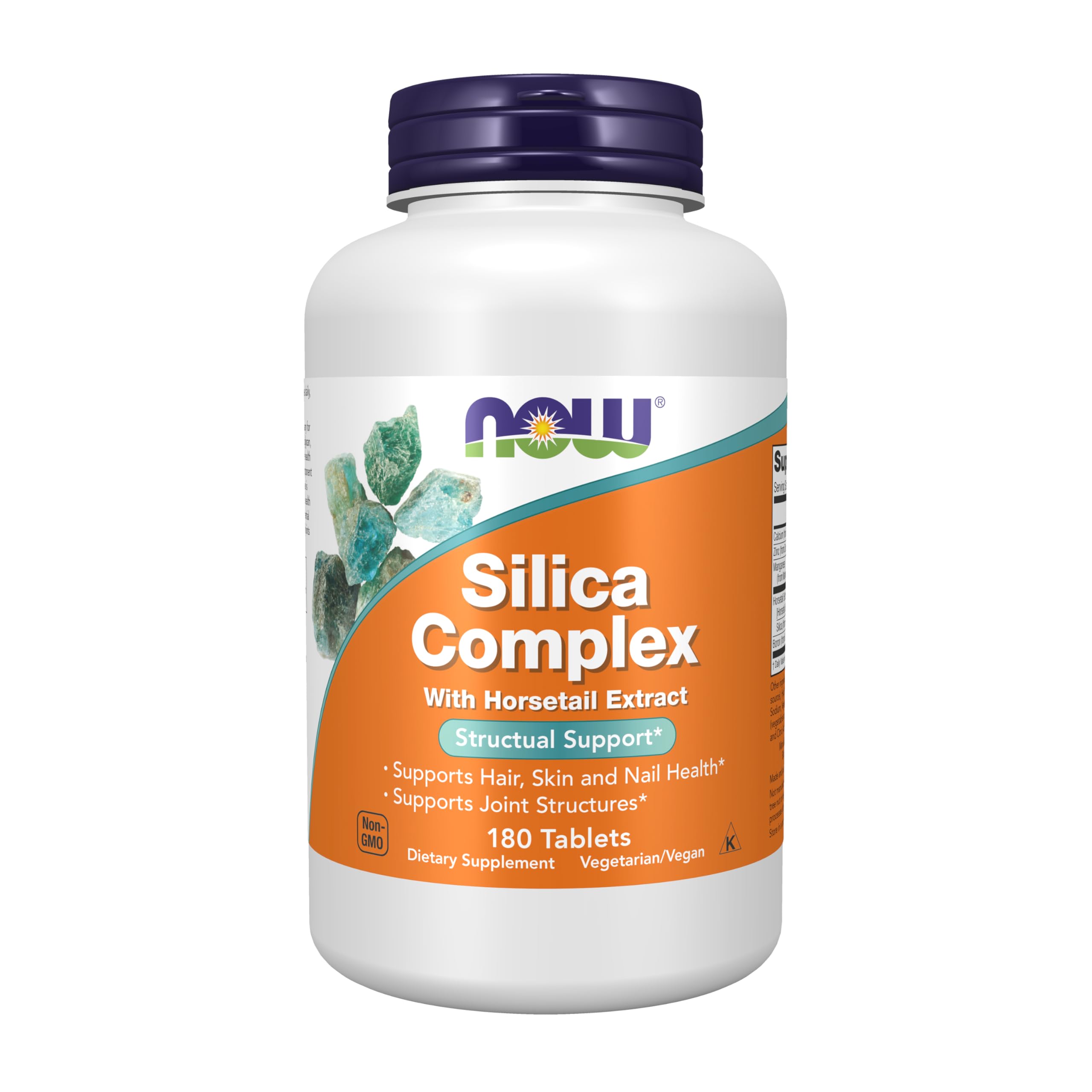
NOW Foods Supplements, Silica Complex with Horsetail Extract, Supports Hair, Skin and Nail Health*, Structural Support*, 180 Tablets
Supplement FactsServing Size:1 TabletServings Per Container:180DescriptionAmount per Serving% Daily ValueCalcium (from Calcium Citrate) 50 mg 4% Zinc (from Zinc Chelate Complex)) 5 mg 45% Manganese (f
Evidence & Sources
Promising research with growing clinical support from multiple studies
- National Institutes of Health (Office of Dietary Supplements)
- National Center for Complementary and Integrative Health (NCCIH)
- European Food Safety Authority (EFSA)
- World Health Organization (WHO)
- Journal of Nutrition, Health & Aging
- Bone
- Archives of Dermatological Research
- International Journal of Cosmetic Science
This content is for informational purposes only and does not constitute medical advice. Always consult a qualified healthcare provider before starting, stopping, or changing any supplement or medication regimen.