

Shiitake
Also known as: Lentinula Edodes, Shiitake Mushroom
Overview
Shiitake (Lentinula edodes) is an edible mushroom widely used as both a food and a traditional wellness ingredient. Native to East Asia and now cultivated globally, it is valued for its rich culinary flavor as well as its content of biologically active compounds, including beta-glucans, polysaccharides such as lentinan, eritadenine, sterols, fiber, B vitamins, copper, selenium, and other phytonutrients. In supplement form, shiitake may appear as dried mushroom powder, concentrated extracts, or formulas combining fruiting body and mycelium preparations.
Interest in shiitake as a supplement often centers on immune support, cardiovascular wellness, and broader support for resilience and healthy aging. Research has explored its effects on innate and adaptive immune activity, cholesterol metabolism, antioxidant pathways, and gut-associated immune signaling. At the same time, it is important to distinguish between dietary use, traditional use, and standardized medicinal extracts, since different preparations can vary substantially in their active constituents.
Shiitake also occupies an important middle ground between nutrition and herbal medicine. As a whole food, it contributes micronutrients and fiber; as a traditional medicinal mushroom, it has a long history of use for vitality and resistance; and as a research subject, specific compounds from shiitake have been investigated in immunology and oncology settings. However, the clinical evidence is not uniform across all claimed benefits, and many studies involve small sample sizes, laboratory models, or specialized extracts rather than over-the-counter supplements.
Overall, shiitake is best understood as a nutrient-dense medicinal mushroom with promising but context-dependent evidence. Research suggests potential relevance for immune modulation and cardiometabolic markers, while traditional systems place it within a broader framework of nourishment, energy, and systemic balance. As with any supplement, interpretation depends on preparation, dose form, individual health context, and guidance from a qualified healthcare professional.
Medical Perspectives
Two Ways of Seeing Health

Western
scientific · clinical
Western medicine applies science, technology, and clinical experience to treat symptoms through testing, diagnosis, and targeted intervention.

Eastern
traditional · alternative
Eastern medicine focuses on treating the body naturally by applying traditional knowledge practiced for thousands of years, emphasizing balance and whole-person wellness.
Gold Bamboo presents both perspectives side-by-side so you can make informed decisions. We don't advocate for one over the other — your health choices are yours.
Western Medicine Perspective
Western / Conventional Medicine Perspective
From a conventional biomedical perspective, shiitake is of interest because it contains polysaccharides and beta-glucans that may influence immune signaling, along with compounds such as eritadenine that have been studied for effects on lipid metabolism. Laboratory and animal research suggests shiitake constituents can interact with macrophages, natural killer cells, cytokine pathways, and other parts of the immune system. These findings have led to investigation of shiitake-derived compounds in areas such as immune resilience, infection response, and adjunctive oncology research.
One of the best-known shiitake compounds is lentinan, a purified beta-glucan-rich polysaccharide used in some countries as an adjunct in cancer care research, particularly in gastric and other gastrointestinal cancers. This does not mean ordinary shiitake supplements function the same way as pharmaceutical-grade lentinan, but it has contributed to scientific interest in the mushroom's immunomodulatory properties. Small human studies have also examined oral shiitake consumption and found changes in immune markers and inflammatory parameters, though these findings remain preliminary and are not sufficient to establish broad clinical uses.
In cardiovascular and metabolic research, studies indicate shiitake may affect cholesterol handling, oxidative stress, and endothelial health, partly through fiber, sterols, and eritadenine-related mechanisms. Regular dietary mushroom intake is also associated in some observational research with better diet quality and potential health benefits, but such associations cannot confirm causation. Conventional medicine would generally view shiitake as a potentially beneficial functional food or supplement with promising but still developing evidence, rather than a stand-alone therapy.
Safety considerations also appear in the medical literature. Shiitake is generally considered safe as a food for most people, but adverse effects have been reported, including shiitake dermatitis, a distinctive rash linked most often to raw or undercooked mushroom exposure, as well as occasional gastrointestinal upset or allergic reactions. Individuals with mushroom allergies, immune-related conditions, or those using complex medical therapies may benefit from discussing supplement use with a healthcare provider.
Eastern & Traditional Perspective
Eastern / Traditional Medicine Perspective
In Traditional Chinese Medicine (TCM), shiitake has long been regarded as a strengthening food-medicine associated with supporting qi, nourishing the body, and promoting resistance to fatigue and weakness. It is often understood less as an isolated immune stimulant and more as a substance that helps maintain systemic balance, supports the digestive process, and contributes to overall vitality. Within traditional use, mushrooms such as shiitake are commonly valued for helping the body adapt during periods of lowered resilience or convalescence.
In Japanese traditional and integrative practice, shiitake has historically been appreciated as a health-supportive mushroom, and this cultural context helped drive later scientific study of lentinan and related compounds. Traditional frameworks often emphasize regular, moderate use as part of a restorative diet rather than acute intervention. The idea is not simply targeting one symptom, but supporting the terrain of health through nourishment, circulation, and constitutional strength.
From a broader East-West integrative and naturopathic perspective, shiitake is frequently classified among medicinal mushrooms used for immune modulation, gut-immune support, and long-term wellness. Rather than viewing its effects as purely pharmacologic, traditional systems tend to interpret shiitake through patterns such as deficiency, recovery, low vitality, or impaired digestive assimilation. This approach often places equal importance on preparation, overall diet, and the individual's constitution.
In Ayurvedic-informed integrative discussions, shiitake is not a classical Ayurvedic herb in the same way as plants like ashwagandha or guduchi, but it may be incorporated in modern practice as a nourishing functional food. Such use is typically interpreted through qualities like digestibility, tissue nourishment, and support for balanced immunity. As with many traditional systems, individualized assessment remains central, and mushroom supplementation is generally viewed within the broader context of lifestyle and constitutional balance.
Supplements & Products
Recommended Products
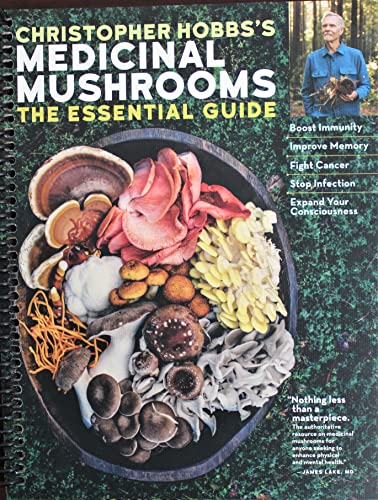
Christopher Hobbs's Medicinal Mushrooms: The Essential Guide: Boost Immunity, Improve Memory, Fight Cancer, Stop Infection, and Expand Your Consciousness: Hobbs L.Ac. AHG, Christopher
Christopher Hobbs, a mycologist and herbalist at the forefront of contemporary research, <strong>profiles the most powerful medicinal mushrooms and explains the nutritional and medicinal compounds in
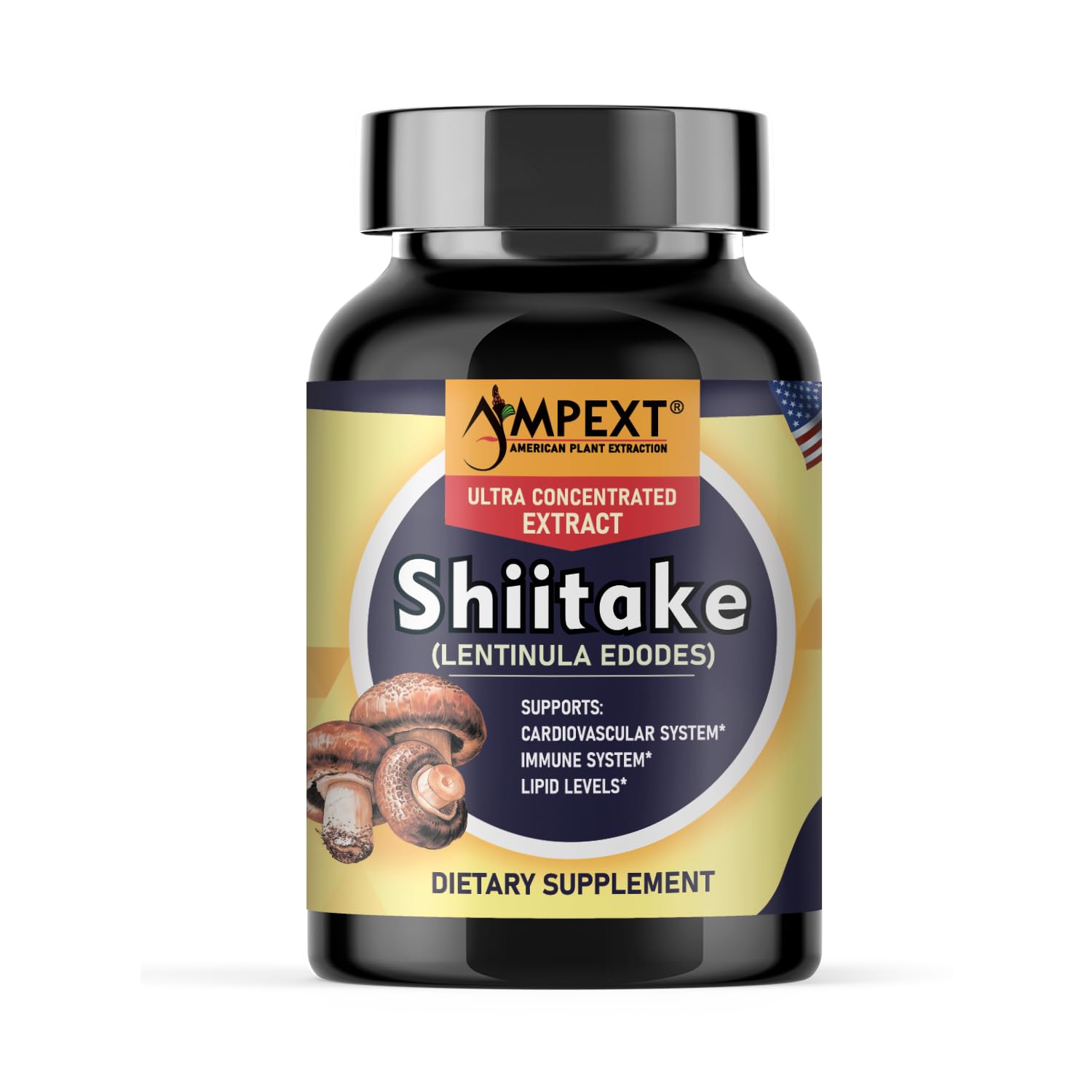
AMPEXT Shiitake Mushroom Extract - Premium Quality, Only Fruiting Bodies, Rich in Beta-Glucans, Vitamins & Minerals, Antioxidant Activity, Manages Lipid Profile, Supports Heart, 90 Veg Caps.
... Our extracts are <strong>made from fruiting bodies of the mushrooms using the most innovative extraction methods to ensure maximum potency and bioavailability of beneficial compounds</strong>.
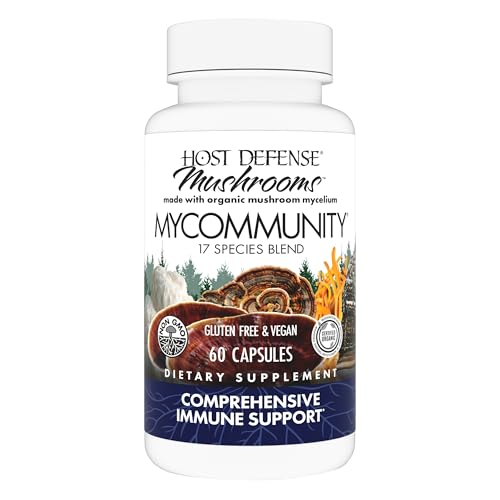
Host Defense MyCommunity Capsules - 17 Species Blend Mushroom Supplement for Immune Support - Herbal Aid with Lion's Mane, Reishi. Chaga, Cordyceps, Turkey Tail & More - 120 Capsules
Oyster Mushroom (Pleurotus ostreatus) mycelium/rice biomass, Artist's Conk (Ganoderma applanatum) mycelium/rice biomass, Oregon Ganoderma (Ganoderma oregonense) mycelium/rice biomass, Agarikon (f
Evidence & Sources
Promising research with growing clinical support from multiple studies
- Memorial Sloan Kettering Cancer Center: About Herbs
- National Center for Complementary and Integrative Health (NCCIH)
- Journal of the American College of Nutrition
- Molecules
- Food Chemistry
- International Journal of Medicinal Mushrooms
- Integrative Cancer Therapies
- Nutrients
This content is for informational purposes only and does not constitute medical advice. Always consult a qualified healthcare provider before starting, stopping, or changing any supplement or medication regimen.