

Shatavari
Also known as: Asparagus Racemosus
Overview
Shatavari (Asparagus racemosus) is an Ayurvedic botanical traditionally associated with women’s reproductive health, vitality, and hormonal balance, though it has also been used more broadly as a general restorative and digestive support herb. The root is the most commonly used part in traditional preparations, and modern supplements are typically sold as powders, capsules, extracts, or liquid formulations. In Ayurveda, shatavari is often described as a nourishing or rejuvenating herb, especially in contexts involving fertility, menstruation, menopause, and lactation.
From a contemporary research perspective, shatavari contains steroidal saponins, flavonoids, alkaloids, and antioxidant compounds that have drawn interest for potential effects on female reproductive physiology, menopausal symptoms, immune modulation, gastric protection, and lactation. Its traditional reputation as a “female tonic” has made it popular in integrative and wellness settings, although the scientific literature remains mixed and still developing for many of its most widely promoted uses.
Interest in shatavari has grown as more people seek plant-based approaches to hormonal and reproductive wellness. However, “hormone balance” is a broad wellness term rather than a precise medical diagnosis in conventional medicine. Studies suggest shatavari may have phytoestrogen-like activity or influence pathways relevant to reproductive tissues, but the clinical significance of these findings is not yet fully established. Research has also explored its role in breast milk production, with some studies indicating possible benefit, though study quality and consistency vary.
Overall, shatavari sits at the intersection of longstanding traditional use and emerging modern research. It is best understood as a traditional botanical with a meaningful historical role in Ayurveda and a growing, but not definitive, evidence base in modern medicine. As with any supplement, product quality, formulation differences, individual health status, pregnancy or breastfeeding considerations, and medication interactions are important factors to review with a qualified healthcare professional.
Medical Perspectives
Two Ways of Seeing Health

Western
scientific · clinical
Western medicine applies science, technology, and clinical experience to treat symptoms through testing, diagnosis, and targeted intervention.

Eastern
traditional · alternative
Eastern medicine focuses on treating the body naturally by applying traditional knowledge practiced for thousands of years, emphasizing balance and whole-person wellness.
Gold Bamboo presents both perspectives side-by-side so you can make informed decisions. We don't advocate for one over the other — your health choices are yours.
Western Medicine Perspective
Western Medicine Perspective
In conventional medicine, shatavari is viewed as an herbal supplement under investigation, rather than a standard therapy for hormonal disorders or reproductive conditions. Researchers have examined its phytochemistry and potential biologic actions, including antioxidant, anti-inflammatory, adaptogenic, gastroprotective, galactagogue, and possible estrogen-modulating effects. Much of the mechanistic evidence comes from laboratory and animal studies, which can help generate hypotheses but do not establish clinical effectiveness in humans.
Human research on shatavari is limited but growing. Small clinical studies have explored possible effects in areas such as menopausal symptoms, lactation support, and aspects of strength or metabolic health in midlife women. Some findings suggest potential benefits, particularly in reducing certain menopausal complaints or supporting milk production, but the studies are often small, short-term, heterogeneous, or based on combination products, making interpretation difficult. At present, major conventional guidelines do not treat shatavari as a first-line or universally endorsed intervention for endocrine or gynecologic conditions.
Safety data are also still developing. Shatavari is generally discussed as relatively well tolerated in traditional use, but rigorous long-term human safety data are limited. Because of its possible phytoestrogenic activity, caution is often noted in people with hormone-sensitive conditions, though the degree of risk has not been clearly defined. As with many supplements, there may also be concerns related to allergic reactions, gastrointestinal upset, adulteration, variability in active compounds, and interactions with medications. Conventional medicine emphasizes that symptoms involving menstrual irregularity, infertility, severe menopause symptoms, or endocrine concerns warrant appropriate medical evaluation rather than self-attribution to “hormone imbalance” alone.
Eastern & Traditional Perspective
Eastern / Traditional Medicine Perspective
In Ayurveda, shatavari is one of the most respected herbs for female reproductive nourishment, though its traditional use extends to both women and men. It is commonly classified as a rasayana (rejuvenative) herb and is traditionally used to support the reproductive system, menstrual regularity, fertility, menopausal transition, lactation, digestive comfort, and overall vitality. Classical Ayurvedic texts often associate shatavari with cooling, moistening, and building qualities, and it is frequently used where there is a pattern of depletion, heat, dryness, or irritation.
From the Ayurvedic framework, shatavari is often linked with support for rasa dhatu and shukra/artava dhatu—concepts related to nourishment, fluids, and reproductive tissues. It has traditionally been used in formulas intended to support menstrual balance, conception, postpartum recovery, and healthy breast milk production. It is also valued for calming excess pitta and supporting situations interpreted as nervous-system or tissue depletion. These traditional indications do not map directly onto modern biomedical diagnoses, but they help explain the herb’s longstanding role in women’s health traditions.
In broader traditional and integrative systems, including some forms of naturopathic and herbal medicine, shatavari is often described as a demulcent, adaptogenic, and reproductive tonic. Practitioners may discuss it in the context of stress-related depletion, dryness, digestive irritation, and transitional hormonal phases such as perimenopause. While these systems draw heavily on historical use and whole-person assessment, responsible traditional practice also recognizes the need for collaboration with conventional care when symptoms are persistent, severe, or medically complex.
Supplements & Products
Recommended Products
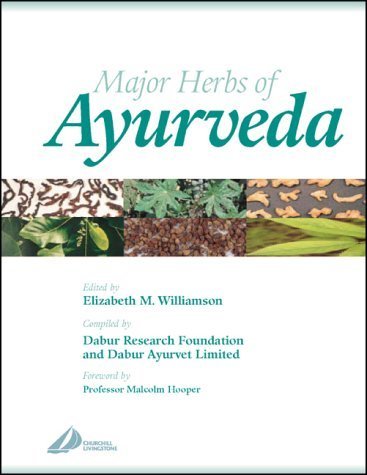
The Yoga of Herbs: An Ayurvedic Guide to Herbal Medicine: Frawley (Pandit Vamadeva Shastri), Dr. David, Lad, Dr. Vasant
The Yoga of Herbs: An Ayurvedic Guide to Herbal Medicine [Frawley (Pandit Vamadeva Shastri), Dr. David, Lad, Dr. Vasant] on Amazon.com. *FREE* shipping on qualifying offers. The Yoga of Herbs: An Ayur

Himalaya Organic Shatavari - Promotes Hormone Balance for Women and Menstrual Cramp Relief - USDA Organic, Vegan, Gluten Free, 1300 mg, 60 Caplets
Himalaya Organic Shatavari <strong>for PMS, Menstrual Cramp Relief, Menopause Support, and Women's Health</strong>, 1,300 mg, 60 Caplets, 2 Month Supply, 2 Pack ... ORGANIC INDIA Shatavari Herbal

Banyan Botanicals Shatavari Powder – Organic Asparagus Racemosus Root Powder – Rejuvenating Adaptogen Tonic That Supports a Healthy Reproductive System* – 1 lb. – Non-GMO Sustainably Sourced Vegan
Amazon.com: Banyan Botanicals Shatavari Powder – <strong>Organic Asparagus Racemosus Root Powder</strong> – Rejuvenating Adaptogen Tonic That Supports a Healthy Reproductive System* – 1 lb. – Non-GMO
Evidence & Sources
Early-stage research, mostly preclinical or preliminary human studies
- National Center for Complementary and Integrative Health (NCCIH)
- World Health Organization (WHO) Traditional Medicine materials
- Journal of Ethnopharmacology
- Phytotherapy Research
- Journal of Herbal Medicine
- BMC Complementary Medicine and Therapies
- Indian Journal of Medical Research
- Ayurveda and Integrative Medicine
- Frontiers in Pharmacology
This content is for informational purposes only and does not constitute medical advice. Always consult a qualified healthcare provider before starting, stopping, or changing any supplement or medication regimen.