

Selenium
Also known as: Se
Overview
Selenium is an essential trace mineral required in very small amounts, yet it plays an outsized role in human health. It is incorporated into a specialized group of proteins known as selenoproteins, which help regulate antioxidant defenses, thyroid hormone metabolism, immune function, reproduction, and cellular signaling. Because the body cannot produce selenium on its own, intake depends on diet or supplementation, with major food sources including seafood, meats, eggs, dairy, and Brazil nuts. Selenium content in plant foods can vary substantially depending on the selenium concentration of local soil.
Selenium is most widely discussed in relation to thyroid health and oxidative stress. The thyroid gland contains a relatively high concentration of selenium, where selenium-dependent enzymes help convert thyroxine (T4) into the more active hormone triiodothyronine (T3) and help protect thyroid tissue from oxidative damage generated during hormone production. Selenium is also a component of antioxidant enzymes such as glutathione peroxidases and thioredoxin reductases, which help neutralize reactive oxygen species and support cellular resilience.
In public health terms, both deficiency and excess matter. Selenium deficiency is uncommon in many developed countries but may occur in regions with selenium-poor soil, in people with malabsorption, in those receiving long-term parenteral nutrition without adequate trace minerals, or in certain chronic illnesses. Severe deficiency has historically been linked to conditions such as Keshan disease and Kaschin-Beck disease in low-selenium regions of China. At the same time, selenium has a relatively narrow therapeutic window; chronic high intake can lead to selenosis, with features such as gastrointestinal upset, brittle hair and nails, skin changes, and neurologic symptoms.
Interest in selenium supplementation has grown because of its associations with immune support, thyroid autoimmunity, fertility, and chronic disease prevention. Research suggests selenium status influences immune cell function and inflammatory signaling, but study findings are mixed when selenium is used broadly in otherwise well-nourished populations. Benefits appear more plausible in individuals with low selenium status or in specific clinical contexts, while indiscriminate high-dose use has not been consistently supported. As with many micronutrients, selenium appears to be most beneficial when correcting insufficiency rather than when taken in excess.
Medical Perspectives
Two Ways of Seeing Health

Western
scientific · clinical
Western medicine applies science, technology, and clinical experience to treat symptoms through testing, diagnosis, and targeted intervention.

Eastern
traditional · alternative
Eastern medicine focuses on treating the body naturally by applying traditional knowledge practiced for thousands of years, emphasizing balance and whole-person wellness.
Gold Bamboo presents both perspectives side-by-side so you can make informed decisions. We don't advocate for one over the other — your health choices are yours.
Western Medicine Perspective
Western / Conventional Medicine Perspective
From a conventional medicine standpoint, selenium is recognized as an essential micronutrient with clearly defined biological functions. Clinical and nutritional research has established its importance in antioxidant systems, thyroid hormone activation, and immune regulation. Standard medical evaluation generally focuses on whether selenium intake is adequate, whether deficiency risk is present, and whether symptoms or laboratory patterns suggest excess exposure. Conventional sources such as the National Institutes of Health Office of Dietary Supplements emphasize that selenium needs are small and that more is not necessarily better.
One of the most studied clinical areas is thyroid disease, particularly autoimmune thyroiditis such as Hashimoto’s thyroiditis. Some randomized trials and meta-analyses suggest selenium supplementation may reduce thyroid peroxidase antibody levels in certain populations, and may modestly affect subjective well-being in some cases. However, findings have not been uniform across studies, and major guidelines have generally not treated selenium as a universal standard therapy for thyroid disorders. Research also explores selenium in Graves’ orbitopathy, where some evidence has suggested benefit in mild disease, especially in selenium-insufficient settings.
Selenium has also been investigated for immune support, infection outcomes, cardiovascular disease, cancer prevention, and male fertility. Observational studies have associated low selenium status with poorer outcomes in some conditions, but intervention trials have often produced mixed or limited results. Notably, large prevention studies such as the SELECT trial did not confirm a broad cancer-preventive benefit from selenium supplementation in generally replete populations. Conventional medicine therefore tends to view selenium as valuable when deficiency exists or when a specific evidence-based indication is present, while remaining cautious about routine high-dose supplementation.
Safety is a major part of the western perspective. Selenium has a narrow margin between adequate intake and toxicity compared with many nutrients. Excess supplemental intake can lead to selenosis, and some studies have raised questions about possible associations between high selenium exposure and adverse metabolic outcomes in certain groups. For that reason, conventional practice generally emphasizes individualized assessment, attention to dietary intake, and discussion with a qualified healthcare professional before using supplements, especially in people with thyroid conditions, pregnancy, complex medical histories, or multiple supplement use.
Eastern & Traditional Perspective
Eastern / Traditional Medicine Perspective
In Traditional Chinese Medicine (TCM) and other classical healing systems, selenium is not described as a standalone concept in the way it is in modern nutritional science. Instead, its effects would generally be interpreted through broader patterns such as deficiency, depletion, constitutional weakness, impaired transformation of nutrients, or imbalance related to immune and endocrine function. A practitioner may view symptoms associated with low nutrient resilience through frameworks involving the Spleen, Kidney, and Lung systems, depending on the presentation. The emphasis is typically less on a single micronutrient and more on restoring balance through diet, constitution, digestion, energy regulation, and the person’s overall symptom pattern.
Within this lens, foods naturally containing selenium may be regarded as part of a nourishing dietary strategy rather than as isolated biochemical agents. Traditional approaches often value mineral-rich, protein-rich, and restorative foods for people experiencing fatigue, weakness, lowered resilience, or recovery from illness. Rather than framing selenium as an antioxidant in molecular terms, eastern systems may describe related goals as supporting vital energy, essence, adaptive strength, and recovery from internal depletion.
In Ayurveda, there is likewise no classical category for selenium itself, but its modern use may be interpreted through concepts such as dhatu nourishment, agni (digestive and metabolic capacity), and ojas (vital resilience). A practitioner might consider whether a person’s constitution, digestion, inflammatory tendencies, and stress load affect how well nutrients are absorbed and utilized. Naturopathic and integrative traditions often bridge these models with contemporary biochemistry, describing selenium as relevant to antioxidant protection, thyroid physiology, and immune balance while still emphasizing food quality, digestive health, and individualized context.
Across traditional and integrative systems, there is often openness to selenium as part of a broader plan for thyroid support, immune resilience, and recovery, especially where deficiency or depletion is suspected. At the same time, responsible traditional practice also recognizes that trace minerals can be excessive as well as insufficient. In modern integrative care, this usually leads to a balanced emphasis on professional assessment, appropriate dosing context, and coordination with conventional medical evaluation when thyroid disease or other complex conditions are involved.
Supplements & Products
Recommended Products
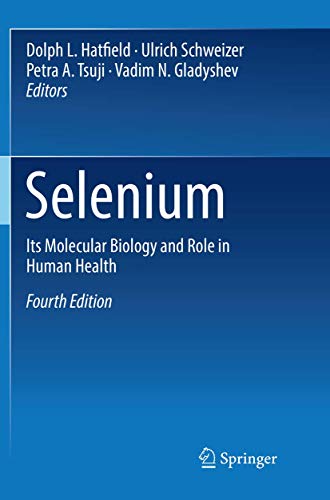
Selenium: Its Molecular Biology and Role in Human Health: Hatfield, Dolph L., Schweizer, Ulrich, Tsuji, Petra A., Gladyshev, Vadim N.
In the current edition, Selenium: Its Molecular Biology and Role in Human Health <strong>expands extensively on the previous editions providing readers with the most significant advances in the rapidl
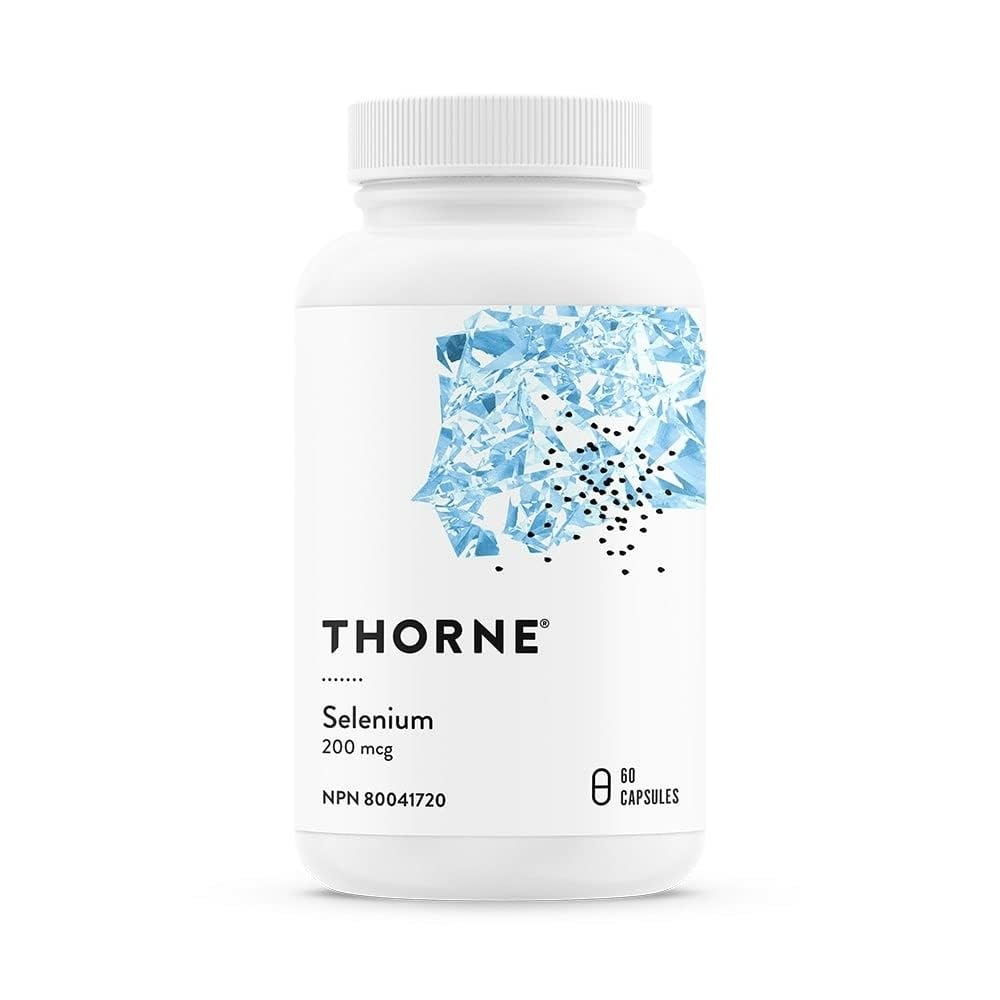
THORNE - Selenium - 200 mcg Selenium Supplement for Antioxidant Support* - 60 Capsules : Everything Else
One Capsule Contains: Selenium (as L-Selenomethionine) 200 mcg.

Life Extension Super Selenium Complex, 200 mcg – 3 Forms of Selenium, Vitamin E – Cellular Health & Longevity Support – Gluten-Free, Non-GMO, Vegetarian, 1 Daily – 100 Capsules
This once-daily selenium supplement <strong>combines vitamin E with three forms of selenium—50 mcg of L-selenomethionine, 50 mcg of sodium selenite, and 100 mcg of Se-Methyl L-Selenocysteine</strong>—
Evidence & Sources
Promising research with growing clinical support from multiple studies
- NIH Office of Dietary Supplements — Selenium Fact Sheet for Health Professionals
- National Center for Complementary and Integrative Health (NCCIH)
- World Health Organization (WHO) micronutrient and nutrition resources
- New England Journal of Medicine — Selenium and Vitamin E Cancer Prevention Trial (SELECT)
- The Lancet — research on selenium in mild Graves’ orbitopathy
- American Journal of Clinical Nutrition — selenium status and health outcomes
- Endocrine Reviews — selenium and thyroid disease
- Cochrane Database of Systematic Reviews — selenium for Hashimoto’s thyroiditis
This content is for informational purposes only and does not constitute medical advice. Always consult a qualified healthcare provider before starting, stopping, or changing any supplement or medication regimen.