

SAM-e
Also known as: S-Adenosyl Methionine, SAMe, S-Adenosyl-L-Methionine
Overview
SAM-e (short for S-adenosyl-L-methionine) is a compound naturally produced in the body from the amino acid methionine and ATP. It plays a central role in methylation, a fundamental biochemical process involved in neurotransmitter metabolism, gene regulation, cell membrane function, and detoxification pathways. In supplement form, SAM-e has been widely discussed for mood support, joint comfort, and liver health, and it is often marketed in the context of emotional wellness, mobility, and methylation balance.
Interest in SAM-e comes from its broad physiological relevance. Because it participates in the synthesis and regulation of substances such as serotonin, dopamine, norepinephrine, phospholipids, and glutathione-related pathways, researchers have explored whether supplemental SAM-e may influence conditions linked to these systems. Clinical literature has most often focused on depression, osteoarthritis, and certain liver disorders, though the quality and consistency of findings vary by indication.
In public health terms, SAM-e occupies an unusual place among supplements because it is both a naturally occurring molecule and the subject of a substantial, though mixed, body of medical research. Studies suggest potential benefits in some settings, particularly for depressive symptoms and osteoarthritis-related discomfort, but interpretation is complicated by differences in dosage forms, study quality, and duration. It is also important to note that SAM-e can interact with medications and may not be appropriate for everyone, especially in the setting of bipolar spectrum conditions or when combined with other agents that affect neurotransmitters.
From a safety and educational perspective, SAM-e is generally discussed as a biochemically active supplement rather than a simple nutrient. Its effects may depend on factors such as folate, vitamin B12, and homocysteine metabolism, as well as individual differences in mental health status and medication use. For that reason, reputable sources commonly emphasize that decisions about using SAM-e are best made with guidance from a qualified healthcare professional, particularly when mood symptoms, chronic liver disease, or ongoing prescription therapies are involved.
Medical Perspectives
Two Ways of Seeing Health

Western
scientific · clinical
Western medicine applies science, technology, and clinical experience to treat symptoms through testing, diagnosis, and targeted intervention.

Eastern
traditional · alternative
Eastern medicine focuses on treating the body naturally by applying traditional knowledge practiced for thousands of years, emphasizing balance and whole-person wellness.
Gold Bamboo presents both perspectives side-by-side so you can make informed decisions. We don't advocate for one over the other — your health choices are yours.
Western Medicine Perspective
Western Medicine Perspective
In conventional medicine, SAM-e is understood primarily as an endogenous methyl donor involved in one-carbon metabolism. It contributes methyl groups to numerous reactions throughout the body, influencing the metabolism of neurotransmitters, phospholipids, proteins, and nucleic acids. This biochemical role provides the theoretical basis for studying SAM-e in major depressive disorder, osteoarthritis, and hepatic conditions such as cholestasis or liver dysfunction. Researchers have also examined its relationship to homocysteine pathways and nutritional cofactors including folate and vitamin B12.
For depression, some clinical trials and systematic reviews suggest that SAM-e may have antidepressant effects, either alone or as an adjunct in some patients. However, findings are not uniformly consistent, and study limitations include small sample sizes, heterogeneity in formulations, and varying methodological quality. A key concern in psychiatric settings is that SAM-e may precipitate anxiety, agitation, or manic symptoms in susceptible individuals, particularly those with bipolar disorder. Because of this, conventional sources typically frame SAM-e as a compound requiring careful evaluation rather than a casual wellness product.
For osteoarthritis, studies have explored whether SAM-e may help support joint function and comfort, with some evidence suggesting outcomes comparable to certain standard approaches in select trials. Even so, onset of effect may differ from conventional analgesics, and not all studies show the same degree of benefit. In liver health, SAM-e has been investigated for its role in hepatic methylation and glutathione-related processes, especially in cholestatic states and alcohol-related liver stress, but evidence is more mixed and condition-specific than broad marketing claims often imply.
From a safety standpoint, conventional medicine recognizes SAM-e as potentially associated with gastrointestinal upset, insomnia, restlessness, sweating, headache, and drug interactions. Caution is commonly discussed with antidepressants, serotonergic medications, stimulants, and other agents that influence central nervous system chemistry. Product stability and enteric-coated formulations have also been relevant in research and commercial quality discussions. Overall, western medicine views SAM-e as a biologically plausible supplement with meaningful clinical interest, but one that warrants context, screening, and professional oversight.
Eastern & Traditional Perspective
Eastern and Traditional Medicine Perspective
SAM-e does not occupy a classical role in major traditional medical systems in the way that long-used herbs or mineral preparations do. Traditional Chinese Medicine (TCM), Ayurveda, and many naturopathic frameworks do not historically describe health through the biochemical concept of methyl donation. Instead, they interpret mood, mobility, and liver-related concerns through broader patterns of balance and dysfunction. As a result, SAM-e is often incorporated into modern integrative practice as a biomedical supplement, while the condition it is being used for may still be understood through traditional diagnostic frameworks.
In TCM, concerns such as low mood may be interpreted through patterns involving Liver qi stagnation, Heart and Spleen deficiency, or disturbances of the Shen. Joint discomfort may be described in relation to Bi syndrome, often involving wind, cold, dampness, or underlying deficiency. Liver-related symptoms are viewed less as isolated organ pathology and more as part of systemic imbalance involving qi flow, blood, dampness, and heat. Within this model, a compound like SAM-e may be seen as adjunctive in an integrative setting, but not as a substitute for pattern-based assessment using traditional methods.
In Ayurveda, emotional resilience, digestion, tissue nourishment, and detoxification are interpreted through concepts such as dosha balance, agni, ama, and the health of the mind-body system. Depressive symptoms may be associated with kapha imbalance, vata disturbance, or depletion of mental clarity and vitality, while joint stiffness and liver burden are understood within broader constitutional and metabolic patterns. SAM-e itself is not a classical Ayurvedic substance, but some integrative practitioners discuss it in relation to modern understandings of metabolism, nervous system function, and cellular health.
In naturopathic and integrative medicine, SAM-e is more commonly framed as support for methylation, neurotransmitter balance, liver biochemistry, and connective tissue function. This perspective often attempts to bridge traditional whole-person assessment with modern laboratory and biochemical models. Even within these systems, however, educational resources typically note the importance of individualized assessment, especially because mood disorders, liver disease, and medication interactions can make self-directed use inappropriate.
Supplements & Products
Recommended Products
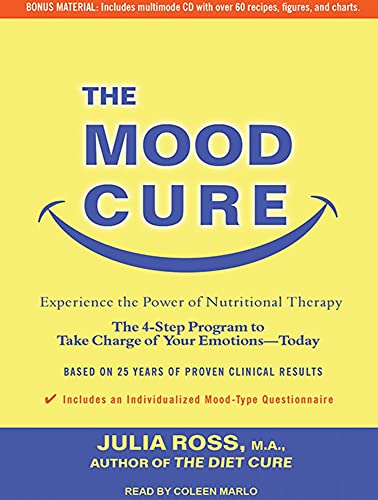
The Mood Cure: The 4-Step Program to Take Charge of Your Emotions-Today: Julia Ross
Toxic, 2nd Edition: Heal Your Body from Mold Toxicity, Lyme Disease, Multiple Chemical Sensitivities, and Chronic Environmental Illness ... A Guide to Amino Acid and Protein Nutrition: Essential Amino
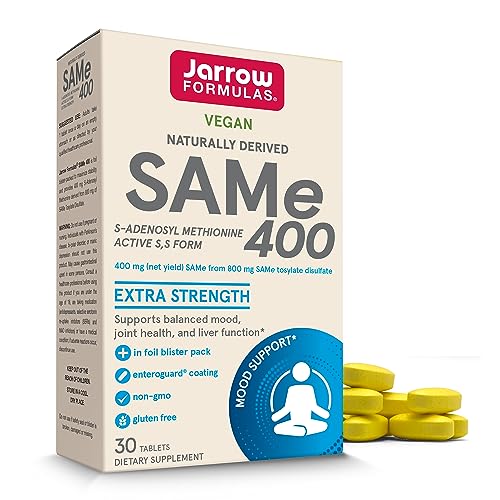
Jarrow Formulas SAMe Supplement 400 mg - 30 Tablets - High Concentration of Active S,S Form - Supports Joint Health, Liver Function, Brain Metabolism, Balanced Mood & Antioxidant Defense - 30 Servings
Doctor's Best SAM-e 400 mg, <strong>Vegan, Gluten Free, Soy Free, Mood and Joint Support, 60 Enteric Coated Tablets</strong>

SAM-e 200mg Daily Supplement - Vegan, Kosher, Non-GMO, Soy Free, Gluten Free - 60 Enteric Coated Tablets - Cold Form Blister Packed - by Nature’s Trove
Do not use if blister foil is punctured or appears in any way to have been tampered with. Supports Mood Health & Emotional Wellbeing, Joint Flexibility & Mobility, Liver Health · S-Adenosylmet
Evidence & Sources
Promising research with growing clinical support from multiple studies
- National Center for Complementary and Integrative Health (NCCIH)
- NIH Office of Dietary Supplements
- Agency for Healthcare Research and Quality (AHRQ)
- Cochrane Database of Systematic Reviews
- American Journal of Psychiatry
- The Journal of Clinical Psychiatry
- BMC Musculoskeletal Disorders
- Liver International
This content is for informational purposes only and does not constitute medical advice. Always consult a qualified healthcare provider before starting, stopping, or changing any supplement or medication regimen.