

Saccharomyces boulardii
Also known as: S. boulardii, Florastor Yeast Probiotic
Overview
Saccharomyces boulardii is a non-pathogenic yeast widely used as a probiotic supplement for digestive support. Unlike many bacterial probiotics, it is a yeast strain, which makes it distinctive in both its biological behavior and its clinical use. It is most often discussed in relation to diarrhea, antibiotic-associated digestive disruption, traveler’s diarrhea, and broader efforts to support gut microbial balance. Because it is not a bacterium, it is generally less affected by antibiotics than many bacterial probiotic strains, which has made it a frequent subject of interest during and after antibiotic exposure.
Research has examined S. boulardii in several gastrointestinal settings. Studies suggest it may help support the intestinal barrier, influence immune signaling in the gut, and reduce the impact of certain pathogens or their toxins. It has been investigated for acute infectious diarrhea, antibiotic-associated diarrhea, Clostridioides difficile-related recurrence risk, and some symptoms associated with functional or inflammatory gut conditions. At the same time, effects can vary depending on the population studied, the dose and formulation used, and the specific health outcome being measured.
From a safety standpoint, S. boulardii is generally considered well tolerated in healthy individuals, but important cautions exist. Because it is a live yeast, conventional medical literature notes rare cases of fungemia or invasive infection, especially in people who are critically ill, immunocompromised, hospitalized, or using central venous catheters. For this reason, its use is often discussed with additional caution in medically complex populations. As with other probiotics, product quality, strain identity, and storage conditions can influence real-world outcomes.
Its growing popularity reflects a broader interest in the gut microbiome and the role of supportive therapies in digestive resilience. While Saccharomyces boulardii is often marketed for gut balance, the strongest evidence tends to center on specific diarrhea-related applications rather than generalized wellness claims. A balanced view recognizes that it is one of the better-studied probiotic yeasts, but not a universal solution, and its role is best understood in context of the individual’s health status and alongside guidance from a qualified healthcare professional.
Medical Perspectives
Two Ways of Seeing Health

Western
scientific · clinical
Western medicine applies science, technology, and clinical experience to treat symptoms through testing, diagnosis, and targeted intervention.

Eastern
traditional · alternative
Eastern medicine focuses on treating the body naturally by applying traditional knowledge practiced for thousands of years, emphasizing balance and whole-person wellness.
Gold Bamboo presents both perspectives side-by-side so you can make informed decisions. We don't advocate for one over the other — your health choices are yours.
Western Medicine Perspective
Western Medicine Perspective
In conventional medicine, Saccharomyces boulardii is viewed as a strain-specific probiotic yeast with potential clinical utility in selected gastrointestinal conditions. The western framework focuses on measurable outcomes such as reduction in diarrhea duration, lower rates of antibiotic-associated diarrhea, decreased recurrence of certain infections, and modulation of inflammatory or barrier-related processes in the intestine. Proposed mechanisms include secretion of factors that may interfere with pathogen adhesion or toxin activity, support of intestinal epithelial integrity, and effects on mucosal immune responses.
Among its best-studied uses, evidence from randomized trials and meta-analyses suggests benefit in preventing antibiotic-associated diarrhea and offering support in some cases of acute diarrhea. It has also been studied in the context of traveler’s diarrhea prevention and recurrent C. difficile infection, with some analyses indicating possible benefit, though results are not uniform across all studies or patient groups. Professional society guidance on probiotics remains cautious: some organizations acknowledge potential benefit in limited settings, while others emphasize inconsistent product quality, heterogeneity across studies, and the need to distinguish one organism and indication from another rather than treating “probiotics” as a single category.
Safety considerations are an important part of the western medical view. Although generally well tolerated in many adults, S. boulardii is not considered risk-free. Case reports and hospital-based literature document rare but serious complications such as Saccharomyces fungemia, particularly in people with severe illness, impaired immunity, compromised gut barriers, or indwelling vascular lines. Conventional medicine therefore tends to frame S. boulardii as a potentially useful adjunct in selected circumstances, but one that requires attention to patient-specific risk, product quality, and the limits of the evidence base.
Eastern & Traditional Perspective
Eastern / Traditional Medicine Perspective
In Traditional Chinese Medicine (TCM) and Ayurveda, Saccharomyces boulardii is not a classical traditional substance, so it does not have the same historical materia medica status as herbs, foods, or mineral preparations. However, modern integrative practitioners often interpret its role through traditional concepts of digestive resilience. In TCM-style thinking, digestive symptoms such as loose stools, bloating, and post-illness weakness are often understood through patterns involving the Spleen and Stomach, impaired transformation and transportation, or dampness affecting the intestines. Within that framework, a probiotic yeast may be viewed as a contemporary supportive tool for restoring internal balance rather than as a direct analogue to a traditional herb.
In Ayurvedic interpretation, digestive imbalance may be described in terms of agni (digestive fire), ama (accumulated metabolic residue), and disturbances in doshic balance, particularly Vata in the colon and sometimes Pitta when inflammation or infection-like symptoms are prominent. Integrative Ayurvedic practitioners may discuss microbiome support, including probiotics, as complementary to broader efforts that traditionally emphasize digestion, assimilation, and intestinal stability. The emphasis is typically not on the yeast as a stand-alone answer, but on how it may fit into a larger picture of digestive restoration.
In naturopathic and integrative medicine, S. boulardii is often regarded as a targeted microbiome-support supplement, especially in contexts involving antibiotic disruption or diarrhea-prone states. This perspective commonly highlights terrain, mucosal integrity, and host-microbe balance. Even within these systems, however, its use is usually framed as individualized and context dependent, particularly because digestive complaints can arise from many different causes. Traditional and integrative frameworks generally place equal importance on identifying the pattern of imbalance, supporting digestive function overall, and recognizing when conventional medical evaluation is appropriate.
Supplements & Products
Recommended Products

The Good Gut: Taking Control of Your Weight, Your Mood, and Your Long-term Health: Sonnenburg, Justin, Sonnenburg, Erica, Weil M.D., Andrew
Lucky for us, they are willing ... Stanford researchers and authors Justin and Erica Sonnenburg <strong>explain some of the mysteries of the invisible world inside us</strong>....

Florastor Daily Probiotic Supplement for Women and Men, Use with Antibiotics, Saccharomyces Boulardii CNCM I-745 (20 Capsule, Pack of 2)
Saccharomyces boulardii lyo CNCM I-745 is shown to help boost your body’s natural production of IgA – an important antibody in your digestive system that helps fight off potentially harmful bacteria.
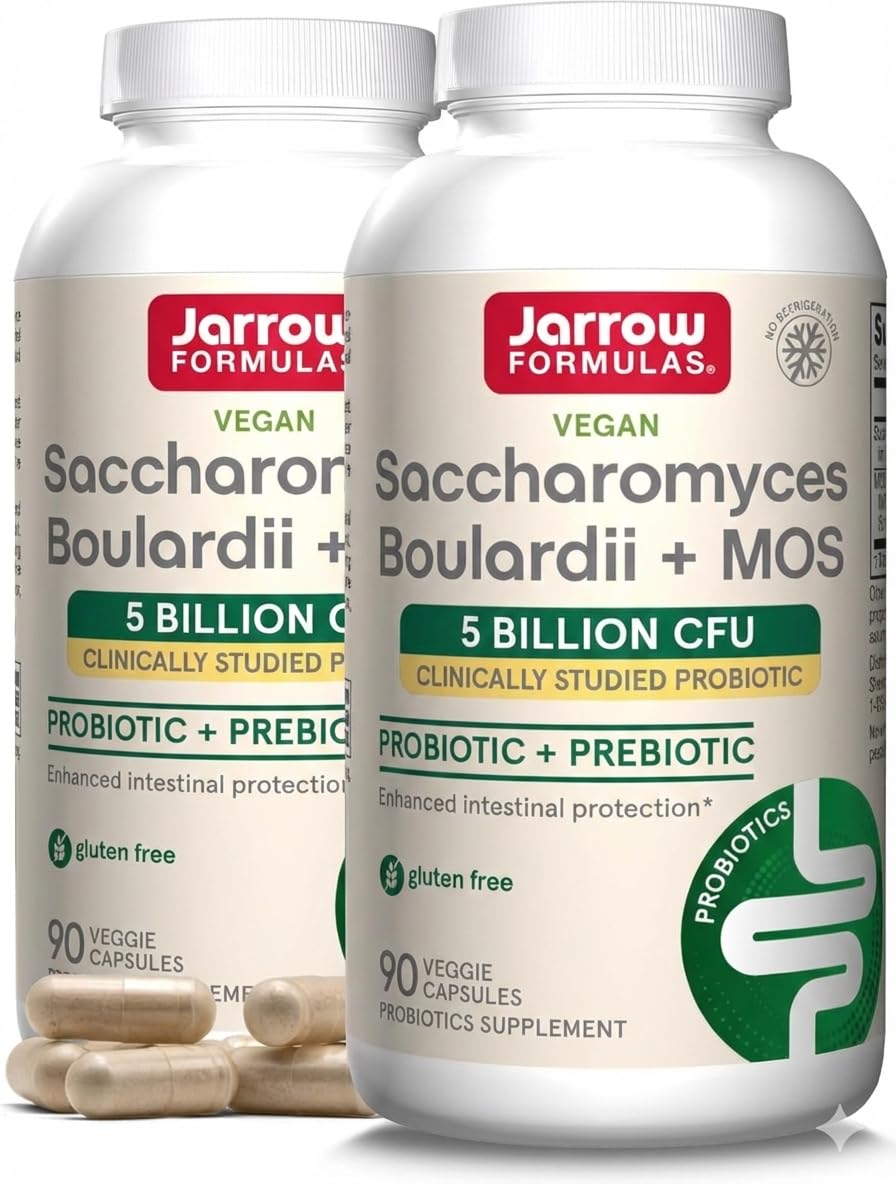
Jarrow Formulas Saccharomyces Boulardii + MOS Probiotics for Digestive Health and Intestinal Tract Support - 5 Billion CFU Per Serving - 90 Delayed Release Caps - Probiotic + Prebiotic - 90 Servings
<strong>Each capsule delivers 5 billion CFU of Saccharomyces boulardii, a probiotic yeast shown to help support gut health and the intestinal tract</strong>.(1) This supplement also provides MOS (mann
Evidence & Sources
Promising research with growing clinical support from multiple studies
- National Center for Complementary and Integrative Health (NCCIH)
- World Gastroenterology Organisation Global Guidelines on Probiotics and Prebiotics
- Clinical Infectious Diseases
- World Journal of Gastroenterology
- Alimentary Pharmacology & Therapeutics
- Gut Microbes
- The American Journal of Gastroenterology
- The Cochrane Database of Systematic Reviews
This content is for informational purposes only and does not constitute medical advice. Always consult a qualified healthcare provider before starting, stopping, or changing any supplement or medication regimen.