

Resveratrol
Also known as: Trans-Resveratrol, Resveritrol
Overview
Resveratrol is a naturally occurring polyphenol found in grapes, red wine, peanuts, berries, and several medicinal plants, including Polygonum cuspidatum (Japanese knotweed), a common commercial source of supplemental resveratrol. It has attracted broad scientific and public interest because of its antioxidant, anti-inflammatory, and cell-signaling effects in laboratory research. Much of its popularity comes from discussions around healthy aging, cardiovascular support, and cellular resilience, especially after early studies suggested it might influence pathways involved in stress response and longevity, including sirtuins, AMP-activated protein kinase (AMPK), and mitochondrial function.
In human health discussions, resveratrol is often positioned as a supplement for heart health, metabolic function, and protection from age-related cellular stress. Interest increased in part because of the so-called “French paradox,” a hypothesis proposing that certain wine-associated polyphenols might help explain lower-than-expected rates of cardiovascular disease in some populations despite higher dietary fat intake. However, modern research treats this idea cautiously. Resveratrol is now studied less as a simple antioxidant and more as a bioactive compound that may affect inflammation, endothelial function, glucose regulation, and gene expression. Even so, translating promising laboratory findings into consistent human outcomes has been challenging.
One important reason is that resveratrol has limited oral bioavailability. Although it is absorbed, it is rapidly metabolized in the body, and blood levels of unchanged resveratrol are typically low after oral intake. This has complicated research, because effects seen in cell and animal models at relatively high concentrations may not occur in the same way in humans. Clinical studies have examined resveratrol across a wide range of doses and populations, including adults with metabolic syndrome, type 2 diabetes, obesity, cardiovascular risk factors, and age-related concerns, but results remain mixed.
Overall, resveratrol occupies an interesting middle ground in integrative health: it is biologically plausible and scientifically active, but not conclusively established for most of the broad claims often made around longevity or disease prevention. Current evidence suggests potential relevance for vascular function, inflammatory signaling, and some aspects of metabolic health, while stronger claims about anti-aging effects in humans remain unconfirmed. As with many plant compounds, its role is best understood as part of a wider discussion about diet, physiology, and individualized health context rather than as a stand-alone solution.
Medical Perspectives
Two Ways of Seeing Health

Western
scientific · clinical
Western medicine applies science, technology, and clinical experience to treat symptoms through testing, diagnosis, and targeted intervention.

Eastern
traditional · alternative
Eastern medicine focuses on treating the body naturally by applying traditional knowledge practiced for thousands of years, emphasizing balance and whole-person wellness.
Gold Bamboo presents both perspectives side-by-side so you can make informed decisions. We don't advocate for one over the other — your health choices are yours.
Western Medicine Perspective
Western Medicine Perspective
From a conventional biomedical perspective, resveratrol is studied as a phytochemical with multiple potential mechanisms. Preclinical research suggests it may modulate oxidative stress, inflammatory pathways, endothelial nitric oxide production, platelet activity, insulin signaling, and cellular energy metabolism. These findings have made it a frequent subject in cardiovascular, metabolic, and aging research. Investigators have also examined whether resveratrol influences molecular pathways associated with caloric restriction and cellular repair, though these effects are far more consistently observed in laboratory models than in human clinical settings.
In clinical research, the most commonly explored areas include cardiovascular health, glucose metabolism, and cognitive or aging-related outcomes. Some studies indicate modest improvements in endothelial function, blood pressure-related measures, inflammatory markers, insulin sensitivity, or glycemic control in selected populations. Other trials, however, have found little or no significant benefit, particularly when resveratrol is studied in healthy adults or when endpoints are broader and harder to influence over short periods. Systematic reviews generally describe the evidence as promising but inconsistent, with major variability in dose, formulation, duration, and study population.
Conventional medicine also notes several practical limitations. First, bioavailability is low, and there is ongoing debate about whether metabolites contribute meaningfully to biological effects. Second, supplements vary widely in purity and formulation. Third, while resveratrol is generally regarded as well tolerated at commonly studied doses, gastrointestinal symptoms and potential interactions with medications affecting blood clotting, liver metabolism, or blood sugar regulation are discussed in the literature. For these reasons, mainstream medicine does not currently view resveratrol as an established therapy for cardiovascular disease, diabetes, dementia, or aging, though it remains an active area of nutrition and translational research.
In summary, western medicine considers resveratrol a promising investigational supplement with credible mechanistic rationale but limited consensus clinical utility. Research continues, especially around cardiometabolic health and healthy aging biomarkers, but current evidence does not support broad conclusions that it meaningfully extends lifespan or prevents major chronic disease in humans.
Eastern & Traditional Perspective
Eastern and Traditional Medicine Perspective
In Traditional Chinese Medicine (TCM), resveratrol is not a classical concept in itself, but its major botanical source in supplements, Japanese knotweed (Hu Zhang, Polygonum cuspidatum), has a long history of use. Traditionally, Hu Zhang has been used to invigorate blood, clear heat, resolve toxicity, and address patterns involving stagnation, inflammation, or traumatic injury. From a modern integrative viewpoint, resveratrol is sometimes interpreted as one of several active constituents that may help explain why this plant has drawn interest for circulation, inflammatory balance, and tissue protection. TCM, however, generally evaluates herbs by pattern differentiation and whole-herb energetics rather than by a single isolated molecule.
In Ayurvedic and broader traditional herbal frameworks, there is likewise no ancient category specifically for resveratrol, but there is a longstanding emphasis on plant compounds that support healthy aging, circulation, resilience to stress, and balance of inflammatory processes. Polyphenol-rich plants are often appreciated in traditional systems for their role in preserving tissue integrity and supporting adaptation over time. In this context, resveratrol is sometimes discussed as a modern phytochemical that aligns conceptually with traditional goals related to rasayana-like rejuvenation, metabolic balance, and protection from accumulated stressors, though this comparison is interpretive rather than classical.
Naturopathic and integrative medicine perspectives often place resveratrol within a broader strategy focused on oxidative stress modulation, cardiovascular wellness, and healthy aging. Rather than treating it as a singular answer, these traditions commonly view it as one potentially useful compound among many dietary polyphenols that may work through overlapping pathways. This is consistent with the idea that botanical medicine often depends on synergy, context, and long-term lifestyle foundations.
Across eastern and traditional perspectives, an important distinction remains: traditional systems typically emphasize whole plants, formulas, constitution, and pattern-based assessment, whereas resveratrol is most often used in modern practice as an isolated extract standardized for convenience and research. That means historical traditional use supports interest in relevant plants and functions, but does not automatically validate modern supplement claims about longevity or disease prevention.
Supplements & Products
Recommended Products
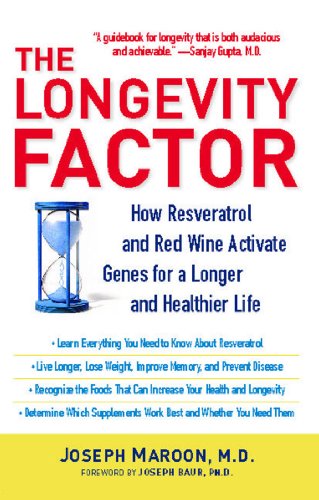
The Longevity Factor: How Resveratrol and Red Wine Activate Genes for a Longer and Healthier Life: Maroon, Joseph Joseph
A groundbreaking examination of ... much-publicized molecule resveratrol -- that <strong>can actually activate a specific set of genes in humans that promote a longer, healthier life</strong>....

Life Extension Optimized Resveratrol, 90 Vegetarian Capsules
Ingredients: Trans-resveratrol 250 mg [from Japanese knotweed (root)], Quercetin (as quercetin dihydrate) 150 mg, Grape (fruit) and wild blueberry (fruit) blend 85 mg [providing polyphenols, anthocyan
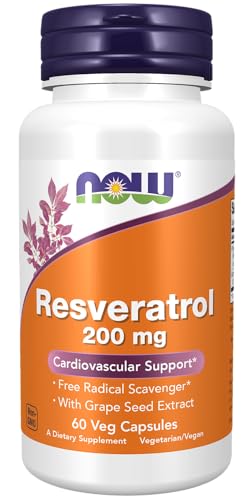
NOW Supplements, Natural Resveratrol 200 mg with Red Wine Extract, 120 Veg Capsules
Polygonum cuspidatum Extract ... for Polyphenols) 10 mg† Other Ingredients: <strong>Cellulose (capsule), Cellulose Powder, Magnesium Stearate (vegetable source) and Silica</strong>....
Evidence & Sources
Promising research with growing clinical support from multiple studies
- National Center for Complementary and Integrative Health (NCCIH)
- National Institutes of Health Office of Dietary Supplements (NIH ODS)
- Annals of the New York Academy of Sciences
- Cell
- Nature
- The American Journal of Clinical Nutrition
- Nutrients
- Mayo Clinic Proceedings
This content is for informational purposes only and does not constitute medical advice. Always consult a qualified healthcare provider before starting, stopping, or changing any supplement or medication regimen.