

Red Yeast Rice
Also known as: Monascus Purpureus, Hong Qu
Overview
Red yeast rice is a fermented rice product made by culturing rice with the yeast Monascus purpureus. It has a long history in East Asia as both a food ingredient and a traditional health substance, and in modern supplement use it is most often discussed in relation to cardiovascular health and cholesterol management. Its modern popularity stems largely from the fact that some red yeast rice preparations naturally contain monacolins, including monacolin K, a compound chemically identical to the prescription drug lovastatin.
Interest in red yeast rice reflects a broader trend toward “natural” approaches to metabolic and heart health. However, the topic is more complex than many consumers realize. Commercial red yeast rice products can vary substantially in their monacolin content, and some may contain very little active compound while others contain amounts more comparable to low-dose pharmaceutical exposure. Quality and safety are also important considerations because some products have been found to contain citrinin, a mycotoxin associated with kidney toxicity.
Research suggests that certain standardized red yeast rice preparations can help lower LDL cholesterol and total cholesterol in some populations. At the same time, because its active compounds can act in statin-like ways, red yeast rice may carry some of the same concerns associated with statin therapy, including the potential for muscle-related side effects, liver enzyme elevations, and drug interactions. Regulatory treatment also differs by country, especially when monacolin levels are high enough to resemble a drug rather than a conventional dietary supplement.
From a practical and educational standpoint, red yeast rice sits at the intersection of traditional medicine, functional food, and pharmacology. That makes it a notable example of how a traditional fermented substance can become a subject of modern lipid research while also raising questions about standardization, manufacturing quality, and informed use. Consultation with a qualified healthcare professional is important, particularly for people with cardiovascular risk factors, liver concerns, or those taking other medications.
Medical Perspectives
Two Ways of Seeing Health

Western
scientific · clinical
Western medicine applies science, technology, and clinical experience to treat symptoms through testing, diagnosis, and targeted intervention.

Eastern
traditional · alternative
Eastern medicine focuses on treating the body naturally by applying traditional knowledge practiced for thousands of years, emphasizing balance and whole-person wellness.
Gold Bamboo presents both perspectives side-by-side so you can make informed decisions. We don't advocate for one over the other — your health choices are yours.
Western Medicine Perspective
Western Medicine Perspective
In conventional medicine, red yeast rice is primarily understood through its effects on lipid metabolism. The best-studied mechanism involves inhibition of HMG-CoA reductase, the same liver enzyme targeted by statin medications. Because monacolin K is chemically identical to lovastatin, western researchers generally evaluate red yeast rice not simply as a generic botanical supplement, but as a product whose effects depend heavily on the amount of active monacolins present. Studies indicate that some formulations can reduce LDL cholesterol, which explains why red yeast rice is frequently discussed as a nonprescription option for people interested in cholesterol support.
At the same time, conventional medicine emphasizes the challenges of product inconsistency. Analyses of commercially available supplements have found wide variation in monacolin content, making effects difficult to predict. Safety concerns also center on contamination with citrinin, as well as adverse effects similar to those seen with statins, such as myalgia, rare muscle injury, and possible hepatic effects. Drug interaction concerns are also relevant, particularly with medicines that affect liver metabolism. For these reasons, many clinicians and regulatory agencies view red yeast rice as a supplement that may have real physiologic activity but requires careful scrutiny rather than assuming it is inherently gentler because it is “natural.”
Clinical evidence is strongest for cholesterol lowering, while evidence for broader cardiovascular outcome benefits is more limited and often depends on specific proprietary preparations studied in particular populations. In western practice, discussion often focuses on whether a given product is standardized, what the actual monacolin dose may be, and how risks compare with conventional lipid-lowering therapy. Anyone considering red yeast rice in the context of high cholesterol or cardiovascular risk would generally be advised to discuss that decision with a licensed healthcare provider, especially if already using statins, anticoagulants, or other chronic medications.
Eastern & Traditional Perspective
Eastern and Traditional Medicine Perspective
In Traditional Chinese Medicine (TCM), red yeast rice is known as hong qu or related regional names and has traditionally been used both as a food substance and as a material valued for supporting circulation and digestion. Classical and traditional usage has not been framed in terms of LDL particles or enzyme inhibition; instead, it has been associated with patterns involving food stagnation, impaired digestive transformation, and blood-related imbalance. In this context, red yeast rice has historically been incorporated into dietary and herbal approaches intended to support overall metabolic harmony.
Traditional East Asian perspectives often interpret heart and vessel health through broader systemic patterns rather than isolated biomarkers. A substance like red yeast rice may therefore be viewed as relevant when there is a need to support the movement of blood, assist digestive processing of rich foods, or maintain balance after dietary excess. This framework differs substantially from modern pharmacologic language, though modern interest in cholesterol support has led to a bridge between traditional use and biochemical investigation.
In other traditional and integrative systems, including some naturopathic and food-as-medicine approaches, red yeast rice is often regarded as a fermented functional food with potential relevance to metabolic and cardiovascular wellness. These traditions may place added emphasis on the role of fermentation, constitution, digestion, and whole-diet context. However, even within integrative practice, contemporary discussion increasingly acknowledges that red yeast rice is not merely a passive traditional food product; it may exert drug-like effects in some preparations. As a result, traditional use is often discussed alongside modern concerns about standardization, contaminants, and suitability for the individual, ideally with guidance from a qualified practitioner familiar with both herbal traditions and medication safety.
Supplements & Products
Recommended Products
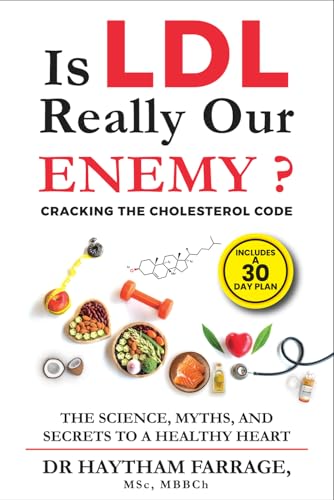
The Great Cholesterol Myth, Revised and Expanded: Why Lowering Your Cholesterol Won't Prevent Heart Disease-and the Statin-Free Plan that Will - National Bestseller: Bowden, Jonny, Sinatra M.D. F.A.C.C C.N.S., Stephen T.
Best-selling health authors Jonny ... readers <strong>a four-part strategy based on the latest studies and clinical findings for effectively preventing, managing, and reversing heart disease, focusing
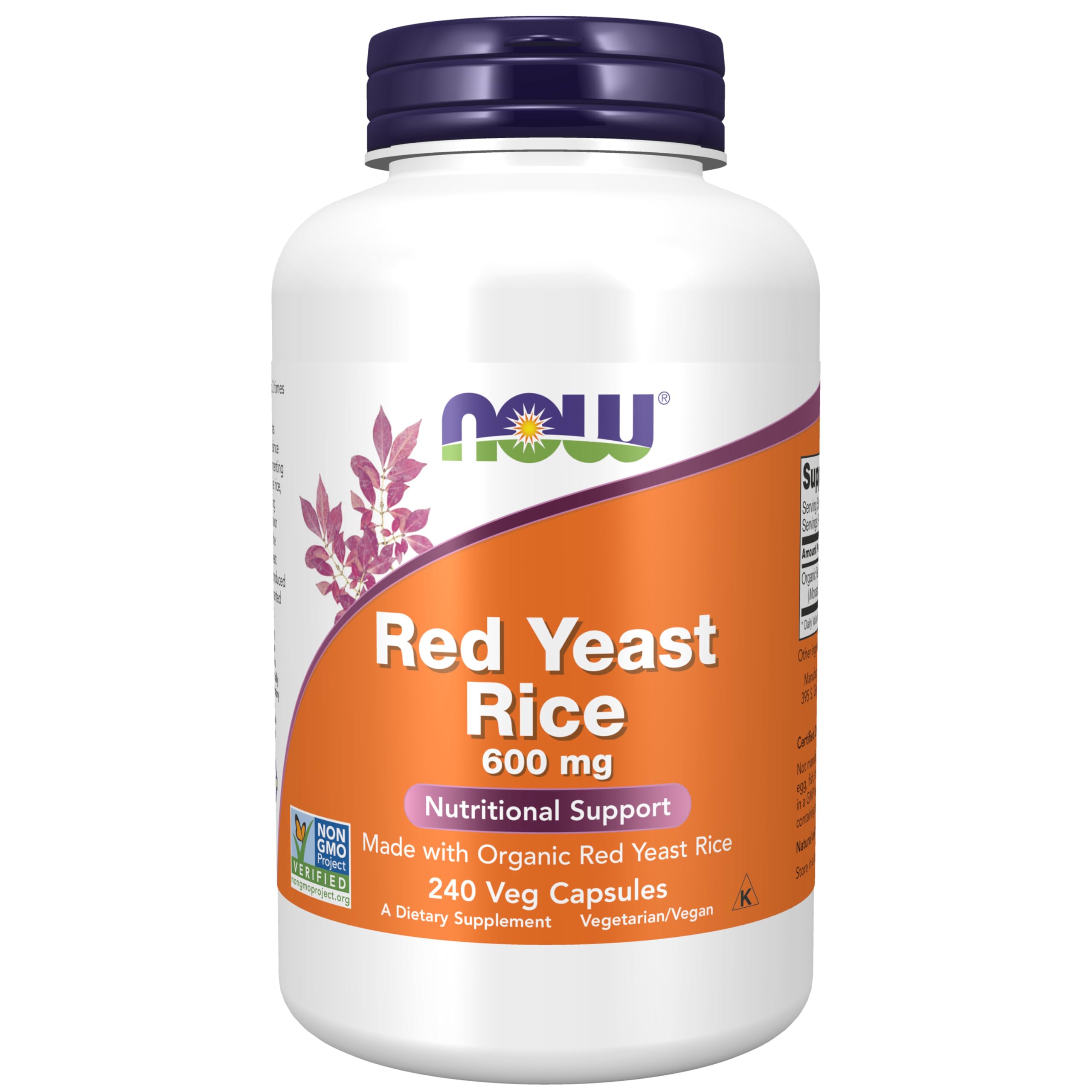
NOW Supplements, Red Yeast Rice 600 mg, Made with Organic Red Yeast Rice, 240 Veg Capsules
Buy NOW Supplements, Red Yeast Rice 600 mg, Made with Organic Red Yeast Rice, 240 Veg Capsules on Amazon.com ✓ FREE SHIPPING on qualified orders

Jarrow Formulas Red Yeast Rice 1200 mg & CoQ10 100 mg Per Serving - 120 Veggie Caps, 60 Servings - Herbal Heart Health Dietary Supplement - Supports Cardiovascular & Cellular Health - Vegan
Red Yeast Rice with CoQ10 Supplement | Healthy Cholesterol Levels & Heart Health Support | Extra Strength Red Yeast Rice 1200 MG (600 MG Per Capsule) with Monakolin K | No Citrinin, Non-GMO | 120
Evidence & Sources
Promising research with growing clinical support from multiple studies
- National Center for Complementary and Integrative Health (NCCIH)
- European Food Safety Authority (EFSA)
- American Heart Association journals
- Mayo Clinic Proceedings
- Archives of Internal Medicine
- The American Journal of Cardiology
- Journal of the American College of Cardiology
- British Journal of Clinical Pharmacology
This content is for informational purposes only and does not constitute medical advice. Always consult a qualified healthcare provider before starting, stopping, or changing any supplement or medication regimen.