

Red Clover
Also known as: Trifolium Pratense, Red Clover Blossom
Overview
Red clover (Trifolium pratense) is a flowering plant in the legume family that has a long history of use in herbal medicine. Its blossoms and aerial parts have been used in teas, extracts, and combination formulas, particularly in traditions that associate the herb with women’s health, skin support, and general “cleansing” or alterative herbal approaches. In modern supplement use, red clover is most often discussed for its content of isoflavones, plant compounds with estrogen-like activity that have made it a topic of interest for menopause-related symptoms, bone health, and cardiovascular wellness.
The most studied constituents in red clover are the isoflavones biochanin A, formononetin, daidzein, and genistein. Because these compounds can interact with estrogen receptors, red clover is often grouped with other phytoestrogen-containing botanicals. This has led to interest in its potential role for hot flashes, night sweats, and other symptoms associated with hormonal transition. At the same time, its estrogen-like properties are also the reason clinicians and researchers discuss important safety considerations, especially for people with hormone-sensitive conditions or those taking medications that affect hormones or blood clotting.
Beyond menopause, red clover has been traditionally used in herbal systems for respiratory support, skin eruptions, and as part of spring tonics or blood-purifying formulas. In contemporary wellness culture, these traditional themes are often translated into broader claims about detoxification or skin clarity, though these uses are generally supported more by historical practice than by large modern clinical trials. As with many botanical supplements, the relevance of research can vary depending on the preparation used, since teas, tinctures, capsules, and standardized isoflavone extracts may differ substantially in composition.
Overall, red clover occupies an interesting place between traditional herbal use and modern phytoestrogen research. The evidence base is mixed: some studies suggest modest benefits for menopausal symptoms or certain cardiovascular markers, while others show limited or inconsistent effects. This makes red clover a supplement best understood through a balanced lens that considers its traditional roots, biochemical activity, and the need for individualized discussion with a qualified healthcare professional.
Medical Perspectives
Two Ways of Seeing Health

Western
scientific · clinical
Western medicine applies science, technology, and clinical experience to treat symptoms through testing, diagnosis, and targeted intervention.

Eastern
traditional · alternative
Eastern medicine focuses on treating the body naturally by applying traditional knowledge practiced for thousands of years, emphasizing balance and whole-person wellness.
Gold Bamboo presents both perspectives side-by-side so you can make informed decisions. We don't advocate for one over the other — your health choices are yours.
Western Medicine Perspective
Western Medicine Perspective
From a conventional medical perspective, red clover is primarily evaluated as a source of phytoestrogens, especially isoflavones that may exert weak estrogenic or selective estrogen receptor-modulating effects. Researchers have examined red clover for menopausal vasomotor symptoms, bone density, lipid metabolism, and vascular function. Clinical findings have been variable: some randomized trials and reviews report modest improvement in hot flashes or menopausal quality-of-life measures, while others find little difference from placebo. Differences in dose, extract standardization, study duration, and participant characteristics likely contribute to these inconsistent results.
Red clover has also been studied for potential effects on cardiovascular and skeletal health, particularly in postmenopausal populations. Some studies indicate possible benefits for arterial compliance, lipid-related measures, or bone turnover markers, but the overall evidence remains limited and not definitive. In mainstream practice, red clover is not considered a first-line medical therapy for menopause or osteoporosis prevention, though it is often discussed as a complementary option that some patients inquire about.
Safety remains an important part of the western medical discussion. Because red clover contains estrogen-active compounds, caution is commonly raised for individuals with a history of estrogen-sensitive conditions such as certain breast, ovarian, or uterine cancers, as well as for those using hormonal therapies. Additional concern is sometimes noted regarding possible interaction with anticoagulant or antiplatelet medications, given coumarin-related plant chemistry and case-based theoretical risks, although clinical evidence is limited. Standard medical evaluation also emphasizes that “natural” does not automatically mean risk-free, and that product quality, contamination, and variability in active compounds are real considerations in supplement use.
In summary, western medicine views red clover as a biologically active botanical with plausible mechanisms but mixed clinical evidence. Research suggests potential for mild benefit in selected menopause-related outcomes, but the data are not strong enough to support broad medical claims. Discussion with a healthcare provider is generally considered important, especially when symptoms are significant, when prescription medications are involved, or when hormone-sensitive health histories are present.
Eastern & Traditional Perspective
Eastern and Traditional Medicine Perspective
In traditional western herbalism and naturopathic practice, red clover has long been regarded as an alterative herb—a term historically used for plants believed to support the body’s natural processes of elimination, skin balance, and constitutional restoration. It has often appeared in formulas for chronic skin conditions, lymphatic stagnation, and seasonal “cleansing” regimens. These uses are rooted in traditional frameworks rather than modern biomedical concepts, and they reflect red clover’s reputation as a gentle, nutritive herb rather than a strongly stimulating remedy.
While Traditional Chinese Medicine (TCM) does not feature red clover as a major classic herb in the same way it recognizes long-established Chinese botanicals, contemporary integrative practitioners may interpret its actions through patterns involving heat, toxicity, and blood-related imbalance, especially when discussing skin presentations or menopausal transition. Such interpretations are modern cross-system analogies rather than canonical TCM doctrine. In this context, red clover may be described as fitting broader goals of soothing inflammatory tendencies or supporting balance during hormonal change.
In Ayurvedic and naturopathic-integrative settings, red clover is sometimes discussed as a cooling, gently purifying plant associated with support for the skin, lymphatic system, and female hormonal transitions. Menopause may be framed not only as an endocrine event but also as a systemic shift involving heat, dryness, irritability, and tissue depletion. Within those traditions, red clover is often used as part of multi-herb formulations rather than in isolation, reflecting the principle that botanical synergy may matter more than any single constituent.
Traditional medicine perspectives generally place strong emphasis on constitution, pattern, and preparation method. From this viewpoint, red clover is less about targeting a single disease and more about supporting overall balance in a person with particular signs or tendencies. Even within traditional systems, however, modern practitioners typically acknowledge the importance of coordinating herbal use with conventional care, particularly in cases involving significant menopausal symptoms, chronic illness, pregnancy, or hormone-sensitive medical histories.
Supplements & Products
Recommended Products
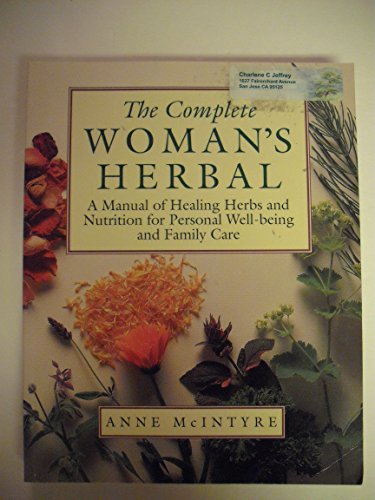
Herbal Healing for Women (A Guide to Holistic Healing): Gladstar, Rosemary
Covering adolescence, childbearing years, pregnancy and childbirth, and menopause, Rosemary Gladstar <strong>teaches how herbs can be used to treat the symptoms of conditions such as acne, PMS, mornin
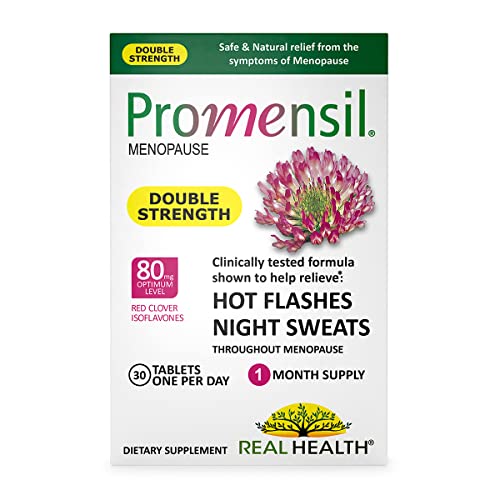
Promensil Menopause Double Strength - Menopause Supplements for Women, Red Clover Isoflavones, Helps Support Hot Flashes, Night Sweats, Restlessness - 30 Count
Shop items | Terms · MENOPAUSE SUPPORT FOR WOMEN - <strong>May help to support women experiencing menopause by aiding with hot flashes, night sweats, restlessness, and lack of concentration</strong> ·

Alvita Organic Red Clover Herbal Tea - Made with Premium Quality Organic Red Clover Blossoms, With Dried Sweet Grass Flavor, 72 Tea Bags (3 Pack)
Amazon.com : Alvita Organic Red Clover Herbal Tea - Made with Premium Quality Organic Red Clover Blossoms, With Dried Sweet Grass Flavor, 72 Tea Bags (3 Pack) : Grocery & Gourmet Food
Evidence & Sources
Promising research with growing clinical support from multiple studies
- NIH National Center for Complementary and Integrative Health (NCCIH)
- Natural Medicines Database
- Cochrane Database of Systematic Reviews
- Journal of Women's Health
- Menopause
- Phytomedicine
- Integrative Cancer Therapies
- European Journal of Clinical Nutrition
This content is for informational purposes only and does not constitute medical advice. Always consult a qualified healthcare provider before starting, stopping, or changing any supplement or medication regimen.