

Quercetin
Also known as: Quercitin, Quercetin Dihydrate
Overview
Quercetin is a naturally occurring plant flavonoid found in foods such as onions, apples, capers, berries, leafy greens, and tea. As a dietary compound, it is best known for its antioxidant and anti-inflammatory activity, and as a supplement it is commonly discussed in relation to immune support, seasonal allergy symptoms, histamine balance, and general cellular protection. Interest in quercetin has grown because laboratory and early clinical research suggests it may influence multiple biological pathways involved in oxidative stress, inflammation, and immune signaling.
From a public health perspective, quercetin sits at the intersection of nutrition, supplementation, and preventive wellness. People often encounter it when looking for non-drug approaches to mild allergy concerns, recovery support after exercise, or broader antioxidant strategies. It is also frequently included in multi-ingredient formulas marketed for respiratory wellness or immune resilience. However, it is important to distinguish between promising mechanisms seen in cell and animal studies and the more limited, mixed findings from human trials.
Researchers have explored quercetin for a wide range of applications, including allergic rhinitis, upper respiratory health, exercise recovery, cardiovascular function, metabolic health, and healthy aging. Proposed mechanisms include stabilization of mast cells, modulation of inflammatory mediators, scavenging of free radicals, and effects on pathways related to endothelial function. At the same time, quercetin’s absorption and bioavailability vary depending on the form used, the food matrix, and whether it is combined with other compounds, which makes study results harder to compare across trials.
Overall, quercetin is best understood as a widely used, biologically active flavonoid with plausible benefits but uneven clinical evidence. It is not considered a substitute for standard medical care, and people with chronic illness, complex medication regimens, pregnancy-related concerns, or persistent allergy or respiratory symptoms are generally best served by discussing supplement use with a qualified healthcare professional.
Medical Perspectives
Two Ways of Seeing Health

Western
scientific · clinical
Western medicine applies science, technology, and clinical experience to treat symptoms through testing, diagnosis, and targeted intervention.

Eastern
traditional · alternative
Eastern medicine focuses on treating the body naturally by applying traditional knowledge practiced for thousands of years, emphasizing balance and whole-person wellness.
Gold Bamboo presents both perspectives side-by-side so you can make informed decisions. We don't advocate for one over the other — your health choices are yours.
Western Medicine Perspective
Western Medicine Perspective
In conventional medicine and nutritional science, quercetin is viewed primarily as a bioactive polyphenol with antioxidant and anti-inflammatory potential. Laboratory studies suggest it may reduce oxidative damage, influence cytokine activity, and help modulate immune cell behavior. It has also been studied for its possible role in mast cell stabilization and reduction of histamine-related signaling, which is why it is commonly associated with discussions of seasonal allergies and histamine balance. These mechanistic findings are scientifically interesting, but human evidence remains more limited than popular use might imply.
Clinical research on quercetin has produced mixed but encouraging results in some areas. Small studies and reviews have examined its effects on blood pressure, endothelial health, exercise-induced inflammation, and allergy-related symptoms, with some trials suggesting modest benefits. However, findings are not always consistent, and many studies are limited by small sample sizes, short duration, different formulations, or use in combination products rather than quercetin alone. For immune and respiratory uses in particular, conventional medicine generally regards quercetin as an area of ongoing investigation rather than established therapy.
Safety discussions in western medicine typically focus on dose, formulation, interactions, and individual context. Quercetin from foods is generally considered part of a healthy diet, while supplemental use raises more questions about absorption, long-term use, and interactions with medications or underlying conditions. As with many supplements, clinicians may consider the broader health picture—including kidney function, medication metabolism, and symptom pattern—before evaluating whether its use is appropriate in a particular case. Conventional care continues to prioritize established diagnosis and evidence-based treatment when significant allergic, inflammatory, or respiratory symptoms are present.
Eastern & Traditional Perspective
Eastern / Traditional Medicine Perspective
Traditional systems such as Traditional Chinese Medicine (TCM), Ayurveda, and naturopathy do not historically organize health around the isolated compound quercetin itself. Instead, they tend to emphasize the whole plant, food quality, constitution, digestion, environment, and pattern of imbalance. From this perspective, quercetin-containing foods and herbs may be valued not because of a single molecule, but because they contribute to broader regulation of inflammation, resilience, and the body’s response to seasonal or environmental stressors.
In TCM, symptoms that modern consumers associate with allergies or histamine sensitivity may be interpreted through patterns involving the Lung system, defensive qi, Wind, Heat, Dampness, or phlegm accumulation, depending on the presentation. Foods rich in flavonoids might be viewed as part of a dietary approach that helps support balance and clear excess reactivity, though TCM would traditionally individualize care based on the full symptom picture rather than a nutrient-centered framework. The modern popularity of quercetin overlaps conceptually with TCM interests in calming excessive reactivity and supporting respiratory and immune function, but this is a modern integrative interpretation, not a classical standalone use.
In Ayurveda, comparable concerns might be framed in terms of agni (digestive/metabolic function), ama (accumulated metabolic burden), and doshic imbalance, especially excess kapha or pitta depending on the symptoms. A flavonoid-rich diet may be seen as supportive of systemic balance, but Ayurvedic reasoning generally prioritizes digestion, daily routine, seasonal adaptation, and individualized herb selection over isolated antioxidants. Naturopathic medicine often serves as a bridge between traditional and biomedical frameworks, frequently discussing quercetin in the context of mast cell activity, oxidative stress, and nutritional support while also emphasizing the terrain of gut health, stress, sleep, and environmental triggers.
Across these traditions, the broad theme is that compounds like quercetin may be appreciated as part of a holistic, food-first, systems-based view of health, rather than as a singular solution. Traditional practitioners typically contextualize such supplements within constitution, symptom patterns, and overall lifestyle, and they generally regard persistent symptoms as requiring individualized assessment.
Supplements & Products
Recommended Products

The 4-Phase Histamine Reset Plan: Getting to the Root of Migraines, Eczema, Vertigo, Allergies and More: Campbell, Dr. Becky
The four-phase diet plan is <strong>full of flavorful, low-histamine paleo foods</strong>; the first three phases instruct you which foods to eliminate from your diet to reset your health and support
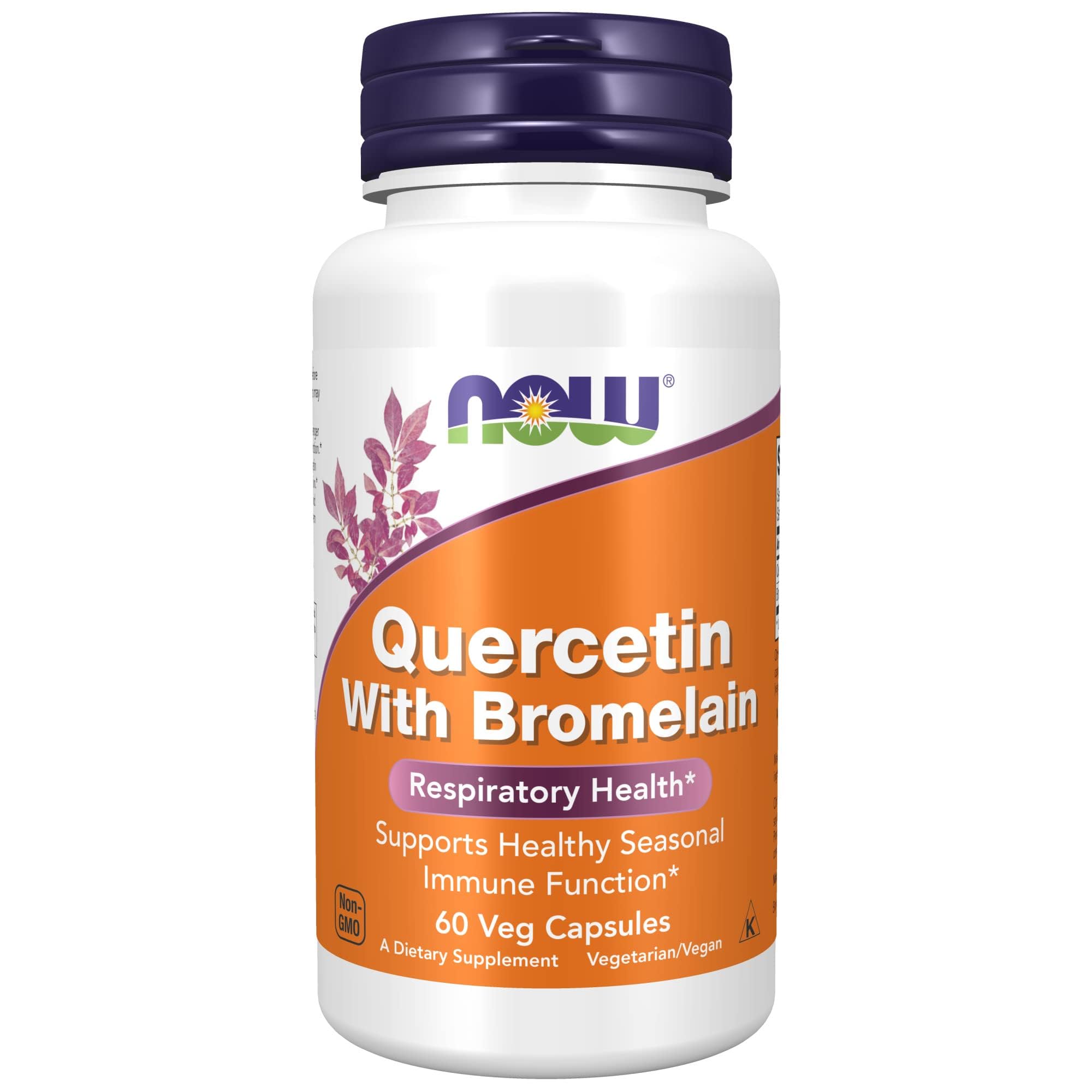
NOW Foods Supplements, Quercetin with Bromelain, Balanced Immune System*, 120 Veg Capsules
Buy NOW Foods Supplements, Quercetin with Bromelain, Balanced Immune System*, 120 Veg Capsules on Amazon.com ✓ FREE SHIPPING on qualified orders
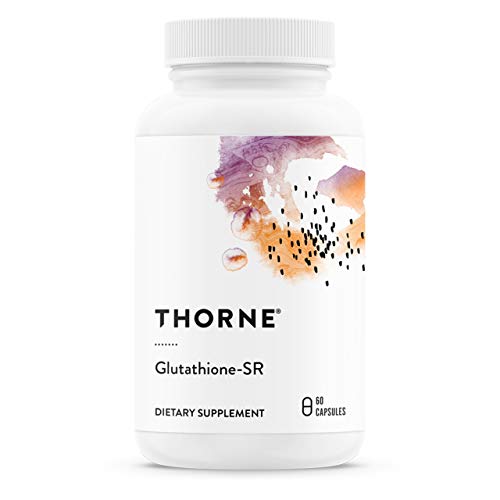
THORNE - Quercetin Phytosome - Antioxidant Supplement for Immune Health, Respiratory Support & Seasonal Allergy Relief* - Third-Party Certified - Gluten, Dairy & Soy-Free - 60 Capsules : Everything Else
Botanical Benefits: <strong>Delivers a powerhouse plant flavonoid extracted from Sophora japonica flowers, in a well-absorbed phytosome format that is 20-times more bioavailable than quercetin alone</
Evidence & Sources
Promising research with growing clinical support from multiple studies
- National Center for Complementary and Integrative Health (NCCIH)
- National Institutes of Health Office of Dietary Supplements
- Nutrients
- Antioxidants
- Phytotherapy Research
- Journal of the American College of Nutrition
- International Journal of Molecular Sciences
- Molecules
- European Journal of Pharmacology
- WHO
This content is for informational purposes only and does not constitute medical advice. Always consult a qualified healthcare provider before starting, stopping, or changing any supplement or medication regimen.