

Pyrroloquinoline Quinone
Also known as: PQQ, Pyrroloquinoline Quinone
Overview
PQQ (pyrroloquinoline quinone) is a small redox-active compound often discussed in the supplement world for its potential role in cellular energy metabolism, mitochondrial function, and cognitive health. It was first studied in bacteria as a cofactor involved in enzymatic reactions, and later attracted interest in human health because of its antioxidant properties and possible effects on cell signaling. Although sometimes described in popular literature as a “vitamin-like” nutrient, PQQ is not currently classified as an essential vitamin for humans.
Interest in PQQ largely centers on the idea that it may help support mitochondria, the structures within cells responsible for producing energy. Preclinical research suggests PQQ may influence pathways involved in mitochondrial biogenesis, oxidative stress response, inflammation, and nerve growth signaling. For that reason, it is frequently marketed for energy, healthy aging, memory, focus, and cardiovascular wellness. It is also found in small amounts in foods such as fermented soy products, green tea, kiwi, spinach, and some other plant foods.
From a research standpoint, PQQ remains an area of active but still limited human investigation. Small clinical studies have explored its possible effects on fatigue, sleep quality, mood, attention, and biomarkers related to oxidative stress, with mixed but occasionally promising findings. However, the overall evidence base is not yet strong enough to support broad conclusions about long-term benefits, ideal use, or its role in preventing or treating disease. Study quality, sample size, and duration remain important limitations.
As with many supplements aimed at “cellular support,” PQQ occupies a space between biochemical plausibility and incomplete clinical confirmation. Conventional researchers tend to view it as a potentially interesting mitochondrial and neuroprotective compound that requires larger trials. Traditional systems of medicine generally do not have a historic category for PQQ itself, but they may interpret its modern use through broader frameworks related to vitality, resilience, aging, and mental clarity. Any consideration of PQQ is best understood in the context of an individual’s overall health status and in consultation with a qualified healthcare professional.
Medical Perspectives
Two Ways of Seeing Health

Western
scientific · clinical
Western medicine applies science, technology, and clinical experience to treat symptoms through testing, diagnosis, and targeted intervention.

Eastern
traditional · alternative
Eastern medicine focuses on treating the body naturally by applying traditional knowledge practiced for thousands of years, emphasizing balance and whole-person wellness.
Gold Bamboo presents both perspectives side-by-side so you can make informed decisions. We don't advocate for one over the other — your health choices are yours.
Western Medicine Perspective
Western Medicine Perspective
In conventional medicine, PQQ is primarily viewed as a dietary supplement ingredient under investigation, not as a standard medical therapy. Scientific interest comes from laboratory and animal studies suggesting that PQQ may influence mitochondrial function, antioxidant defense systems, inflammatory signaling, and neuronal protection. Some research indicates that PQQ may activate cellular pathways associated with new mitochondria formation and reduced oxidative injury, which has led to hypotheses about possible roles in fatigue, cognitive aging, and cardiometabolic health.
Human evidence is more limited. Small clinical trials have examined PQQ supplementation for outcomes such as subjective fatigue, sleep, stress-related measures, attention, and memory-related performance, and some studies report modest improvements in selected endpoints. There is also interest in whether PQQ may work synergistically with nutrients such as CoQ10, given their overlapping association with mitochondrial health. Still, these findings are considered preliminary. Many studies are short-term, include relatively few participants, or rely partly on self-reported outcomes, making it difficult to draw firm conclusions.
From a safety perspective, available data suggest that PQQ appears to be generally well tolerated in the amounts studied, but long-term safety remains less clearly defined than for more established nutrients. Conventional clinicians may also note that supplement quality can vary and that interactions, though not fully characterized, are always relevant in people with complex medical conditions, polypharmacy, pregnancy, or chronic disease. For these reasons, western medicine typically frames PQQ as a supplement with emerging clinical relevance but insufficient evidence for routine therapeutic use.
Eastern & Traditional Perspective
Eastern and Traditional Medicine Perspective
PQQ does not have a direct historical counterpart in Traditional Chinese Medicine (TCM), Ayurveda, or most classical herbal systems, because it is a modern isolated compound rather than a traditional herb or formula. Even so, practitioners in integrative and traditional medicine may conceptually relate its proposed actions to longstanding themes such as supporting vitality, resilience, healthy aging, and mental clarity.
In TCM-style interpretation, a compound associated with energy production and cognitive support might be viewed through patterns involving Qi deficiency, essence depletion, or imbalance affecting the Heart, Spleen, or Kidney systems, depending on the broader presentation. Within that framework, PQQ itself would not traditionally replace pattern-based diagnosis or classical materia medica, but could be discussed as a modern adjunct that aligns with the general goal of supporting constitutional strength and reducing the effects of stress and aging.
In Ayurvedic or naturopathic perspectives, PQQ may be framed more broadly as a substance of interest for cellular vitality, healthy aging, and oxidative balance. These systems often emphasize the terrain in which fatigue or cognitive dullness arises, including digestion, sleep, stress, restoration, and overall reserve. Rather than focusing only on one molecule, traditional approaches generally place compounds like PQQ within a larger context of lifestyle, nourishment, and individualized constitutional assessment.
Because PQQ is not a classical remedy in these traditions, the eastern/traditional perspective is best understood as interpretive rather than historical. Traditional practitioners may find its proposed mitochondrial and neuroprotective roles conceptually compatible with existing frameworks, but that compatibility does not by itself establish clinical effectiveness. Integrative use is typically considered alongside professional guidance and a broader whole-person evaluation.
Supplements & Products
Recommended Products

Mitochondria and the Future of Medicine: The Key to Understanding Disease, Chronic Illness, Aging, and Life Itself: Know, Lee
In Mitochondria and the Future of Medicine, Naturopathic Doctor Lee Know <strong>tells the epic story of mitochondria, the widely misunderstood and often-overlooked powerhouses of our cells</strong>.
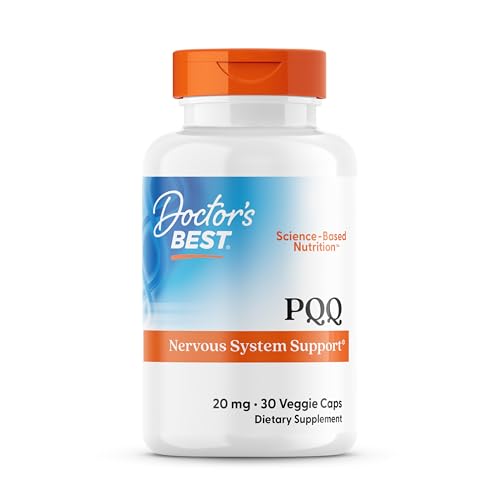
Doctors Best PQQ with BioPQQ, Nervous System Support, Non-GMO, Gluten Free, Soy Free, Vegan 30 Veggie Caps
Coupon: Save an extra 20% on your first Subscribe & Save order. Shop items | Terms ... DOCTOR'S BEST PQQ WITH BIOPQQ <strong>provides pyrroloquinoline quinone (PQQ).</strong>

Life Extension PQQ, pyrroloquinoline Quinone, 20 mg, Promotes The Growth of New Mitochondria, Gluten-Free, Non-GMO, Vegetarian, 1 Daily, 30 Capsules : Everything Else
<strong>Our PQQ formula delivers 20 mg of pyrroloquinoline quinone, a novel nutrient that helps your body grow new mitochondria and helps protect your delicate cells from oxidative stress</strong>.
Evidence & Sources
Early-stage research, mostly preclinical or preliminary human studies
- National Institutes of Health Office of Dietary Supplements
- Membranes
- Nutrients
- Journal of Nutritional Biochemistry
- Food Style 21
- Natural Medicines
- NCCIH (National Center for Complementary and Integrative Health)
This content is for informational purposes only and does not constitute medical advice. Always consult a qualified healthcare provider before starting, stopping, or changing any supplement or medication regimen.