

Potassium
Also known as: Potassium Citrate, Potassium Chloride, Potassium Bicarbonate
Overview
Potassium is an essential mineral and major electrolyte that helps regulate fluid balance, nerve transmission, muscle contraction, and normal heart rhythm. It is one of the body’s most tightly controlled nutrients because even modest shifts in potassium levels can affect cardiovascular and neuromuscular function. In nutrition and supplement discussions, potassium is commonly associated with blood pressure support, hydration, muscle cramping, exercise recovery, and cardiovascular health.
Most potassium in the body is stored inside cells, where it works in dynamic balance with sodium to maintain membrane potential and support normal cellular signaling. Adequate dietary potassium intake has been linked with healthier blood pressure patterns, in part because potassium influences sodium handling, vascular tone, and kidney function. Foods such as fruits, vegetables, legumes, dairy products, and potatoes are major dietary sources, while supplements are typically used in lower doses because potassium can be unsafe in excess for some individuals.
Low potassium status, or hypokalemia, may occur due to gastrointestinal losses, certain medications such as diuretics, poor intake, or specific medical conditions. Symptoms can include fatigue, weakness, constipation, palpitations, or muscle cramps, though mild insufficiency may be subtle. At the other extreme, hyperkalemia refers to elevated potassium levels and can become a medical concern, especially in people with kidney disease or those taking medications that reduce potassium excretion. Because of this narrow safety window, potassium occupies a unique place among supplements: it is essential and widely relevant, yet not appropriate for unsupervised high-dose use.
Interest in potassium also reflects broader public health concerns. Many populations consume less potassium than dietary guidelines suggest, largely because modern diets often contain fewer minimally processed plant foods and more sodium-rich packaged foods. As a result, potassium is often discussed not only as a supplement ingredient but also as a marker of overall dietary quality. Research most strongly supports its role in blood pressure regulation and cardiovascular risk reduction when obtained through diet, while evidence for uses such as cramp prevention or athletic performance is more variable and context-dependent.
Medical Perspectives
Two Ways of Seeing Health

Western
scientific · clinical
Western medicine applies science, technology, and clinical experience to treat symptoms through testing, diagnosis, and targeted intervention.

Eastern
traditional · alternative
Eastern medicine focuses on treating the body naturally by applying traditional knowledge practiced for thousands of years, emphasizing balance and whole-person wellness.
Gold Bamboo presents both perspectives side-by-side so you can make informed decisions. We don't advocate for one over the other — your health choices are yours.
Western Medicine Perspective
Western Medicine Perspective
In conventional medicine, potassium is understood as a critical electrolyte required for normal nerve conduction, skeletal and smooth muscle function, acid-base balance, and cardiac electrical activity. Laboratory testing of serum potassium is commonly used in routine and hospital care because abnormal levels can signal clinically important disturbances. Physicians typically evaluate potassium status in the context of kidney function, medication use, gastrointestinal losses, endocrine disorders, and cardiovascular risk. Conditions such as chronic kidney disease, vomiting, diarrhea, adrenal disorders, and the use of diuretics, laxatives, ACE inhibitors, ARBs, or potassium-sparing medications may all influence potassium balance.
From a research standpoint, the strongest evidence relates to blood pressure and cardiovascular health. Studies indicate that higher dietary potassium intake is associated with lower blood pressure, particularly in people consuming higher amounts of sodium. Major public health and cardiology organizations have highlighted potassium-rich dietary patterns as part of nonpharmacologic blood pressure management. Potassium’s effects appear to involve increased urinary sodium excretion, improved vascular function, and modulation of the renin-angiotensin system. There is also epidemiologic evidence linking higher potassium intake with reduced stroke risk, though such findings are often strongest in dietary-pattern research rather than isolated supplement trials.
Conventional medicine is more cautious regarding potassium supplementation for muscle cramps, hydration, or general wellness. While potassium depletion can contribute to weakness, cramping, or arrhythmias, most routine cramping in otherwise healthy people is not necessarily caused by potassium deficiency. Similarly, sports hydration science generally views potassium as one component of electrolyte replacement, but not a universal solution for exercise-related symptoms. The medical emphasis is typically on identifying the underlying cause of deficiency or imbalance rather than broadly supplementing.
Safety is a central part of the western medical perspective. Excess potassium can be dangerous, especially in individuals with impaired kidney function or those taking medications that reduce potassium excretion. For this reason, clinicians generally distinguish between dietary potassium, which is beneficial for most people, and supplemental potassium, which may require individualized oversight. This is also why over-the-counter potassium supplements in some markets are available only in relatively small amounts per dose.
Eastern & Traditional Perspective
Eastern and Traditional Medicine Perspective
In Traditional Chinese Medicine (TCM), potassium is not traditionally categorized as a single therapeutic concept in the way it is in modern biochemistry, but its functional significance overlaps with patterns involving fluid regulation, muscle function, fatigue, and Heart or Kidney balance. Symptoms that modern medicine may associate with low potassium—such as weakness, cramping, palpitations, or depleted energy—might be interpreted through pattern frameworks such as Qi deficiency, Yin deficiency, or disharmony affecting the Spleen, Kidney, or Heart systems. TCM traditionally emphasizes restoring systemic balance through food therapy, herbal formulas, and regulation of digestion and fluids rather than focusing on an isolated mineral alone.
Within Ayurveda, potassium-containing foods may be viewed according to their energetic qualities, taste, tissue-nourishing effects, and influence on hydration and muscular function. Concerns related to fatigue, fluid depletion, constipation, or muscle irritability may be understood through imbalances in Vata, depletion of bodily tissues, or disturbances in electrolyte and digestive balance as interpreted through traditional frameworks. Rather than centering on potassium as a standalone nutrient, Ayurveda typically considers the broader pattern of nourishment, digestion, and fluid equilibrium.
In naturopathic and integrative medicine, potassium is often discussed as part of a whole-person approach to cardiovascular health, mineral balance, and dietary quality. Practitioners may emphasize potassium-rich foods in the context of reducing excess sodium intake, supporting healthy blood pressure patterns, and improving overall nutrient density. This perspective often aligns with conventional nutrition science while also placing value on minimally processed foods, individualized assessment, and the interconnected roles of stress, hydration, digestion, and kidney-adrenal function.
Across traditional systems, a common theme is that symptoms associated with potassium imbalance are rarely viewed in isolation. Instead, they are understood as part of a broader pattern involving diet, constitution, fluid balance, physical exertion, and systemic resilience. While these traditions offer longstanding frameworks for understanding weakness, cramping, and cardiovascular symptoms, modern laboratory assessment remains important when potassium imbalance is suspected, particularly because significant abnormalities can require prompt medical evaluation.
Supplements & Products
Recommended Products

The DASH Diet Action Plan: Proven to Boost Weight Loss and Improve Health (A DASH Diet Book): Heller, Marla
Unlike any diet before it, DASH, which stands for Dietary Approaches to Stop Hypertension, came out of groundbreaking NIH-funded research. Now, Marla Heller, MS, RD, who was trained by one of the prim
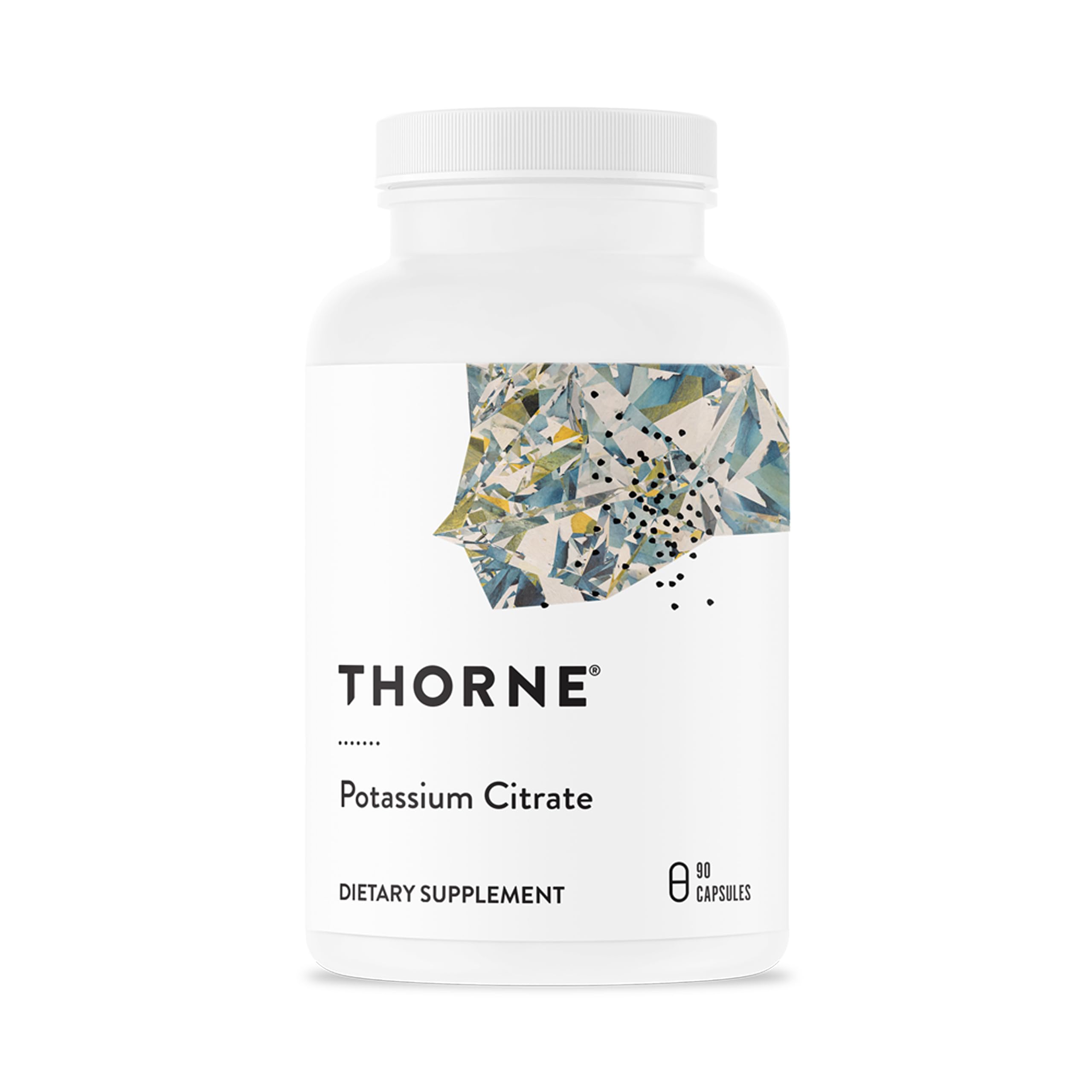
THORNE - Potassium Citrate - Highly-Absorbable Potassium Supplement for Kidney, Heart, and Skeletal Support* - 90 Capsules : Everything Else
Buy THORNE - Potassium Citrate - Highly-Absorbable Potassium Supplement for Kidney, Heart, and Skeletal Support* - 90 Capsules on Amazon.com ✓ FREE SHIPPING on qualified orders
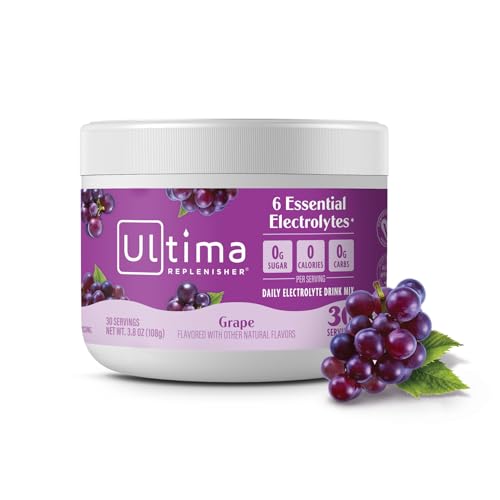
Ultima Replenisher Daily Electrolyte Powder Drink Mix – Sugar Free – Raspberry, 90 Servings – Hydration Powder with 6 Key Electrolytes and Trace Minerals – Keto Friendly, Vegan, Non-GMO
Refresh and replenish: Ultima ... or carbs · Naturally delicious: <strong>Electrolyte drink mix made with 6 key electrolytes - magnesium, calcium, potassium, chloride, phosphorus and sodium</strong>,
Evidence & Sources
Supported by multiple clinical trials and systematic reviews
- National Institutes of Health Office of Dietary Supplements (Potassium Fact Sheet)
- World Health Organization guideline on potassium intake for adults and children
- New England Journal of Medicine
- Journal of the American College of Cardiology
- American Heart Association
- National Kidney Foundation
- Cochrane Database of Systematic Reviews
- National Center for Complementary and Integrative Health
This content is for informational purposes only and does not constitute medical advice. Always consult a qualified healthcare provider before starting, stopping, or changing any supplement or medication regimen.