

Postbiotics
Overview
Postbiotics are bioactive compounds produced by beneficial microorganisms during fermentation or released when those microbes break down. Unlike probiotics (live microbes) and prebiotics (substrates that feed them), postbiotics are typically non-living microbial products or components. This category can include short-chain fatty acids such as butyrate, microbial cell-wall fragments, peptides, enzymes, polysaccharides, and other metabolites that may influence the gut environment and broader physiology.
Interest in postbiotics has grown because they may offer some of the functional benefits associated with probiotics while potentially being more stable, easier to standardize, and less sensitive to storage conditions. Research suggests that postbiotics may help support intestinal barrier integrity, immune signaling, microbial balance, and inflammatory regulation. In the context of gut health, these compounds are being studied for their role in digestive comfort, recovery after gastrointestinal disruption, and maintenance of a healthy mucosal environment.
From a public health perspective, postbiotics sit within the broader field of the gut microbiome, an area increasingly linked to digestive, metabolic, immune, and even neurological health. However, postbiotics are not a single ingredient or uniform class. Different products may contain very different compounds, concentrations, and mechanisms of action. This makes the topic scientifically promising but also somewhat complex, because findings from one postbiotic preparation may not apply to another.
Current literature indicates that postbiotics represent an emerging but increasingly credible area of microbiome science. Some definitions have been formalized by expert groups, and clinical studies are accumulating, especially in gastrointestinal and immune-related settings. At the same time, many questions remain about ideal characterization, dosing, target populations, and how specific postbiotic preparations compare with live probiotics or fermented foods. As with other microbiome-focused interventions, interpretation is strongest when discussed with a qualified healthcare professional, particularly for people with chronic gastrointestinal conditions, immune compromise, or medically complex histories.
Medical Perspectives
Two Ways of Seeing Health

Western
scientific · clinical
Western medicine applies science, technology, and clinical experience to treat symptoms through testing, diagnosis, and targeted intervention.

Eastern
traditional · alternative
Eastern medicine focuses on treating the body naturally by applying traditional knowledge practiced for thousands of years, emphasizing balance and whole-person wellness.
Gold Bamboo presents both perspectives side-by-side so you can make informed decisions. We don't advocate for one over the other — your health choices are yours.
Western Medicine Perspective
Western Medicine Perspective
In conventional medicine and microbiome research, postbiotics are generally understood as preparations of inanimate microorganisms and/or their components that confer a health benefit, or more broadly as the metabolic outputs of beneficial bacteria. Scientific interest centers on how these compounds interact with the host. Studies indicate that certain postbiotics may influence tight junctions in the intestinal lining, mucin production, epithelial repair, and immune pathways such as cytokine signaling. Short-chain fatty acids, especially butyrate, are among the best-known examples because they serve as an energy source for colon cells and are associated with maintenance of gut barrier function.
Clinical and preclinical research has explored postbiotics in areas such as antibiotic-associated digestive disruption, irritable bowel syndrome, inflammatory bowel conditions, infant gut health, and immune resilience. Some findings are encouraging, particularly for specific heat-treated bacterial preparations or defined microbial metabolites. Researchers are also interested in postbiotics because non-living preparations may pose fewer practical challenges than live probiotics, including issues related to viability, refrigeration, and survivability through the gastrointestinal tract. For product development and regulation, this stability may be an important advantage.
At the same time, western medicine views the evidence as heterogeneous. There is no single postbiotic effect; outcomes depend on the microbial strain of origin, manufacturing process, bioactive composition, and studied population. Many studies remain small, strain-specific, or product-specific, and not all commercial products are characterized with the same rigor. As a result, conventional medicine generally treats postbiotics as a promising but still developing category, with stronger confidence in certain mechanisms than in broad, generalized health claims.
Eastern & Traditional Perspective
Eastern/Traditional Medicine Perspective
Traditional systems such as Traditional Chinese Medicine (TCM) and Ayurveda do not historically use the modern term postbiotics, but the concept can be interpreted through long-standing frameworks involving digestion, transformation of food, resilience of the gut, and systemic balance. In TCM, digestive health is closely linked to the functional strength of the Spleen and Stomach systems, which are understood to govern transformation and transportation of nutrients. Substances generated through healthy fermentation and digestion may be viewed as supporting the body's ability to derive nourishment and maintain internal harmony, particularly when the digestive system is functioning efficiently.
In Ayurveda, gut health relates to agni (digestive fire), the proper formation of tissues, and balance among the doshas. Fermented foods and digestive tonics have traditionally been valued for their effects on assimilation and internal equilibrium. While Ayurveda does not classify bacterial metabolites in biochemical terms, the broader principle that beneficial transformation in the gut can influence immunity, vitality, and overall health aligns conceptually with current interest in microbiome-derived compounds.
Naturopathic and integrative traditions often place postbiotics within a wider emphasis on fermented foods, fiber-rich diets, digestive restoration, and terrain-based health. From this perspective, microbial byproducts are seen less as isolated molecules and more as part of an ecosystem of digestive wellness. Traditional systems generally emphasize individualized patterns rather than one-size-fits-all interventions, and this parallels modern recognition that microbiome responses vary widely between individuals. Even so, these traditional interpretations are conceptual parallels rather than historical equivalents, and they should not be mistaken for direct ancient descriptions of postbiotics as defined in contemporary science.
Supplements & Products
Recommended Products
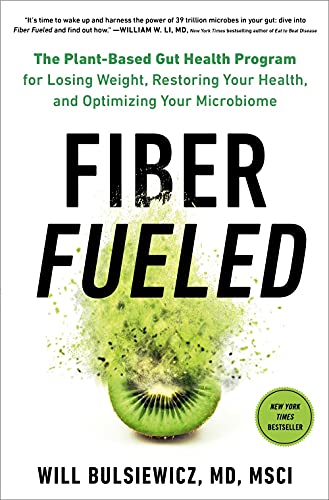
Fiber Fueled: The Plant-Based Gut Health Program for Losing Weight, Restoring Your Health, andOptimizing Your Microbiome eBook : Bulsiewicz MD, Will
With <strong>over 70 plant-fueled recipes, detailed shopping lists, and key lifestyle changes that will help you heal your gut without even lifting a fork</strong>, Fiber Fueled will allow you to thri
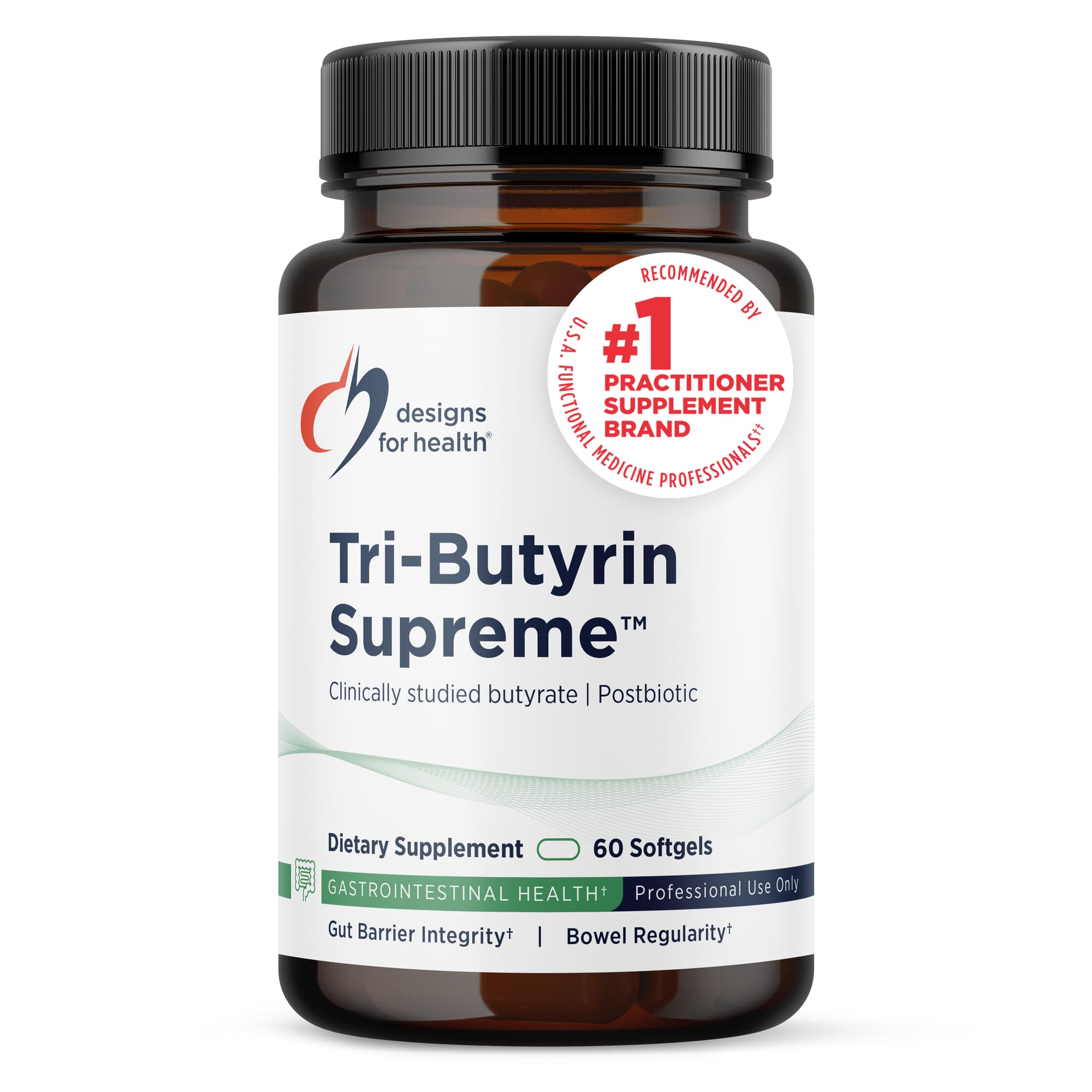
Designs for Health Tri-Butyrin Supreme - 3-in-1 Butyric Acid (Butyrate) Postbiotics for Gut Health & Gut Permeability Support - Tributyrin Supplement with Odor-Minimizing Innovation (60 Softgels)
Buy Designs for Health Tri-Butyrin Supreme - 3-in-1 Butyric Acid (Butyrate) Postbiotics for Gut Health & Gut Permeability Support - Tributyrin Supplement with Odor-Minimizing Innovation (60 Softge
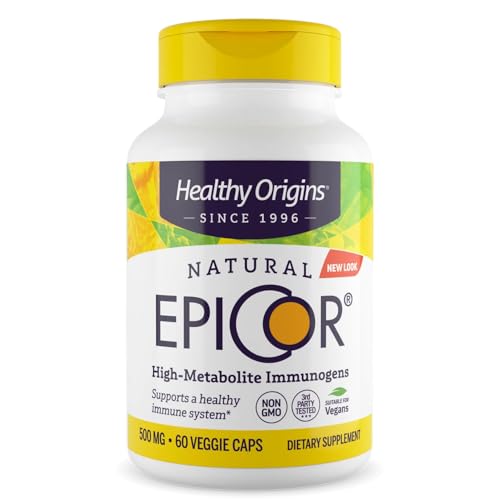
Healthy Origins EpiCor 500 mg (Immune Support, Non-GMO, Gluten Free), 150 Veggie Capsules
Our supplements are <strong>crafted to support your body's natural processes, fostering a balanced and healthier you from the inside out</strong>. ... Brief content visible, double tap to read fu
Evidence & Sources
Promising research with growing clinical support from multiple studies
- Nature Reviews Gastroenterology & Hepatology
- International Scientific Association for Probiotics and Prebiotics (ISAPP)
- World Journal of Gastroenterology
- Nutrients
- Frontiers in Nutrition
- National Institutes of Health (NIH)
- National Center for Complementary and Integrative Health (NCCIH)
- Cell Host & Microbe
This content is for informational purposes only and does not constitute medical advice. Always consult a qualified healthcare provider before starting, stopping, or changing any supplement or medication regimen.