

Passionflower
Also known as: Passiflora
Overview
Passionflower usually refers to Passiflora incarnata, a flowering vine traditionally used as a botanical supplement for its calming, sedative, and anxiolytic properties. It has a long history of use in North and South America and later became incorporated into European herbal practice, particularly for nervous restlessness, mild anxiety, and sleep disturbance. Today, passionflower appears in teas, tinctures, capsules, and combination herbal formulas aimed at promoting relaxation.
From a phytochemical standpoint, passionflower contains a range of plant compounds, including flavonoids and other constituents that researchers have investigated for effects on the central nervous system. Although its exact mechanisms are not fully established, studies suggest passionflower may influence pathways related to gamma-aminobutyric acid (GABA) signaling, a neurotransmitter system associated with calming and inhibitory activity in the brain. This proposed mechanism helps explain why it is commonly discussed in relation to stress, anxiety, and insomnia.
Interest in passionflower is significant because anxiety symptoms and sleep complaints are common, and many people seek nonpharmaceutical options to support relaxation. At the same time, the evidence base remains mixed and condition-specific. Some clinical studies and reviews suggest possible benefit for mild anxiety, preoperative nervousness, and subjective sleep quality, while other findings are limited by small sample sizes, variable product formulations, and inconsistent study design. As with many botanicals, questions of dosage standardization, extract composition, and product quality affect interpretation.
Passionflower is generally described as well tolerated in short-term use in available studies, but it is still a biologically active substance with the potential for sedation, dizziness, impaired alertness, and herb-drug interactions. Because supplements can vary substantially, appropriate evaluation with a qualified healthcare professional is important, especially for people who are pregnant, taking sedative medications, or managing complex mental health or sleep disorders.
Medical Perspectives
Two Ways of Seeing Health

Western
scientific · clinical
Western medicine applies science, technology, and clinical experience to treat symptoms through testing, diagnosis, and targeted intervention.

Eastern
traditional · alternative
Eastern medicine focuses on treating the body naturally by applying traditional knowledge practiced for thousands of years, emphasizing balance and whole-person wellness.
Gold Bamboo presents both perspectives side-by-side so you can make informed decisions. We don't advocate for one over the other — your health choices are yours.
Western Medicine Perspective
Western Medicine Perspective
In conventional and integrative medicine, passionflower is most often examined as a complementary botanical for anxiety, insomnia, and situational nervousness. Research has focused on whether it may reduce subjective anxiety, improve sleep quality, or provide calming effects without some of the drawbacks associated with conventional sedatives. However, mainstream medicine generally does not consider passionflower a first-line treatment for clinically significant anxiety disorders or chronic insomnia, largely because the evidence is not yet robust enough to support broad, standardized use.
Clinical literature includes small randomized trials and systematic reviews suggesting that passionflower may have modest anxiolytic effects, particularly for mild-to-moderate symptoms or short-term situational stress. Some studies have compared passionflower preparations with standard anxiolytic medications, while others have looked at preoperative anxiety or sleep-related outcomes. Results are promising but not definitive. A major limitation is that studies often use different formulations, doses, and treatment durations, making direct comparison difficult.
From a safety perspective, conventional sources typically note that passionflower appears relatively safe for many adults in the short term, though adverse effects such as drowsiness, confusion, nausea, or dizziness have been reported. Because of its calming properties, there is concern about additive effects with sedatives, alcohol, anticonvulsants, and other central nervous system-active medications. As with all supplements, clinicians may also consider risks related to contamination, inconsistent labeling, and variable potency. People with persistent anxiety, depression, trauma-related symptoms, or severe sleep disruption are generally best evaluated comprehensively by a licensed healthcare provider rather than relying on symptom self-management alone.
Eastern & Traditional Perspective
Eastern and Traditional Medicine Perspective
Although passionflower is not a major classic herb in Traditional Chinese Medicine (TCM) or Ayurveda, it is often incorporated into modern integrative herbalism, naturopathy, and Western traditional herbal medicine, where it is viewed as a nervine—an herb traditionally used to calm the nervous system. In these traditions, passionflower is commonly associated with patterns of restlessness, irritability, overactive thinking, and difficulty unwinding, especially when these symptoms interfere with sleep.
In naturopathic and traditional Western herbal frameworks, passionflower has often been paired with other calming botanicals such as valerian, lemon balm, chamomile, skullcap, or hops. Rather than being framed solely around neurotransmitters or disease categories, these systems may describe passionflower as supporting the body's ability to transition from a state of tension and agitation toward one of settling and restoration. Traditional use has often emphasized individuals whose insomnia is linked to mental overactivity rather than physical pain or structural sleep disorders.
From a broader East-West integrative perspective, practitioners sometimes map passionflower's traditional use onto concepts such as disturbed shen in TCM or aggravated vata in Ayurveda, though these interpretations are modern and not rooted in classical textual prominence for this specific plant. In such systems, herbal support is rarely viewed in isolation; attention is also given to constitution, stress patterns, digestion, daily rhythm, and mind-body regulation. While traditional use supports passionflower's reputation as a calming herb, these frameworks also recognize the importance of individualized assessment by a qualified practitioner, especially when symptoms are prolonged or severe.
Supplements & Products
Recommended Products
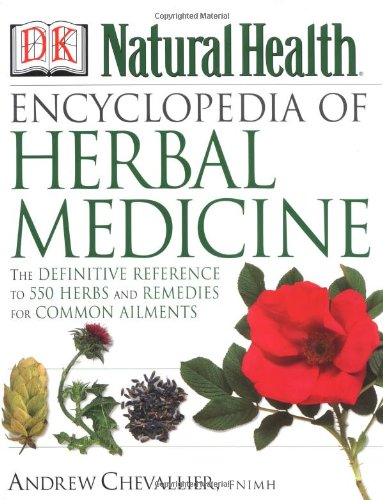
Encyclopedia of Herbal Medicine: The Definitive Home Reference Guide to 550 Key Herbs with all their Uses as Remedies for Common Ailments: Chevallier, Andrew
Mary Stout, Pima Community Coll., Tucson, AR Copyright 2001 Reed Business Information, Inc. Andrew Chevallier, FNIMH, is an <strong>experienced medical herbalist and Senior Lecturer in Herbal Medicine
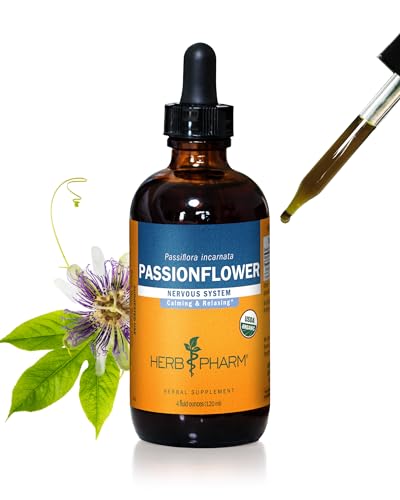
Herb Pharm Certified Organic Passionflower Liquid Extract - 4 Fl Oz
<strong>We prepare Passionflower extract from the flowering herb (leaf, flower & succulent stem) of Certified Organic Passiflora incarnata vines</strong>. The herb is extracted in small batches wi
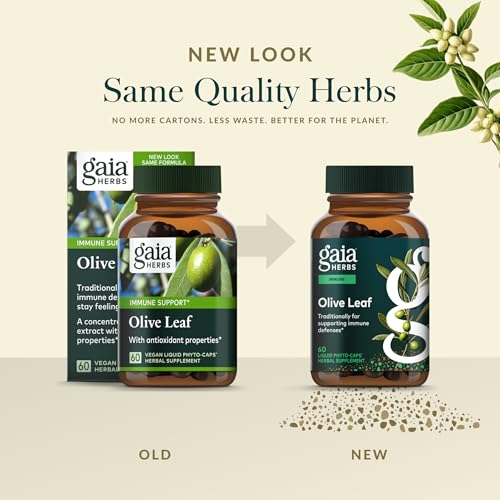
Gaia Herbs Serenity with Passionflower Liquid Phyto-Capsules, 60 Count
Proprietary Synergistic Extract ... Mugwort herb (Artemesia vulgaris ), Peppermint leaf (Mentha piperita). <strong>Take 1 capsule 3 times daily between meals</strong>....
Evidence & Sources
Promising research with growing clinical support from multiple studies
- National Center for Complementary and Integrative Health (NCCIH)
- European Medicines Agency (EMA) Herbal Monograph on Passiflora incarnata
- Journal of Clinical Pharmacy and Therapeutics
- Phytotherapy Research
- Journal of Ethnopharmacology
- Sleep Medicine Reviews
- American Academy of Family Physicians (AAFP)
- Natural Medicines Database
This content is for informational purposes only and does not constitute medical advice. Always consult a qualified healthcare provider before starting, stopping, or changing any supplement or medication regimen.