

Partially Hydrolyzed Guar Gum
Also known as: PHGG, Sunfiber, Hydrolyzed Guar Gum
Overview
Partially hydrolyzed guar gum (PHGG) is a water-soluble dietary fiber derived from guar gum, a polysaccharide obtained from the guar bean (Cyamopsis tetragonoloba). Through partial hydrolysis, the long guar gum chains are broken into smaller fragments, which improves mixability and gastrointestinal tolerability compared with standard guar gum while preserving its functional fiber and prebiotic properties. In supplement and clinical nutrition contexts, PHGG is commonly discussed for bowel regularity, stool normalization, microbiome support, and digestive comfort.
PHGG is notable because it behaves differently from many harsher bulk-forming fibers. Research suggests it may help support both constipation and diarrhea-predominant bowel irregularity by modulating stool consistency, increasing beneficial fermentation in the colon, and producing short-chain fatty acids that nourish intestinal cells. People often seek information about PHGG in relation to irritable bowel syndrome (IBS), functional constipation, and broader concerns around gut health, especially when they have found other fibers difficult to tolerate due to bloating or gas.
From a nutritional standpoint, PHGG is generally categorized as a fermentable soluble fiber with prebiotic potential. Studies indicate it may encourage the growth of beneficial gut bacteria such as Bifidobacterium and Lactobacillus species, though microbiome responses vary by individual, baseline diet, and health status. Because the gut microbiome is increasingly linked with digestion, immune function, and metabolic signaling, PHGG has attracted attention as a relatively gentle way to support intestinal ecology.
Interest in PHGG also reflects a broader shift in digestive care toward dietary and microbiome-focused strategies. In conventional settings, it may be considered as part of a fiber-based approach to functional gastrointestinal symptoms. In traditional and integrative frameworks, it aligns with long-standing emphasis on bowel rhythm, digestive balance, and nourishment of the gut environment. Although it is widely used and generally well tolerated, interpretation of its benefits is still best made in consultation with a qualified healthcare professional, especially for people with persistent symptoms, significant abdominal pain, unintended weight loss, or complex digestive disorders.
Medical Perspectives
Two Ways of Seeing Health

Western
scientific · clinical
Western medicine applies science, technology, and clinical experience to treat symptoms through testing, diagnosis, and targeted intervention.

Eastern
traditional · alternative
Eastern medicine focuses on treating the body naturally by applying traditional knowledge practiced for thousands of years, emphasizing balance and whole-person wellness.
Gold Bamboo presents both perspectives side-by-side so you can make informed decisions. We don't advocate for one over the other — your health choices are yours.
Western Medicine Perspective
Western / Conventional Medicine Perspective
In conventional medicine, PHGG is understood primarily as a soluble, low-viscosity, fermentable fiber that can influence stool form, intestinal transit, and the composition and activity of the gut microbiota. Its clinical appeal lies in its good tolerability relative to some other fiber supplements. Research suggests PHGG may support regular bowel movements in constipation, improve stool consistency, and reduce some symptoms such as bloating or abdominal discomfort in certain patients with IBS or functional bowel disorders. Because it dissolves easily and has relatively low thickening properties, it is often discussed as easier to incorporate into foods and liquids than some traditional gums.
Mechanistically, PHGG appears to work through several pathways. It is fermented by colonic bacteria, producing short-chain fatty acids such as acetate, propionate, and butyrate, which are associated with colon health and gut barrier support. This fermentation may also contribute to prebiotic effects, with studies indicating increases in beneficial bacterial groups. Unlike stimulant laxatives, PHGG does not act by forcing intestinal contractions; rather, it may help normalize bowel patterns by improving the intestinal environment and water handling within the stool.
Clinical evidence is promising but not uniform. Studies and reviews have examined PHGG in constipation, IBS, enteral feeding tolerance, and microbiome modulation. Some trials suggest improvement in stool frequency, global IBS symptoms, or quality of life measures, while others show more modest effects. As with many fiber interventions, outcomes depend on dose, population studied, background diet, and whether symptoms are constipation-predominant, diarrhea-predominant, or mixed. Conventional medicine therefore tends to view PHGG as a supportive nutritional intervention rather than a stand-alone solution for all digestive complaints.
Safety discussions in western medicine generally describe PHGG as well tolerated, though digestive side effects such as gas, abdominal fullness, or altered bowel habits can still occur, especially when fiber intake changes abruptly. Persistent gastrointestinal symptoms warrant medical evaluation because constipation, diarrhea, or IBS-like symptoms may overlap with inflammatory bowel disease, celiac disease, infection, thyroid disorders, or colorectal pathology. For that reason, PHGG is typically framed as part of a broader digestive health strategy that may also include medical assessment, dietary review, and individualized symptom monitoring.
Eastern & Traditional Perspective
Eastern / Traditional Medicine Perspective
Traditional medical systems do not typically discuss partially hydrolyzed guar gum by its modern biochemical name, but its role can be interpreted through broader frameworks related to digestion, elimination, and nourishment of the intestinal tract. In Traditional Chinese Medicine (TCM), bowel irregularity is often understood in terms of patterns such as Spleen Qi deficiency, intestinal dryness, Liver Qi stagnation, dampness, or heat. A gentle soluble fiber like PHGG may be viewed conceptually as a substance that supports the body’s capacity to maintain smoother bowel movement and digestive harmony without being overly harsh or depleting.
From an Ayurvedic perspective, digestive symptoms such as constipation, irregular bowel habits, bloating, and intestinal sensitivity may be linked to imbalances in Vata, impaired Agni (digestive fire), or accumulation of Ama (poorly processed metabolic residue). A well-tolerated soluble fiber may be interpreted as supportive for bowel regularity and microbial balance when used within a broader context of digestive care, hydration, meal rhythm, and constitution-specific assessment. Ayurveda generally emphasizes that the same symptom can arise from different underlying patterns, so a fiber-based approach would not traditionally be considered identical for every person.
In naturopathic and integrative traditions, PHGG is often regarded as a gentle prebiotic fiber that may help restore a healthier intestinal terrain. This perspective often focuses on supporting beneficial microbes, improving stool quality, and reducing irritation associated with poorly tolerated fiber strategies. Practitioners in these traditions may frame PHGG as part of a foundational digestive support approach alongside dietary quality, stress regulation, and evaluation of food tolerance patterns.
Across traditional systems, the central idea is less about isolating one symptom and more about restoring digestive balance. Even so, traditional interpretation does not replace appropriate medical evaluation. Ongoing abdominal pain, bleeding, severe change in bowel habits, fever, or unexplained weight loss are generally considered signs that warrant assessment by a licensed healthcare professional.
Supplements & Products
Recommended Products

Fiber Fueled: The Plant-Based Gut Health Program for Losing Weight, Restoring Your Health, andOptimizing Your Microbiome: Bulsiewicz MD, Will
With <strong>over 70 plant-fueled recipes, detailed shopping lists, and key lifestyle changes that will help you heal your gut without even lifting a fork</strong>, Fiber Fueled will allow you to thri
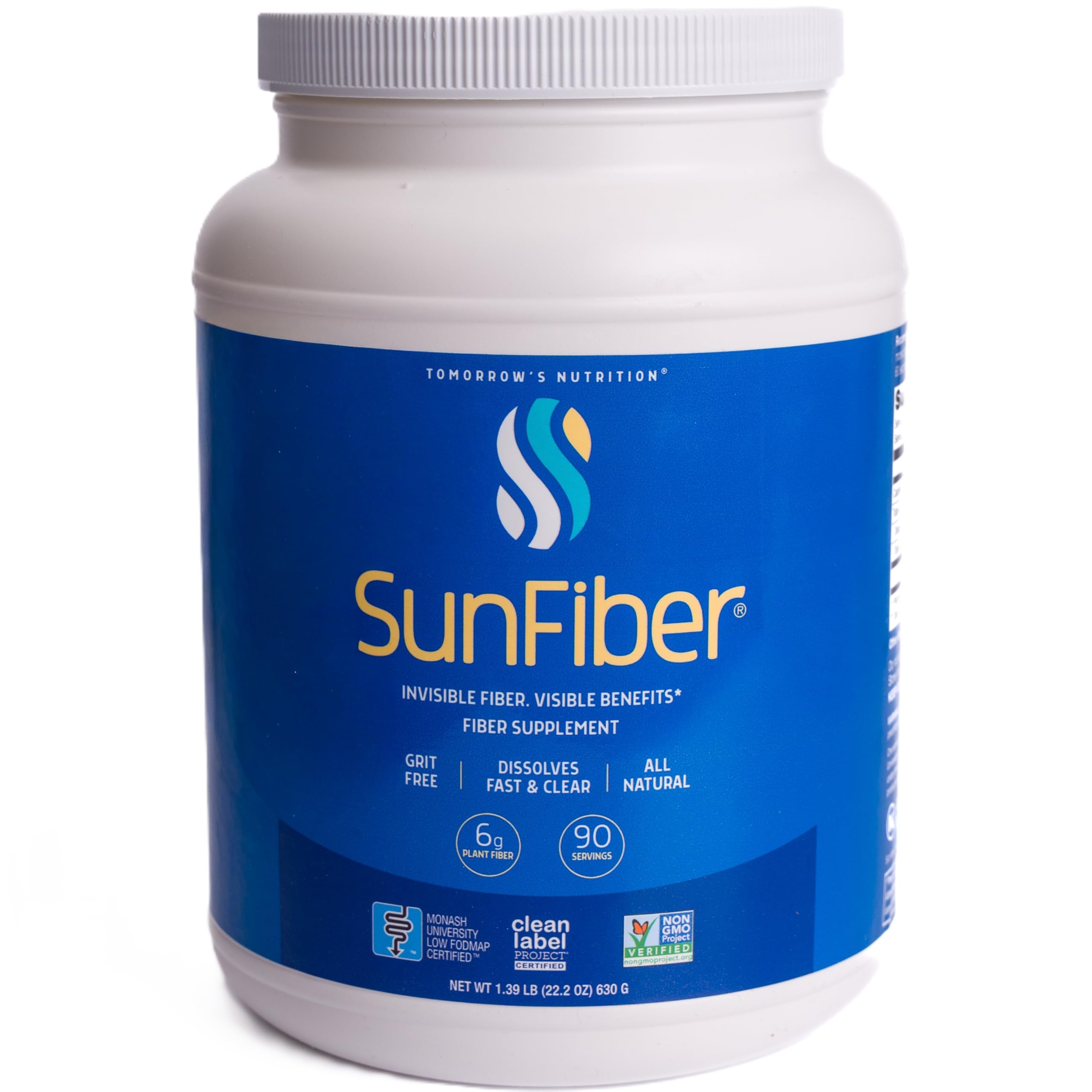
Tomorrow's Nutrition, Sunfiber, Prebiotic Fiber Supplement for Digestive Health, Low FODMAP, Gluten-Free, Unflavored, 30 Servings : Everything Else
Buy Tomorrow's Nutrition, Sunfiber, Prebiotic Fiber Supplement for Digestive Health, Low FODMAP, Gluten-Free, Unflavored, 30 Servings on Amazon.com ✓ FREE SHIPPING on qualified orders
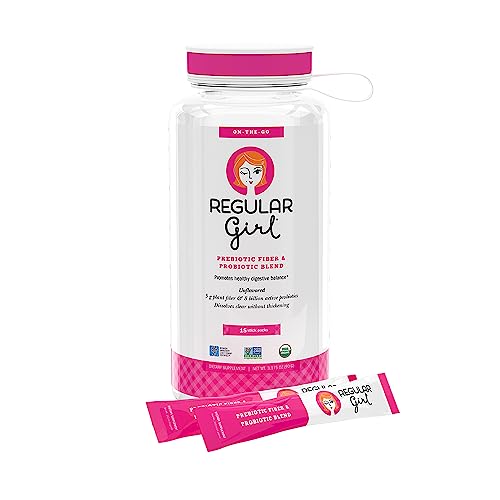
Regular Girl Organic Powder, Prebiotic Fiber Supplement and Probiotics for Women, Low FODMAP, 30 Servings, Unflavored : Everything Else
Always feel your best from the ... digestive balance. <strong>Each serving contains 6 grams of prebiotic fiber (Sunfiber) - an all-natural, regulating, soluble dietary fiber with optimal gut transit t
Evidence & Sources
Promising research with growing clinical support from multiple studies
- World Journal of Gastroenterology
- Nutrients
- Journal of Clinical Biochemistry and Nutrition
- Digestive Diseases and Sciences
- Nutrition in Clinical Practice
- National Center for Complementary and Integrative Health (NCCIH)
- World Gastroenterology Organisation
- American Journal of Gastroenterology
This content is for informational purposes only and does not constitute medical advice. Always consult a qualified healthcare provider before starting, stopping, or changing any supplement or medication regimen.