

Papain
Also known as: Papaya Enzyme, Papain Enzyme
Overview
Papain is a proteolytic enzyme derived primarily from the latex of the papaya plant (Carica papaya), especially the unripe fruit. Its main biochemical role is to break down proteins into smaller peptides and amino acids, which is why it is widely used in digestive enzyme products and is often discussed in relation to post-meal heaviness, indigestion, and protein digestion support. Beyond supplements, papain has also been used in the food industry as a meat tenderizer and in some topical preparations because of its protein-dissolving activity.
From a health perspective, papain is most commonly positioned as a digestive aid, particularly in formulas marketed for bloating or discomfort after meals. Interest in papain also overlaps with broader discussions about digestive enzymes, a category that includes bromelain, pancreatin, lactase, and other compounds intended to assist specific aspects of digestion. While papain has a long history of practical use and a plausible biological mechanism, the strength of evidence for routine supplemental use in otherwise healthy people remains mixed and often depends on the specific condition being studied.
Papaya itself has a long record of traditional use in many cultures, where the fruit, seeds, leaves, and latex have been used for digestive complaints and other purposes. In supplement form, however, papain is typically standardized as an isolated or concentrated enzyme rather than consumed as part of the whole fruit. This distinction matters because whole-food papaya and purified papain are not identical interventions, and findings on one do not always translate directly to the other.
Safety is an important part of the discussion. Research and clinical references suggest papain is generally recognized as biologically active, but it may also pose risks in certain contexts, including allergic reactions, especially in people with sensitivity to papaya or latex, and possible irritation if used inappropriately. As with any supplement, interpretation of benefits and risks is best individualized with a qualified healthcare professional, particularly for people with digestive disease, food allergies, pregnancy-related concerns, or those taking multiple medications.
Medical Perspectives
Two Ways of Seeing Health

Western
scientific · clinical
Western medicine applies science, technology, and clinical experience to treat symptoms through testing, diagnosis, and targeted intervention.

Eastern
traditional · alternative
Eastern medicine focuses on treating the body naturally by applying traditional knowledge practiced for thousands of years, emphasizing balance and whole-person wellness.
Gold Bamboo presents both perspectives side-by-side so you can make informed decisions. We don't advocate for one over the other — your health choices are yours.
Western Medicine Perspective
Western Medicine Perspective
In conventional medicine, papain is understood primarily through its enzymatic activity. As a cysteine protease, it helps hydrolyze proteins, which provides the theoretical basis for its inclusion in digestive support products. From this perspective, papain is not considered an essential nutrient but rather a functional enzyme supplement that may have situational usefulness. Scientific interest has focused on whether supplemental enzymes can reduce symptoms such as fullness, bloating, or discomfort after eating, particularly when meals are high in protein or when digestive function is impaired.
However, the clinical evidence specific to papain alone is relatively limited compared with the broader digestive enzyme category. Some studies involving papaya-based preparations or enzyme combinations suggest possible benefit for dyspepsia-like symptoms, but the research base is not large enough to support broad conclusions for all populations. Conventional gastroenterology generally places greater emphasis on identifying underlying causes of ongoing digestive symptoms—such as gastroesophageal reflux, peptic disease, functional dyspepsia, pancreatic insufficiency, celiac disease, irritable bowel syndrome, or food intolerance—rather than assuming an isolated enzyme deficiency.
Western safety reviews also note that papain can be pharmacologically active and irritating. Oral use in supplement amounts has been marketed for digestion, but reports in the medical literature have raised concerns about hypersensitivity, mucosal irritation, and cross-reactivity in people with latex-fruit syndrome. Topical papain has received additional scrutiny in wound-care contexts because of adverse reactions in some cases. Overall, conventional medicine tends to view papain as a potential adjunct with limited but plausible digestive rationale, while emphasizing product quality, allergy risk, and the importance of medical evaluation when symptoms are persistent or severe.
Eastern & Traditional Perspective
Eastern and Traditional Medicine Perspective
In traditional systems, papaya and papaya-derived substances are often regarded less as isolated enzymes and more as part of a broader understanding of digestive balance. In many folk and traditional healing contexts across Asia, Latin America, and tropical regions where papaya is widely cultivated, papaya has been traditionally used for sluggish digestion, heaviness after meals, and bowel irregularity. The rationale is often functional and experiential: foods or botanicals that appear to assist digestion are used to support comfort after eating and improve the body's handling of rich or difficult-to-digest meals.
Within Ayurvedic-style interpretation, digestive symptoms are often framed through the concept of agni, or digestive fire. A papaya-derived substance such as papain may be viewed as supporting the body's capacity to transform food efficiently, particularly when digestion feels weak, heavy, or incomplete. In this framework, digestive aids are typically considered in the context of the whole dietary pattern, meal timing, and constitution rather than as stand-alone biochemical tools.
In traditional and integrative East Asian perspectives, digestive discomfort is often connected to patterns involving weakness in digestive function, stagnation, or dampness accumulation. Although papain itself is not a classic foundational substance in Traditional Chinese Medicine in the same way as long-established herbs, papaya as a food and digestive support agent may be incorporated into broader wellness strategies aimed at promoting smoother digestion and reducing post-meal burden. Naturopathic and integrative traditions similarly tend to place papain within a wider digestive support model that may include mindful eating, dietary adjustment, bitters, demulcents, or multi-enzyme formulas.
These traditional perspectives generally rely on historical use and whole-system interpretation rather than modern randomized trial evidence specific to papain. As a result, papain is often respected in traditional practice for its digestive-support role, while modern integrative practitioners typically balance that tradition with contemporary concerns about allergy risk, formulation quality, and whether symptoms may reflect a condition requiring formal medical assessment.
Supplements & Products
Recommended Products

Enzyme Nutrition: Dr. Edward Howell
Written by one of America’s pioneering biochemists and nutrition researchers, Dr. Edward Howell, Enzyme Nutrition <strong>presents the most vital nutritional discovery since that of vitamins and miner
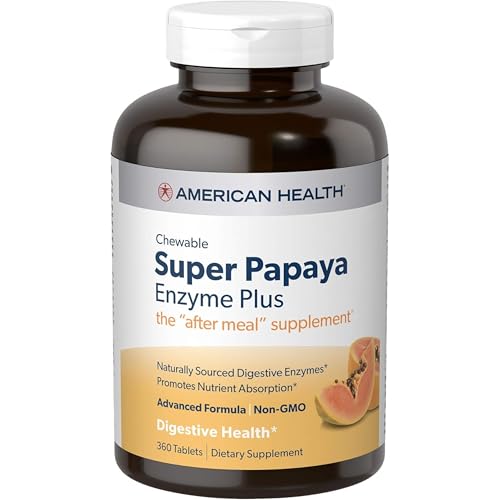
American Health Products Super Papaya Enzyme Plus 360 Tablets
American Health Super Papaya Enzyme Plus - 180 Chewable Tablets - The After-Meal Supplement - Non-GMO - 60 Servings · Papaya Enzyme Capsules 500mg - Organic Enzymes for Digestion with Papain, Gut Clea

NOW Foods Supplements, Super Enzymes, Formulated with Bromelain, Ox Bile, Pancreatin and Papain,180 Capsules
NOW Foods Supplements, Super Enzymes, Formulated with Bromelain, Ox Bile, Pancreatin and Papain, 180 Tablets
Evidence & Sources
Promising research with growing clinical support from multiple studies
- National Center for Complementary and Integrative Health (NCCIH)
- U.S. National Library of Medicine / PubMed
- European Medicines Agency (EMA) herbal and traditional medicine references
- World Health Organization (WHO) monographs on medicinal plants
- Journal of Ethnopharmacology
- Phytotherapy Research
- Molecules
- Food Chemistry
This content is for informational purposes only and does not constitute medical advice. Always consult a qualified healthcare provider before starting, stopping, or changing any supplement or medication regimen.