

Nattokinase
Overview
Nattokinase is an enzyme extracted from natto, a traditional Japanese fermented soybean food made with Bacillus subtilis var. natto. It is widely discussed in integrative health for its potential role in cardiovascular support, particularly because laboratory and early clinical research suggests it may influence fibrinolysis—the body’s process of breaking down fibrin, a protein involved in blood clot formation. For this reason, nattokinase is often marketed for circulation, vascular wellness, and general heart health.
Interest in nattokinase sits at the intersection of food tradition and modern supplement science. Natto has been consumed in Japan for centuries, and population-based observations have helped drive curiosity about whether compounds within fermented soy foods contribute to cardiovascular resilience. Nattokinase, isolated as a specific enzyme, has since become available as a dietary supplement and has been studied for effects on markers such as blood flow, fibrin breakdown, blood pressure, and possibly platelet-related processes.
At the same time, the topic requires careful nuance. While some studies indicate potential benefits for circulatory function and blood clot-related pathways, the human evidence base remains more limited than that for established cardiovascular therapies. Research varies in quality, sample size, and outcome measures, and not all studies examine hard clinical endpoints such as heart attack, stroke, or confirmed thrombosis reduction. This makes nattokinase an area of active interest but not settled consensus within mainstream medicine.
A major safety consideration is that nattokinase is associated with blood-thinning or fibrinolytic activity, at least theoretically and in some research contexts. That means discussions about its use are especially relevant for people with bleeding disorders, those preparing for surgery, or anyone taking anticoagulant or antiplatelet medications. As with many supplements that affect cardiovascular physiology, consultation with a qualified healthcare professional is important before use, particularly when there are existing medical conditions or prescription therapies involved.
Medical Perspectives
Two Ways of Seeing Health

Western
scientific · clinical
Western medicine applies science, technology, and clinical experience to treat symptoms through testing, diagnosis, and targeted intervention.

Eastern
traditional · alternative
Eastern medicine focuses on treating the body naturally by applying traditional knowledge practiced for thousands of years, emphasizing balance and whole-person wellness.
Gold Bamboo presents both perspectives side-by-side so you can make informed decisions. We don't advocate for one over the other — your health choices are yours.
Western Medicine Perspective
Western Medicine Perspective
From a conventional biomedical perspective, nattokinase is primarily evaluated for its potential effects on hemostasis, thrombosis, and vascular health. Laboratory studies suggest it may enhance fibrinolytic activity directly or indirectly, including effects on fibrin degradation and pathways related to plasmin generation. Some human studies have also explored whether nattokinase influences blood pressure, blood viscosity, and circulation-related biomarkers. These mechanisms are biologically plausible enough to justify research interest, especially given the burden of cardiovascular disease worldwide.
However, western medicine generally distinguishes between mechanistic promise and clinical proof. At present, nattokinase is not considered a standard treatment for blood clots, stroke prevention, coronary artery disease, or other cardiovascular conditions. Existing clinical studies are relatively small, sometimes short in duration, and often focused on surrogate markers rather than major outcomes. Reviews of the literature commonly conclude that findings are intriguing but insufficient to place nattokinase on the same evidentiary level as approved antithrombotic or antihypertensive therapies.
Safety is a central issue in the conventional view. Because nattokinase may influence clotting and fibrin breakdown, clinicians often view it as a supplement that warrants caution in the context of bleeding risk, surgery, and concurrent use of medications such as warfarin, direct oral anticoagulants, aspirin, or clopidogrel. Case reports and safety discussions in the literature have raised concern about possible adverse events in susceptible individuals, although the true incidence is not well defined. Product quality, potency standardization, and variability across manufacturers are also relevant considerations in supplement assessment.
Overall, conventional medicine tends to regard nattokinase as a promising but not fully established cardiovascular supplement. Research suggests possible physiologic effects, but evidence remains incomplete, and decisions about its use are generally framed within broader discussions of cardiovascular risk, medication interactions, and individualized medical oversight.
Eastern & Traditional Perspective
Eastern and Traditional Medicine Perspective
Nattokinase’s traditional context comes most directly from Japanese food culture, where natto has long been valued as a nourishing fermented food. In this setting, its significance is not traditionally described in the biochemical language of fibrinolysis, but rather through a broader food-as-medicine lens in which fermented foods are appreciated for supporting vitality, digestion, and long-term resilience. The modern isolation of nattokinase as a single enzyme represents a more recent scientific development built upon that traditional culinary foundation.
Within broader East Asian and integrative medicine frameworks, cardiovascular symptoms are often interpreted through patterns involving circulation, stagnation, heat, deficiency, or phlegm accumulation, depending on the system. In Traditional Chinese Medicine, for example, concerns related to blocked flow may be discussed in terms of impaired movement of Blood and Qi, while Japanese Kampo traditions may emphasize constitution, circulation, and digestive strength. Although nattokinase itself is not a classical TCM herb, fermented foods and soy-derived substances may be considered in relation to digestive transformation and systemic balance.
In Ayurvedic and naturopathic perspectives, cardiovascular wellness is typically understood in a whole-system way that includes digestion, metabolism, inflammation, vessel integrity, and lifestyle patterns. A substance like nattokinase may be viewed as relevant to healthy circulation or blood flow, but traditional systems generally place such agents within a larger framework rather than treating them as isolated solutions. This contrasts with the modern supplement model, where one extracted compound is often highlighted for one dominant mechanism.
Across traditional and integrative settings, the key theme is balance rather than single-target intervention. Nattokinase is therefore often discussed as part of a broader conversation about fermented foods, circulation, and metabolic health. Even in these traditions, however, contemporary safety concerns—especially around bleeding risk and interactions with medications—remain important when applying historical ideas to modern supplement use.
Supplements & Products
Recommended Products

Vitamin K2 and the Calcium Paradox: How a Little-Known Vitamin Could Save Your Life: Rheaume-Bleue, Kate
<strong>This is the first book to reveal how universal a Vitamin K2 deficiency is, and the risk (in the form of cancer and diabetes, among other ailments) the absence of Vitamin K2 poses</strong>.
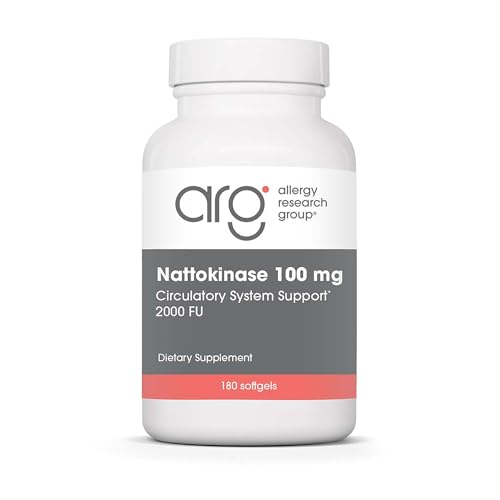
Doctor's Best Nattokinase 2000 FU Supplement for Men & Women - Supports Blood Flow, Heart Health, & Healthy Circulation, Nattokinase Enzyme Sourced from Japanese Natto, Capsule Form - 90 Veg Caps
Nattokinase (enzyme activity in fibrinolytic units) 2,000 FU, Modified cellulose (vegetarian capsule), maltodextrin, magnesium stearate (vegetable source).
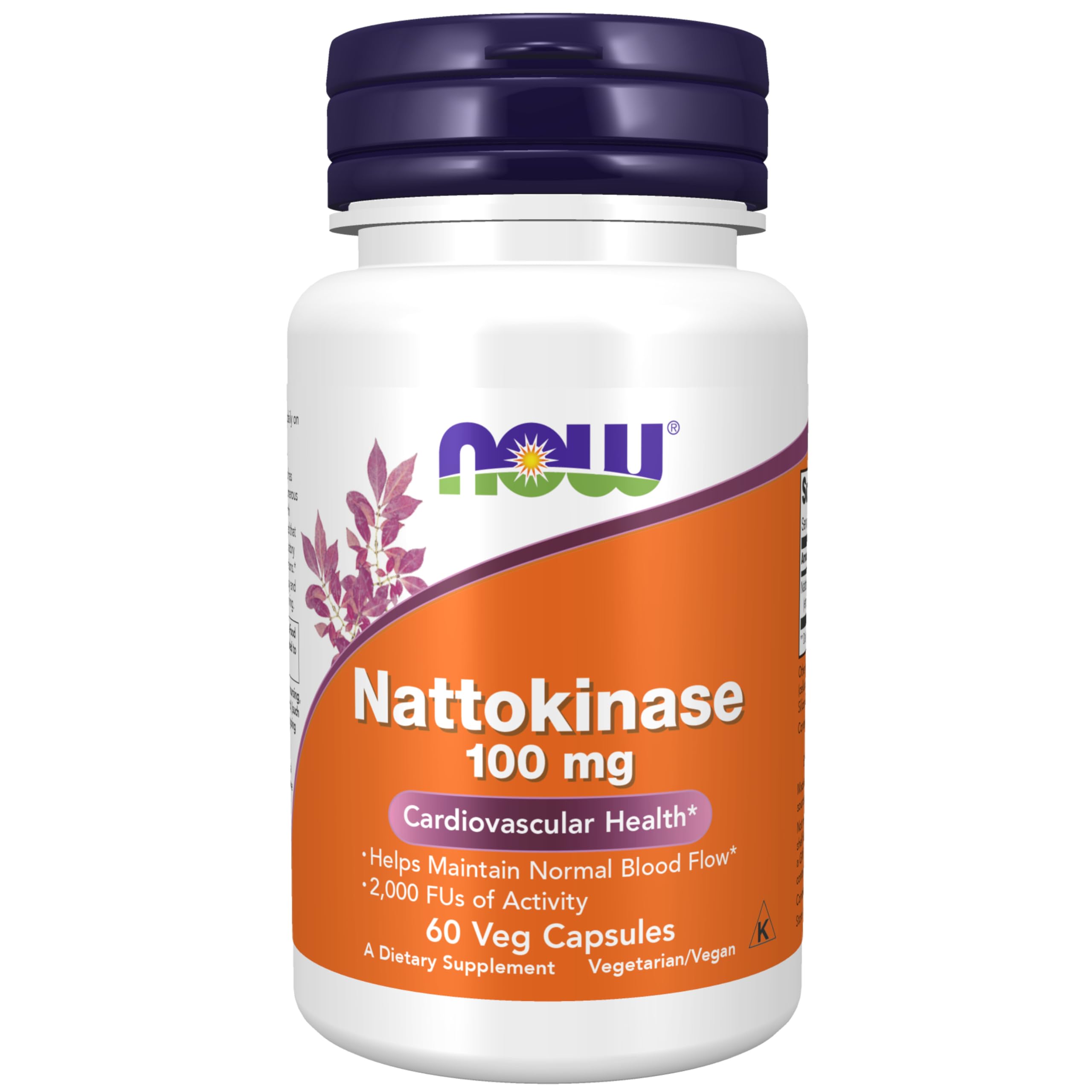
NOW Supplements, Nattokinase 100 mg (from Non-GMO Soy) with 2,000 FUs of Activity, 60 Veg Capsules
CARDIOVASCULAR HEALTH*/HELPS MAINTAIN ... FIBRINOLYTIC UNITS OF ACTIVITY: NOW Nattokinase is <strong>derived from non-GMO soy and has 2,000 FUs (Fibrinolytic Units) per 100 mg serving</strong>...
Evidence & Sources
Promising research with growing clinical support from multiple studies
- National Center for Complementary and Integrative Health (NCCIH)
- National Institutes of Health Office of Dietary Supplements
- Nutrition Research
- Hypertension Research
- Scientific Reports
- Frontiers in Cardiovascular Medicine
- Integrative Medicine Research
- Journal of Functional Foods
This content is for informational purposes only and does not constitute medical advice. Always consult a qualified healthcare provider before starting, stopping, or changing any supplement or medication regimen.