

N-Acetyl Cysteine
Also known as: NAC, N-Acetyl Cysteine, NAC (N-Acetyl Cysteine)
Overview
N-acetylcysteine (NAC) is a supplemental and pharmaceutical form of the amino acid L-cysteine. It is best known as a precursor to glutathione, one of the body’s major endogenous antioxidants, and for its ability to help break down thick mucus through mucolytic activity. In clinical medicine, NAC has long been used in specific hospital and emergency settings, especially as an antidote for acetaminophen (paracetamol) overdose and in some respiratory contexts. As a dietary supplement, it is often discussed in relation to oxidative stress, liver health, respiratory support, and broader metabolic or neurologic research areas.
NAC’s significance comes from the fact that it intersects several biologic pathways at once. It can help replenish intracellular glutathione, influence redox balance, and affect inflammatory signaling and mucus viscosity. Because oxidative stress and inflammation are involved in many chronic conditions, NAC has attracted interest across a wide range of topics including chronic lung disease, psychiatric and neurologic disorders, fertility, cardiometabolic health, and liver function. At the same time, the breadth of interest has led to a mixed evidence base: some uses are well established in conventional care, while others remain investigational or supported mainly by small or moderate-quality studies.
From a safety and regulatory standpoint, NAC occupies an unusual space because it exists both as a prescription/clinical drug ingredient and as a widely marketed supplement in many regions. Research generally describes it as having a well-characterized pharmacology, but outcomes vary depending on dose, route of administration, duration, and the population studied. Reported adverse effects in studies often include gastrointestinal symptoms such as nausea or diarrhea, and NAC may be inappropriate in certain clinical contexts or alongside particular medications. For that reason, discussions of NAC are typically framed around the importance of individualized medical guidance.
Overall, NAC is one of the more scientifically visible supplements because part of its role is firmly integrated into mainstream medicine, while other potential applications remain under active investigation. This combination makes it a notable example of a supplement with both established medical uses and broader exploratory wellness interest.
Medical Perspectives
Two Ways of Seeing Health

Western
scientific · clinical
Western medicine applies science, technology, and clinical experience to treat symptoms through testing, diagnosis, and targeted intervention.

Eastern
traditional · alternative
Eastern medicine focuses on treating the body naturally by applying traditional knowledge practiced for thousands of years, emphasizing balance and whole-person wellness.
Gold Bamboo presents both perspectives side-by-side so you can make informed decisions. We don't advocate for one over the other — your health choices are yours.
Western Medicine Perspective
Western / Conventional Medicine Perspective
In conventional medicine, NAC is understood primarily through its biochemical and pharmacologic mechanisms. It serves as a cysteine donor that supports synthesis of glutathione, helping cells manage oxidative stress. It also has direct and indirect effects on reactive oxygen species, inflammatory cascades, and disulfide bonds in mucus, which helps explain its mucolytic use. The most established indication is treatment of acetaminophen toxicity, where timely administration of NAC can reduce the risk of severe liver injury. This is one of the clearest and most widely accepted uses in evidence-based medicine.
Beyond toxicology, studies have evaluated NAC in chronic bronchitis, COPD, cystic fibrosis-related mucus management, contrast-related kidney injury, polycystic ovary syndrome, male infertility, nonalcoholic fatty liver disease, and various psychiatric conditions such as obsessive-compulsive spectrum disorders, substance use disorders, and adjunctive care in mood disorders or schizophrenia. Results are mixed. Some meta-analyses suggest benefits in selected respiratory settings, particularly around mucus reduction or exacerbation frequency in some populations, while other areas show heterogeneity in study design and inconsistent outcomes. In psychiatry and neurology, NAC remains an area of interest because of possible effects on glutamate signaling, oxidative stress, and neuroinflammation, but it is not regarded as a universally established treatment.
Conventional clinicians generally distinguish between evidence-backed medical indications and supplement-level claims. Hospital use for acetaminophen overdose is standard and well studied, while broader supplement use is considered more condition-specific and less definitive. As with many supplements, quality control, dose variability, and product formulation may influence outcomes in real-world settings. Research and clinical guidance also note that people with chronic illness, those who are pregnant or breastfeeding, or those taking prescription medications would typically require individualized assessment from a qualified healthcare professional before using NAC.
Eastern & Traditional Perspective
Eastern / Traditional Medicine Perspective
NAC is not a classical herb or traditional formula ingredient in systems such as Traditional Chinese Medicine (TCM) or Ayurveda. Instead, it is better understood in integrative settings as a modern biochemical compound that may be mapped onto traditional concepts rather than originating from them. Because of its associations with detoxification, antioxidant activity, and respiratory mucus modulation, integrative practitioners may discuss NAC in relation to patterns involving phlegm accumulation, toxic burden, impaired transformation, or depletion of protective reserves, depending on the system being used.
In TCM-oriented interpretation, respiratory congestion and thick sputum are often framed through concepts such as phlegm-dampness, Lung dysfunction, or heat affecting the fluids. A modern agent like NAC may therefore be viewed as relevant to symptom patterns involving difficult expectoration or internal accumulation, even though it does not belong to the classical materia medica. TCM practice, however, traditionally emphasizes pattern differentiation and would more often rely on herbal formulas, acupuncture, diet, and lifestyle context rather than a single isolated compound.
In Ayurvedic and naturopathic frameworks, NAC may be described more in functional terms: as a compound of interest for supporting the body’s antioxidant defenses, liver-related pathways, and respiratory wellness. These interpretations may overlap with ideas related to ama (metabolic waste/toxic residue), tissue resilience, and balance in digestion and elimination, though NAC itself is not a traditional Ayurvedic substance. Integrative and naturopathic discussions frequently place NAC alongside broader support strategies such as diet, botanical medicine, breathing health, and environmental exposure reduction. The evidence for these traditional or integrative framings is generally indirect, relying on modern biochemical research rather than historical traditional use.
Supplements & Products
Recommended Products
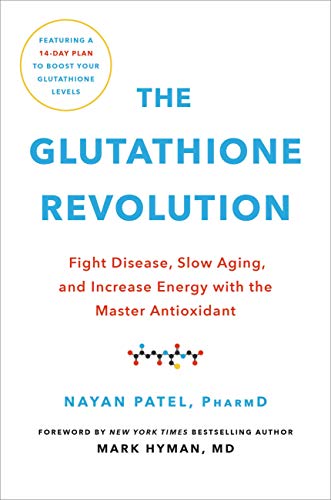
The Glutathione Revolution: Fight Disease, Slow Aging, and Increase Energy with the Master Antioxidant: Patel PharmD, Nayan, Hyman MD, Dr. Mark
Nayan Patel <strong>shares all the information you need to boost your glutathione levels, revitalize your body, and transform your life with this naturally-occurring super antioxidant</strong>. In The
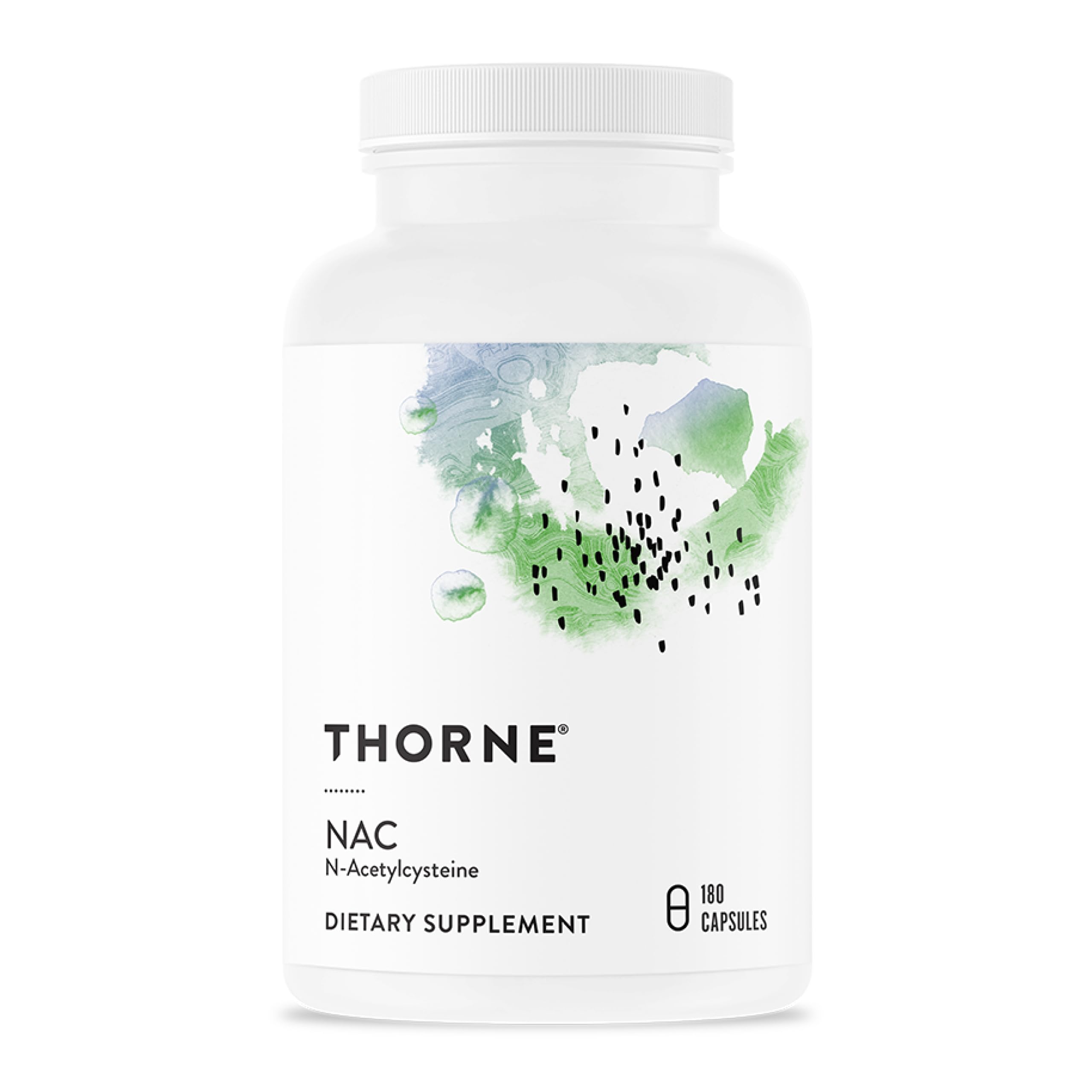
THORNE - NAC - N-Acetylcysteine - 500mg - Supports Respiratory Health & Immune Function - Promotes Liver & Kidney Detox* - Gluten, Dairy & Soy-Free - 90 Servings
Buy THORNE - NAC - N-Acetylcysteine - 500mg - <strong>Supports Respiratory Health & Immune Function - Promotes Liver & Kidney Detox</strong>* - Gluten, Dairy & Soy-Free - 90 Servings on Am
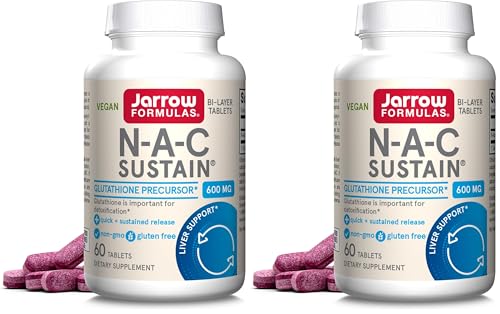
Jarrow Formulas N-A-C Sustain 600 mg, Dietary Supplement, NAC 600 mg, an Antioxidant Amino Acid Support for Liver Health, 60 Tablets, 60 Day Supply
"Jarrow Formulas NAC supplement 600 mg <strong>provides the antioxidant amino acid N-Acetyl L-Cysteine which supports detoxification processes</strong>.(1) This amino acid NAC supplement provides
Evidence & Sources
Promising research with growing clinical support from multiple studies
- National Institutes of Health (NIH)
- U.S. Food and Drug Administration (FDA)
- World Health Organization (WHO)
- Cochrane Reviews
- National Center for Complementary and Integrative Health (NCCIH)
- The Lancet
- New England Journal of Medicine
- European Respiratory Journal
- Chest
- Journal of Clinical Psychiatry
This content is for informational purposes only and does not constitute medical advice. Always consult a qualified healthcare provider before starting, stopping, or changing any supplement or medication regimen.