

Mullein
Also known as: Verbascum Thapsus, Mullein Leaf
Overview
Mullein refers most commonly to Verbascum thapsus, a flowering plant long used in traditional herbal practice, especially for respiratory comfort, throat soothing, and general support during periods of cough, congestion, or airway irritation. Its leaves and flowers are the parts most often used in teas, extracts, and multi-herb formulas marketed for the lungs and upper respiratory tract. In folk traditions across Europe, North America, and parts of Asia, mullein has been associated with demulcent, expectorant, and soothing properties.
Interest in mullein today is driven largely by its reputation as a “lung herb.” People commonly encounter it in herbal blends intended for seasonal respiratory support, hoarseness, dry or irritated throat, and mucus clearance. Phytochemical analyses suggest that mullein contains compounds such as mucilage, saponins, flavonoids, and iridoid glycosides, which may help explain why it has traditionally been used to calm irritated tissues and support the body’s normal handling of mucus. Laboratory research has also explored possible antimicrobial and anti-inflammatory effects, though these findings do not automatically translate into established clinical benefit in humans.
From a safety standpoint, mullein is generally regarded in herbal practice as relatively well tolerated when used appropriately, but the evidence base is not as robust as it is for many conventional medications. Product quality can vary, and the plant’s tiny hairs may be irritating if preparations are not properly strained. As with any botanical supplement, questions around preparation, dosing, interactions, pregnancy, underlying lung disease, and use alongside prescription therapies are best discussed with a qualified healthcare professional.
Overall, mullein occupies an important place in traditional respiratory herbalism, but its modern clinical evidence remains limited. It is best understood as an herb with a long history of use and plausible mechanisms of action, rather than one backed by large, high-quality human trials for specific respiratory conditions.
Medical Perspectives
Two Ways of Seeing Health

Western
scientific · clinical
Western medicine applies science, technology, and clinical experience to treat symptoms through testing, diagnosis, and targeted intervention.

Eastern
traditional · alternative
Eastern medicine focuses on treating the body naturally by applying traditional knowledge practiced for thousands of years, emphasizing balance and whole-person wellness.
Gold Bamboo presents both perspectives side-by-side so you can make informed decisions. We don't advocate for one over the other — your health choices are yours.
Western Medicine Perspective
Western Medicine Perspective
In conventional medicine, mullein is typically viewed as a traditional botanical with limited direct clinical evidence rather than a standard treatment for cough, bronchitis, asthma, chronic obstructive pulmonary disease, or other respiratory disorders. Researchers have examined mullein’s constituents for properties that may be relevant to airway symptoms, including mild anti-inflammatory activity, mucus-modulating effects, and soothing action on irritated mucous membranes. These mechanisms are biologically plausible and align with its historical use, but human studies specifically evaluating mullein alone for respiratory outcomes are sparse.
Modern evidence reviews generally place mullein in the category of complementary or traditional support rather than evidence-established therapy. In practice, conventional clinicians are more likely to focus on identifying the cause of cough or congestion—such as viral infection, allergy, asthma, reflux, smoking-related irritation, or bacterial illness—than on the herb itself. Persistent cough, shortness of breath, wheezing, chest pain, coughing up blood, or recurrent respiratory symptoms typically warrant medical evaluation, because these can reflect conditions that require diagnosis and standard care.
Western safety discussions around mullein often emphasize the same principles applied to other herbal supplements: variability in manufacturing, incomplete dosing data, limited interaction research, and the importance of using products from reputable sources. Mullein flower oil has also appeared in traditional ear preparations, but ear symptoms in conventional medicine are assessed carefully because the appropriateness of any topical product depends on the condition and the integrity of the eardrum. Overall, from a biomedical perspective, mullein is considered promising but not well validated for routine clinical respiratory use.
Eastern & Traditional Perspective
Eastern / Traditional Medicine Perspective
In Western herbalism and naturopathic traditions, mullein has long been categorized as a soothing, moistening, and expectorant herb for the respiratory tract. Herbal texts commonly describe it as being used for dry, irritated coughs, throat roughness, hoarseness, and situations in which mucus feels difficult to move. Rather than targeting a named disease in the modern biomedical sense, traditional practitioners often frame mullein as supporting the body’s natural capacity to calm irritated tissues and promote more comfortable breathing.
Within broader traditional and integrative frameworks, mullein is often selected based on its perceived tissue actions: demulcent, emollient, and gently clearing. It is frequently combined with other herbs such as licorice, marshmallow, thyme, or elecampane in formulas designed around patterns of dryness, irritation, or stagnation of phlegm. This pattern-based approach differs from conventional symptom suppression and instead emphasizes balancing the quality of the tissues, mucus, and overall constitution.
Mullein is not a major cornerstone herb in classical Traditional Chinese Medicine or Ayurveda in the same way it is in European-American herbalism, but integrative practitioners may still incorporate it alongside those systems’ frameworks. In TCM-style interpretation, its traditional use may loosely resemble herbs used to moisten the Lung and ease cough, while Ayurvedic-oriented practitioners may view it as relevant in patterns involving respiratory irritation and imbalance in the channels associated with breath and mucus. These comparisons are interpretive rather than classical. Across traditional systems, the main theme remains consistent: mullein is valued primarily as a gentle respiratory support herb with a long history of empirical use.
Supplements & Products
Recommended Products
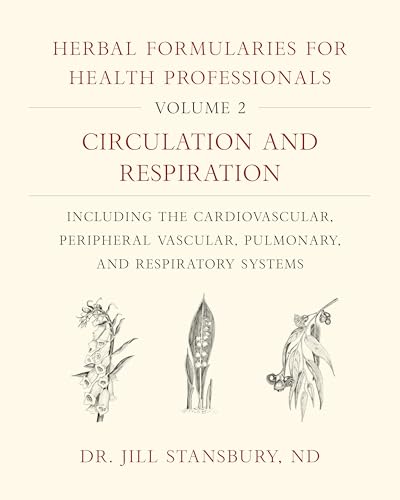
Herbal Formularies for Health Professionals, Volume 2: Circulation and Respiration, including the Cardiovascular, Peripheral Vascular, Pulmonary, and Respiratory Systems: Stansbury, Jill
Herbal Formularies for Health Professionals, Volume 2: <strong>Circulation and Respiration, including the Cardiovascular, Peripheral Vascular, Pulmonary, and Respiratory Systems</strong> [Stansbury, J
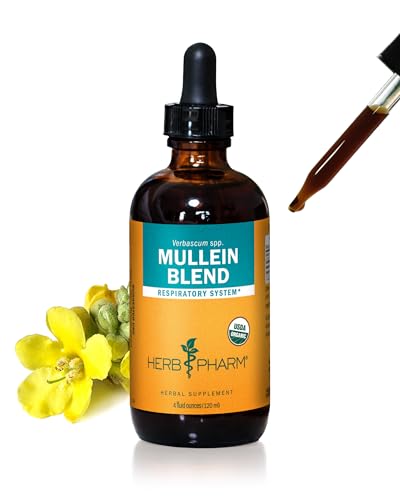
Herb Pharm Certified Organic Mullein Blend Liquid Extract for Respiratory System Support - 1 Ounce
🍃 POTENT ORGANIC MULLEIN EXTRACT: Our Mullein Blend (Mullein leaf & flower blended) is made with organic Mullein. <strong>A non-GMO option for effective traditional respiratory care</strong>. Ben

Buddha Teas - Mullein Leaf - Organic Herbal Tea - Single Ingredient - Warm Amber Hue - Mild, Earthy, Sweet Taste - Enjoy Hot or Cold - Caffeine Free - 100% Kosher & Non-GMO - 18 Tea Bags (Pack of 1) : Herbal Teas
Amazon.com : Buddha Teas - Mullein Leaf - Organic Herbal Tea - <strong>Single Ingredient - Warm Amber Hue - Mild, Earthy, Sweet Taste - Enjoy Hot or Cold - Caffeine Free - 100% Kosher & Non-GMO -
Evidence & Sources
Early-stage research, mostly preclinical or preliminary human studies
- National Center for Complementary and Integrative Health (NCCIH)
- European Medicines Agency (EMA) herbal monographs
- American Botanical Council
- Journal of Ethnopharmacology
- Phytotherapy Research
- HerbalGram
- World Health Organization (WHO) monographs on selected medicinal plants
This content is for informational purposes only and does not constitute medical advice. Always consult a qualified healthcare provider before starting, stopping, or changing any supplement or medication regimen.