

Methylsulfonylmethane
Also known as: MSM, Dimethyl Sulfone, Methylsulfonylmethane
Overview
MSM (methylsulfonylmethane) is an organosulfur compound found naturally in small amounts in plants, animals, and the human body, and it is widely marketed as a dietary supplement. It is most commonly discussed in relation to joint comfort, connective tissue support, exercise recovery, and skin health. Sulfur is a structural component of important biological molecules, and MSM is often described as a supplemental source of sulfur that may contribute to the maintenance of cartilage, collagen, keratin, and other connective tissues.
Interest in MSM has grown alongside broader consumer demand for non-pharmaceutical approaches to mobility, healthy aging, and inflammation-related wellness. In supplement research, MSM is frequently studied for osteoarthritis symptoms, post-exercise soreness, oxidative stress, and quality of life measures related to joint function. It also appears in combination products with glucosamine, chondroitin, boswellia, collagen, or hyaluronic acid, which can make interpretation of the evidence more complex.
From a safety standpoint, MSM is generally regarded as well tolerated in short-term studies, with gastrointestinal upset, headache, bloating, or mild skin reactions among the more commonly reported side effects. However, as with many supplements, product quality, formulation differences, and dose ranges vary considerably. Research remains active, but the strongest human data are concentrated in a limited number of indications, particularly mild-to-moderate osteoarthritis and exercise-related recovery outcomes.
Overall, MSM occupies a middle ground between mainstream supplement use and integrative medicine. It is neither a conventional first-line therapy nor a purely traditional remedy. Instead, it is best understood as a widely used complementary supplement with plausible biological mechanisms and a modest but growing clinical literature. People considering MSM, especially those with chronic illness, pregnancy, planned surgery, or concurrent medication use, are generally advised to review supplement use with a qualified healthcare professional.
Medical Perspectives
Two Ways of Seeing Health

Western
scientific · clinical
Western medicine applies science, technology, and clinical experience to treat symptoms through testing, diagnosis, and targeted intervention.

Eastern
traditional · alternative
Eastern medicine focuses on treating the body naturally by applying traditional knowledge practiced for thousands of years, emphasizing balance and whole-person wellness.
Gold Bamboo presents both perspectives side-by-side so you can make informed decisions. We don't advocate for one over the other — your health choices are yours.
Western Medicine Perspective
Western Medicine Perspective
In conventional and integrative biomedical literature, MSM is primarily evaluated for its potential anti-inflammatory, antioxidant, and connective tissue-supporting effects. Proposed mechanisms include modulation of inflammatory signaling, reduction of oxidative stress, and possible effects on sulfur availability for structural proteins and tissue metabolism. These mechanisms are biologically plausible, but they do not automatically translate into large clinical effects, so the emphasis in Western medicine remains on human trial outcomes rather than theory alone.
The best-studied use of MSM in conventional research is osteoarthritis, especially of the knee. Some randomized controlled trials and reviews suggest MSM may be associated with small improvements in pain and physical function compared with placebo over short study periods. There is also emerging research on MSM for exercise recovery, where studies indicate it may help reduce markers of muscle damage, perceived soreness, or oxidative stress after strenuous activity in some populations. Evidence for skin quality, allergic rhinitis, and other inflammatory or recovery-related uses is more preliminary.
From a clinical perspective, Western medicine generally views MSM as a complementary option with limited-to-moderate evidence, not a replacement for established diagnostic evaluation or standard treatment when those are indicated. Limitations of the literature include small sample sizes, short duration, heterogeneous dosing, and frequent use in combination formulas. Clinicians may also note that dietary supplements are not regulated to the same standard as prescription drugs for efficacy before marketing. Anyone considering MSM in the context of arthritis, chronic pain, inflammatory symptoms, or recovery concerns may benefit from discussing the broader clinical picture with a licensed healthcare provider.
Eastern & Traditional Perspective
Eastern / Traditional Medicine Perspective
MSM does not have the same long historical status in Traditional Chinese Medicine (TCM) or Ayurveda as classical botanicals, minerals, or food-based remedies. Instead, it is more often incorporated into modern integrative and naturopathic practice as a contemporary supplement that aligns with traditional goals such as supporting joint mobility, tissue resilience, balanced inflammatory response, and post-exertion recovery. In this sense, MSM is typically interpreted through traditional frameworks rather than originating from them.
In TCM-informed integrative practice, joint discomfort and reduced mobility are often understood in relation to patterns such as Bi syndrome, where blockage involving wind, cold, damp, heat, blood stasis, or deficiency may affect the channels and musculoskeletal system. A modern supplement like MSM may be viewed as supportive of the body’s structural tissues, but traditional care would generally place greater emphasis on the underlying pattern, using approaches such as acupuncture, movement practices, dietary therapy, and traditional herbs selected according to the individual presentation.
In Ayurvedic and naturopathic perspectives, MSM is often discussed in relation to maintaining healthy connective tissues, supporting recovery after physical strain, and promoting skin, hair, and nail integrity. These ideas may overlap conceptually with Ayurvedic concerns around joint lubrication, tissue nourishment, and balance of inflammatory tendencies, though MSM itself is not a classical Ayurvedic substance. Naturopathic frameworks may pair it conceptually with broader lifestyle and nutritional support for musculoskeletal health.
Because MSM is fundamentally a modern supplement rather than a traditional materia medica staple, the Eastern/traditional perspective is best characterized as integrative adaptation rather than historical use. As with other complementary approaches, responsible use typically involves individualized assessment by a qualified practitioner, particularly when symptoms are persistent, progressive, or medically complex.
Supplements & Products
Recommended Products
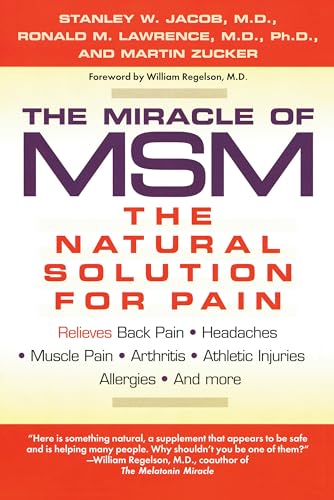
The Miracle of MSM: The Natural Solution for Pain: Jacob, Stanley W.
Stanley Jacob and Ronald Lawrence reveal how to tap into the benefits of this amazing "miracle" compound. Experienced in the successful treatment of thousands of patients for pain, they expl

Jarrow Formulas MSM 1000 mg - 200 Veggie Capsules - Methylsulfonylmethane - Source of Sulfur - Dietary Supplement Supports & Strengthens Joints - Up to 200 Servings
Doctor's Best MSM Supplement Capsules for Men & Women - <strong>Supports Hair, Skin, Nails, Joint Health & Mobility, 3000 mg Per Serving, Delivers Beneficial Sulfur w/ OptiMSM, Gluten Fre

Doctor's Best Glucosamine Chondroitin MSM + Hyaluronic Acid with OptiMSM Featuring Biocell Collagen, Joint Support, Non-GMO, Gluten & Soy Free, 150 Caps
Potassium (from glucosamine sulfate ... (capsule), rice powder, magnesium stearate (vegetable source). <strong>Take 5 capsules twice daily, with or without food</strong>....
Evidence & Sources
Promising research with growing clinical support from multiple studies
- National Center for Complementary and Integrative Health (NCCIH)
- Osteoarthritis and Cartilage
- BMC Complementary Medicine and Therapies
- Journal of the International Society of Sports Nutrition
- Nutrients
- Clinical Drug Investigation
- Food and Chemical Toxicology
- Molecules
This content is for informational purposes only and does not constitute medical advice. Always consult a qualified healthcare provider before starting, stopping, or changing any supplement or medication regimen.