

Molybdenum
Also known as: Molybdenum Glycinate, Molybdenum Chelate
Overview
Molybdenum is an essential trace mineral required in very small amounts for normal human physiology. Its primary role is as a cofactor for several enzymes, including sulfite oxidase, xanthine oxidoreductase, aldehyde oxidase, and mitochondrial amidoxime reducing component. Through these enzymes, molybdenum participates in sulfur amino acid metabolism, the processing of certain drugs and toxins, and the breakdown of purines into uric acid. Although it receives far less public attention than minerals such as magnesium, zinc, or iron, molybdenum is indispensable for biochemical pathways tied to cellular detoxification and intermediary metabolism.
Dietary molybdenum is typically obtained from legumes, grains, nuts, and organ meats, and true deficiency appears to be rare in the general population consuming a varied diet. Interest in molybdenum supplements often centers on sulfite sensitivity, sulfur metabolism, and support for enzymes involved in aldehyde and sulfite processing. Some consumers also encounter molybdenum in discussions of “detox support,” though that term is broad and often used inconsistently outside the scientific literature. In conventional nutrition, molybdenum is recognized as an essential micronutrient, but supplementation is not routinely emphasized for the general population unless there is a specific clinical context.
Clinical symptoms of molybdenum deficiency in humans have been described only rarely, most notably in cases involving long-term parenteral nutrition without adequate trace mineral provision or certain rare genetic disorders affecting molybdenum cofactor metabolism. Severe deficiency or inherited molybdenum cofactor deficiency can impair sulfite metabolism and produce serious neurologic consequences, but these conditions are distinct from the more common consumer questions about routine supplementation. At the same time, excessive intake may also be problematic, particularly because molybdenum influences uric acid metabolism and may interact with copper balance at high exposures.
From a public health perspective, molybdenum is best understood as a necessary but low-dose nutrient: essential for life, usually obtained from food, and of greatest medical interest when deficiency, excess, or enzyme-related disorders are suspected. Research supports its biochemical importance, but evidence for broad supplemental use in otherwise healthy adults remains more limited and context-dependent than marketing claims often imply. As with any supplement, interpretation is best individualized in consultation with a qualified healthcare professional, especially when symptoms such as food reactions, unexplained fatigue, metabolic concerns, or gastrointestinal issues are involved.
Medical Perspectives
Two Ways of Seeing Health

Western
scientific · clinical
Western medicine applies science, technology, and clinical experience to treat symptoms through testing, diagnosis, and targeted intervention.

Eastern
traditional · alternative
Eastern medicine focuses on treating the body naturally by applying traditional knowledge practiced for thousands of years, emphasizing balance and whole-person wellness.
Gold Bamboo presents both perspectives side-by-side so you can make informed decisions. We don't advocate for one over the other — your health choices are yours.
Western Medicine Perspective
Western Medicine Perspective
In conventional medicine and nutritional science, molybdenum is classified as an essential trace element with clearly established biochemical functions. It is needed to activate a small set of molybdoenzymes, especially sulfite oxidase, which converts sulfite to sulfate; xanthine oxidoreductase, involved in purine metabolism and uric acid formation; and aldehyde oxidase, which helps metabolize aldehydes and certain drugs. These functions explain why molybdenum is often discussed in relation to sulfite handling, metabolic processing, and specific inherited metabolic disorders.
Western medicine generally does not view molybdenum deficiency as a common cause of nonspecific symptoms in the general population. The most clearly documented deficiency states have occurred in highly specialized settings, such as prolonged intravenous feeding without adequate trace minerals, or in molybdenum cofactor deficiency, a rare genetic condition associated with severe neurologic disease. For most people, standard dietary intake is considered sufficient. When sulfite sensitivity is discussed clinically, the focus is often on the distinction between true sulfite sensitivity, allergic or pseudoallergic reactions, asthma-associated reactivity, and broader self-reported intolerance patterns; molybdenum supplementation is not a mainstream first-line medical approach for these issues, though its mechanistic role through sulfite oxidase is biologically relevant.
Safety considerations are also part of the conventional framework. Because molybdenum can affect uric acid production, excessive intake has been associated in some reports with gout-like symptoms. Very high exposure may also interfere with copper status. For this reason, conventional medicine tends to frame molybdenum as a nutrient where adequacy matters more than excess. Laboratory assessment is not commonly performed in routine care unless there is concern for unusual deficiency, toxicity, or a rare metabolic disorder. Overall, research strongly supports molybdenum’s essential role in human biochemistry, but evidence for widespread supplementation for “detox” or general wellness remains relatively limited.
Eastern & Traditional Perspective
Eastern and Traditional Medicine Perspective
In Traditional Chinese Medicine (TCM) and Ayurveda, molybdenum is not typically described as a standalone therapeutic substance in the same way it is in modern nutritional biochemistry. Instead, traditional systems usually interpret symptoms through broader patterns such as digestive weakness, damp accumulation, liver imbalance, impaired transformation, toxin burden, or disturbed metabolic fire rather than through trace mineral status alone. A person interested in molybdenum for sulfite sensitivity or metabolic support might, within these systems, be understood through functional patterns involving the Liver, Spleen, Lung, or digestive-agni-related processes, depending on the symptom picture.
From an integrative perspective, molybdenum can be viewed as fitting into a broader traditional emphasis on supporting the body’s capacity to transform and eliminate substances efficiently. TCM herbalism has long focused on restoring balance in pathways associated with digestion, fluid metabolism, and the processing of internal and external burdens. Ayurveda similarly frames resilience in terms of agni (digestive/metabolic capacity), ama (metabolic residue), and tissue nourishment. In these traditions, nutrient sufficiency may be considered one part of a larger physiological ecosystem that includes diet quality, digestive function, constitution, and environmental exposures.
Naturopathic and functional medicine approaches often serve as a bridge between conventional biochemistry and traditional models. Within these frameworks, molybdenum is sometimes discussed for sulfur metabolism, aldehyde processing, and chemical sensitivity patterns, especially when sulfite-containing foods or preservatives appear to provoke symptoms. However, much of this use remains based on biochemical plausibility, clinical observation, and extrapolation rather than large, definitive clinical trials. As a result, traditional and integrative perspectives may regard molybdenum as potentially relevant in selected cases, while still recognizing that the evidence base for many supplemental applications is developing rather than conclusive.
Supplements & Products
Recommended Products

Nutritional Medicine: Alan R. Gaby, M.D.
Jonathan V. Wright, M.D. Nutritional Medicine should be on the desk of every healthcare practitioner." William Manahan, M.D. "This is the single most valuable reference book on natural remed
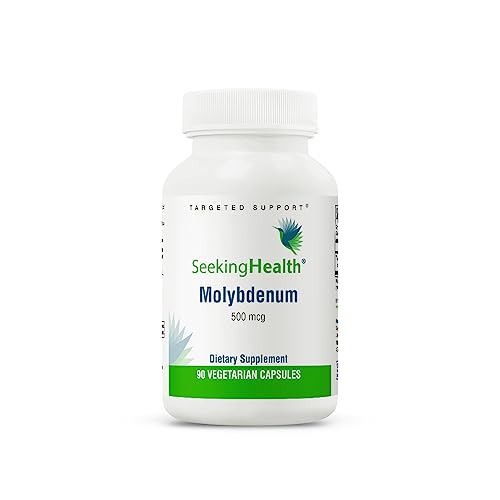
Seeking Health Molybdenum - Supplement with Molybdenum Glycinate Chelate - Supplement Supports Sulfite Metabolism & Cellular Health - Vegetarian and Vegan Capsules
<strong>Molybdenum (as molybdenum glycinate chelate) 500 mcg</strong>.
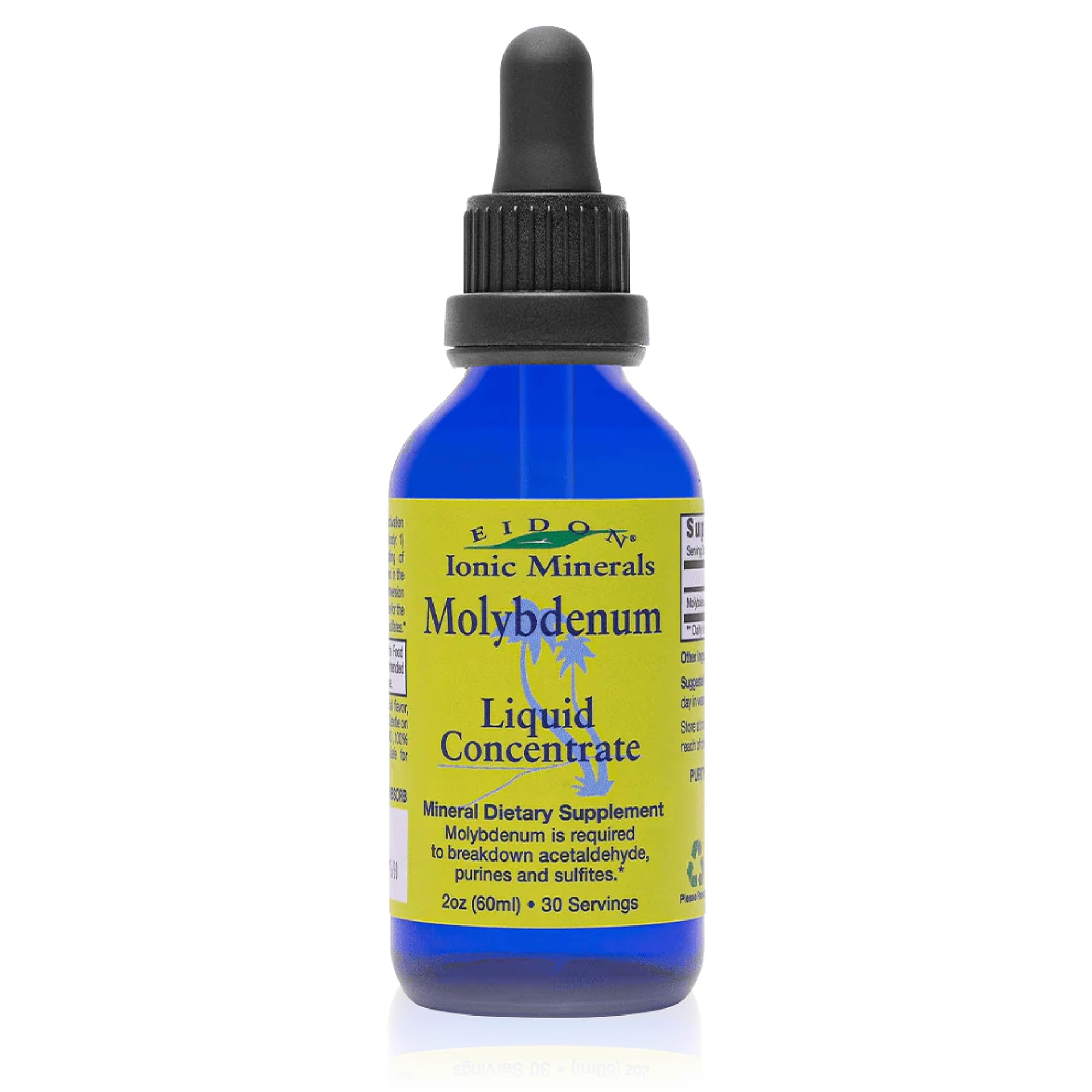
Eidon Ionic Minerals Liquid Molybdenum Supplement - Liquid Ionic Minerals, Molybdenum Concentrate Drops for Women & Men, No Added Sugars, Supports Biological Processes, Mineral Supplements - 2 oz
Good State Liquid Ionic Molybdenum Ultra Concentrate <strong>(10 drops equals 100 mcg - 100 servings per bottle</strong>) Seeking Health Molybdenum - Supplement with Molybdenum Glycinate Chelate - Sup
Evidence & Sources
Promising research with growing clinical support from multiple studies
- National Institutes of Health Office of Dietary Supplements
- Institute of Medicine Dietary Reference Intakes
- World Health Organization trace element guidance
- National Center for Biotechnology Information StatPearls
- The American Journal of Clinical Nutrition
- The Journal of Nutrition
- NCCIH (National Center for Complementary and Integrative Health)
- Merck Manual Professional Edition
This content is for informational purposes only and does not constitute medical advice. Always consult a qualified healthcare provider before starting, stopping, or changing any supplement or medication regimen.