

Manganese
Also known as: Manganese Chelate, Manganese Gluconate
Overview
Manganese is an essential trace mineral required in very small amounts for normal human physiology. It participates in a wide range of biological processes, including connective tissue and bone formation, carbohydrate and lipid metabolism, amino acid metabolism, and antioxidant defense. One of its best-known roles is serving as a cofactor for manganese superoxide dismutase (MnSOD), a major antioxidant enzyme located in mitochondria that helps protect cells from oxidative stress. Because of these functions, manganese is often discussed in relation to skeletal health, joint integrity, energy metabolism, and cellular resilience.
In the diet, manganese is found in foods such as whole grains, legumes, nuts, leafy vegetables, tea, and some fruits. True dietary deficiency appears to be uncommon in the general population, largely because small amounts are widely distributed in plant-based foods. However, interest in manganese supplementation persists in natural health settings, particularly in formulations aimed at bone support, cartilage support, and metabolic wellness. In these contexts, manganese is rarely considered in isolation; it is more often viewed as one component of a broader nutritional matrix that may also include minerals, vitamins, and botanical compounds.
From a public health perspective, manganese occupies an unusual place among nutrients: it is essential, yet excess exposure can be harmful, especially in occupational or environmental settings. High levels of manganese exposure have been associated with neurologic toxicity, making dose and context important considerations in both conventional and complementary discussions. This dual nature means that manganese is best understood not as a general wellness enhancer in unlimited amounts, but as a nutrient with important physiological roles within a relatively narrow beneficial range.
Research on manganese is strongest for its status as an essential nutrient and for its biochemical roles in human metabolism. Evidence is less robust for many marketed supplement claims, especially those involving broad joint or metabolic benefits in otherwise well-nourished individuals. As with many trace minerals, interpretation depends heavily on whether the discussion concerns preventing deficiency, correcting documented insufficiency, or seeking effects beyond basic nutritional adequacy. Consultation with a qualified healthcare professional is appropriate when considering manganese status in the context of symptoms, diet, occupational exposure, or supplement use.
Medical Perspectives
Two Ways of Seeing Health

Western
scientific · clinical
Western medicine applies science, technology, and clinical experience to treat symptoms through testing, diagnosis, and targeted intervention.

Eastern
traditional · alternative
Eastern medicine focuses on treating the body naturally by applying traditional knowledge practiced for thousands of years, emphasizing balance and whole-person wellness.
Gold Bamboo presents both perspectives side-by-side so you can make informed decisions. We don't advocate for one over the other — your health choices are yours.
Western Medicine Perspective
Western / Conventional Medicine Perspective
In conventional medicine, manganese is understood primarily as an essential micronutrient that functions as a cofactor for multiple enzymes involved in bone development, metabolism, reproduction, immune function, and antioxidant protection. It contributes to enzymes such as arginase, pyruvate carboxylase, and MnSOD, linking it to energy production, urea metabolism, and mitochondrial health. Western nutrition science generally focuses on obtaining manganese through food rather than supplementation, since deficiency is considered rare under ordinary dietary conditions.
Clinical attention to manganese more often arises in specialized situations. These may include malnutrition, long-term parenteral nutrition, impaired excretion, infant nutrition issues, or toxic exposure. Severe deficiency has been difficult to characterize in humans but has been associated in limited reports and experimental settings with poor growth, altered bone formation, skin changes, and impaired carbohydrate or lipid metabolism. In contrast, excess manganese—particularly through inhalation in occupational settings or through accumulation in people with impaired liver function—has been linked to neurologic effects, sometimes resembling parkinsonian syndromes. For this reason, conventional medicine places substantial emphasis on safe intake ranges and exposure assessment.
With respect to supplementation, research has explored manganese as part of combination products for osteoarthritis, bone health, and connective tissue support, but the contribution of manganese alone is often unclear. Studies of combination formulas containing glucosamine, chondroitin, or other nutrients have produced mixed findings, and they do not establish manganese as a standalone therapy. Conventional evidence therefore supports manganese most clearly as a necessary nutrient, while evidence for broader therapeutic use remains limited and context-dependent. Healthcare providers may evaluate manganese within a larger nutritional, toxicologic, or metabolic picture rather than as an isolated intervention.
Eastern & Traditional Perspective
Eastern / Traditional Medicine Perspective
In Traditional Chinese Medicine (TCM) and Ayurveda, manganese is not historically described as a standalone therapeutic category in the way modern nutritional science defines minerals. Instead, traditional systems tend to interpret health through patterns of function, vitality, digestion, tissue nourishment, and balance, rather than through isolated micronutrient status. Even so, the modern understanding of manganese can be conceptually related to traditional discussions of bone strength, connective tissue resilience, metabolic transformation, and protection from depletion or degeneration.
From a TCM-informed perspective, concerns that overlap with modern interest in manganese—such as weakness of bones, tendons, or joints—may be interpreted through patterns involving the Kidney system, Liver blood, or Spleen-mediated nourishment and transformation. Traditional approaches generally emphasize the overall quality of nourishment, digestion, and circulation rather than targeting a single mineral. Foods naturally containing trace minerals may be viewed as part of broader dietary strategies that support jing, blood, and structural tissues, while oxidative stress and degeneration may be framed in terms of internal imbalance or insufficiency.
In Ayurveda, tissue health is often considered through the lens of agni (digestive/metabolic fire), dhatu nourishment, and doshic balance. Bone and connective tissues relate especially to asthi dhatu and downstream tissue formation. A modern integrative interpretation may place manganese-containing foods within a broader conversation about nutrient density, digestion, and the maintenance of structural tissues. Naturopathic and integrative traditions likewise tend to view manganese as one of several micronutrients that may contribute to musculoskeletal and metabolic health, while still emphasizing individualized assessment, whole-food intake, and the possibility that symptoms attributed to one nutrient may actually reflect broader patterns.
Overall, eastern and traditional frameworks generally do not elevate manganese as a singular therapeutic focus. Rather, they place it within a holistic model of nourishment and balance, where mineral sufficiency matters but is inseparable from digestion, constitution, environment, and the broader quality of the diet and lifestyle. Integrative practitioners commonly consider both traditional pattern assessment and modern nutritional science, especially when evaluating supplement use alongside conventional care.
Supplements & Products
Recommended Products

The Mineral Fix: How to Optimize Your Mineral Intake for Energy, Longevity, Immunity, Sleep and More: DiNicolantonio, James, Land, Siim
The Mineral Fix: <strong>How to Optimize Your Mineral Intake for Energy, Longevity, Immunity, Sleep and More</strong> [DiNicolantonio, James, Land, Siim] on Amazon.com. *FREE* shipping on qualifying o
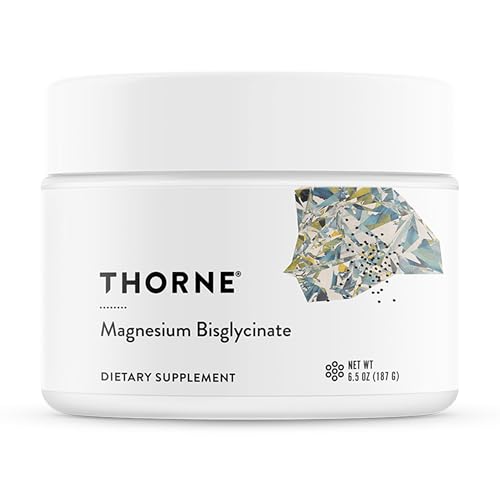
THORNE - Magnesium Bisglycinate - Powdered Magnesium Formula - Supports Restful Sleep, Muscle Relaxation, Heart Health & Metabolism* - NSF Certified for Sport - Gluten, Dairy & Soy-Free - 60 Servings
THORNE - Magnesium Glycinate - <strong>Supports Restful Sleep, Muscle Relaxation, Heart Health & Metabolism</strong>* - Chelated Magnesium Capsules - Third-Party Certified - Gluten, Dairy & So
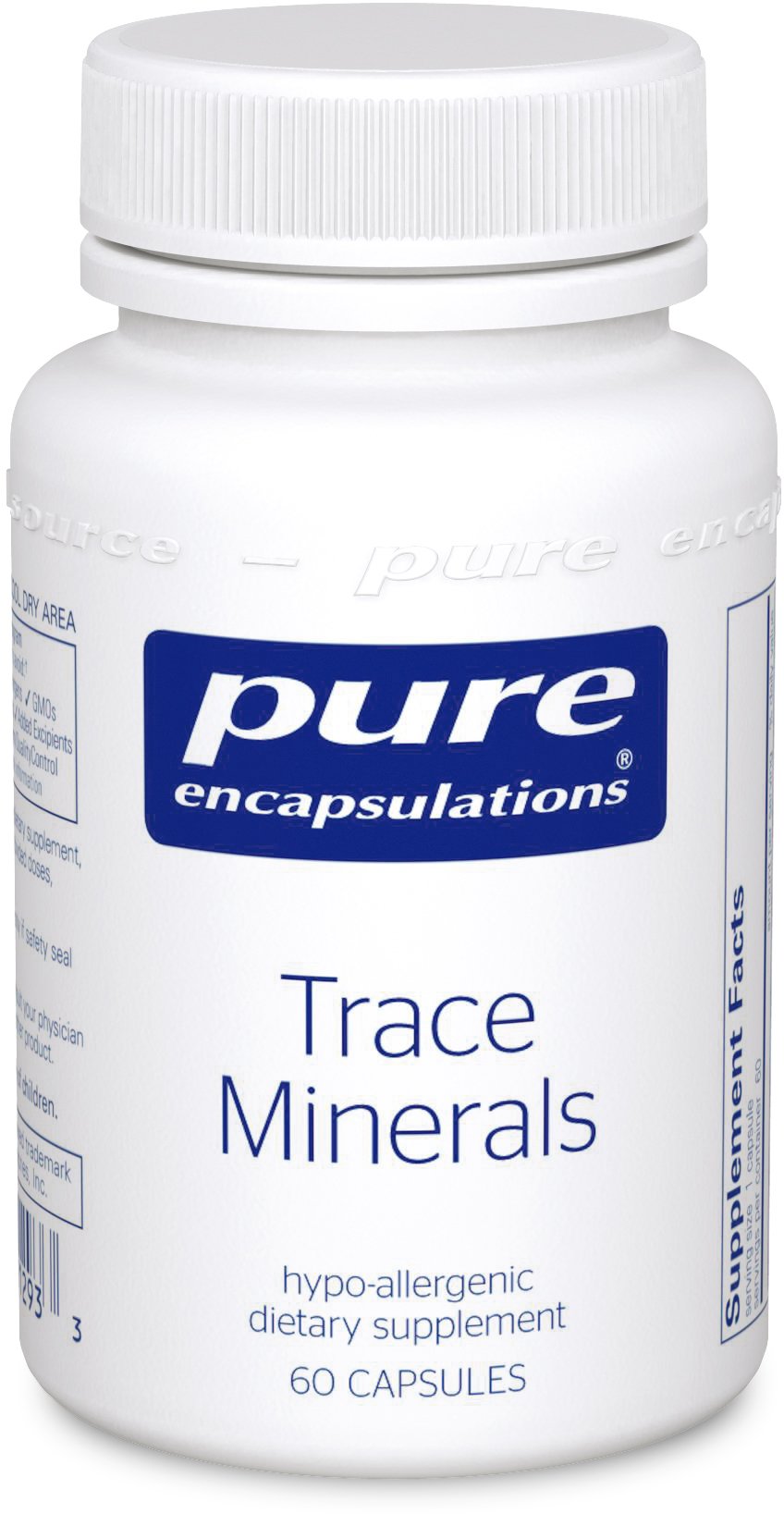
Pure Encapsulations Trace Minerals - Multimineral Supplement - Mineral Supplement - Supports Metabolism & Cellular Function* - Gluten Free & Vegan - 60 Capsules
Bioavailable Essential Minerals: This trace mineral supplement <strong>contains highly absorbable forms of chelated trace minerals, provided without macrominerals</strong>* Suggested Use: As a dietary
Evidence & Sources
Promising research with growing clinical support from multiple studies
- NIH Office of Dietary Supplements: Manganese Fact Sheet for Health Professionals
- National Academies of Sciences, Engineering, and Medicine Dietary Reference Intakes
- World Health Organization (WHO) manganese in drinking-water/background documents
- National Institute for Occupational Safety and Health (NIOSH) publications on manganese exposure
- Linus Pauling Institute, Oregon State University: Micronutrient Information Center
- NCCIH (National Center for Complementary and Integrative Health) resources on dietary supplements
- The American Journal of Clinical Nutrition
- Nutrition Reviews
This content is for informational purposes only and does not constitute medical advice. Always consult a qualified healthcare provider before starting, stopping, or changing any supplement or medication regimen.