

Maitake
Also known as: Grifola Frondosa, Hen of the Woods, Maitake Mushroom
Overview
Maitake (Grifola frondosa), sometimes called “hen of the woods,” is an edible and medicinal mushroom used in both culinary and traditional health contexts. It has a long history of use in East Asia and is now widely marketed as a dietary supplement for immune support, metabolic health, and broader wellness applications. Interest in maitake centers largely on its naturally occurring beta-glucans and other polysaccharides, which are thought to interact with immune pathways, as well as on early research exploring possible roles in glucose regulation and adjunctive supportive care.
From a modern supplement perspective, maitake is commonly discussed in relation to blood sugar balance, immune resilience, and mushroom-based wellness regimens. Laboratory and animal studies have identified multiple bioactive compounds, including polysaccharide fractions sometimes referred to as D-fraction and related extracts. These compounds have been studied for immunomodulatory effects, including possible influences on macrophages, natural killer cells, cytokine signaling, and other components of innate and adaptive immunity. However, findings from preclinical research do not always translate directly into clear clinical outcomes in humans.
Maitake also attracts attention for its potential role in metabolic support, particularly in the context of insulin sensitivity, glucose metabolism, and weight-related health markers. Some small human studies and pilot investigations suggest possible benefit, but the evidence base remains limited and heterogeneous. Product formulations vary widely—whole mushroom powders, hot-water extracts, blended formulas, and standardized fractions—which makes comparison across studies difficult.
Overall, maitake occupies a space between traditional use and emerging clinical research. It is best understood as a medicinal mushroom with biologically plausible mechanisms and a substantial history of use, but with human evidence that is still developing. As with many supplements, questions of preparation, dosage standardization, safety in specific populations, and interactions with conventional care remain important topics for discussion with qualified healthcare professionals.
Medical Perspectives
Two Ways of Seeing Health

Western
scientific · clinical
Western medicine applies science, technology, and clinical experience to treat symptoms through testing, diagnosis, and targeted intervention.

Eastern
traditional · alternative
Eastern medicine focuses on treating the body naturally by applying traditional knowledge practiced for thousands of years, emphasizing balance and whole-person wellness.
Gold Bamboo presents both perspectives side-by-side so you can make informed decisions. We don't advocate for one over the other — your health choices are yours.
Western Medicine Perspective
Western / Conventional Medicine Perspective
In conventional medicine, maitake is generally viewed as a botanical or fungal supplement with potential immunomodulatory and metabolic effects. Researchers have focused on its polysaccharides—especially beta-glucans—which may help activate or regulate immune cell activity. This has led to interest in maitake as a possible adjunct in areas such as immune function, supportive oncology research, and host defense. While mechanistic and preclinical evidence is substantial, clinical evidence in humans is more limited, and maitake is not considered a standard medical treatment for infection, cancer, diabetes, or any other disease.
Human studies have explored maitake in relation to glucose control, insulin resistance, lipid metabolism, and immune markers, but most trials have been small, short-term, or methodologically variable. Some studies suggest that maitake extracts may influence fasting glucose or insulin-related parameters, while others are preliminary or not sufficiently replicated. In oncology-related research, maitake extracts have been investigated for effects on immune parameters and quality-of-life-related outcomes, but evidence remains insufficient to establish definitive clinical roles. Major evidence reviews typically characterize maitake as a promising but not yet conclusively validated supplement.
From a safety standpoint, maitake is often regarded as generally well tolerated as a food, but supplement use raises additional considerations. Because it may affect blood sugar, blood pressure, or immune activity, caution is commonly noted for people with diabetes, autoimmune conditions, bleeding risk, or those using immunomodulating medications. Allergic reactions and gastrointestinal upset are possible, and product quality can vary. Conventional sources typically emphasize that supplement use should be evaluated in the context of a person’s overall medical history and current therapies.
Eastern & Traditional Perspective
Eastern / Traditional Medicine Perspective
In Traditional Chinese Medicine (TCM) and related East Asian traditions, medicinal mushrooms are often valued for supporting vital energy, resilience, and constitutional strength. Maitake has traditionally been used as a nourishing fungus associated with helping maintain balance, especially during periods of fatigue, weakness, or reduced resistance. Although it is not always as historically central as mushrooms such as reishi or shiitake in classical materia medica, modern East Asian herbal practice commonly places maitake within the broader category of tonic mushrooms used to support immune vitality, digestion, and overall adaptive capacity.
From a traditional viewpoint, mushrooms like maitake are often understood less through isolated compounds and more through their whole-organism effects on systemic balance. Practitioners may interpret its use in terms of supporting the body’s defenses, aiding digestive transformation, and helping restore equilibrium under stress or depletion. In food-as-medicine traditions, maitake may also be appreciated as a functional ingredient that bridges nourishment and therapeutic support.
In naturopathic and integrative herbal traditions, maitake is generally viewed as part of a class of medicinal mushrooms used for immune modulation rather than simple stimulation. This distinction is important in holistic models that emphasize balance and adaptability. In these frameworks, maitake may be discussed alongside reishi, turkey tail, and shiitake for people seeking broad wellness support, especially where metabolic and immune themes overlap. As with other traditional medicines, use is typically individualized, and contemporary practitioners often combine historical knowledge with modern safety screening and evidence review.
Supplements & Products
Recommended Products
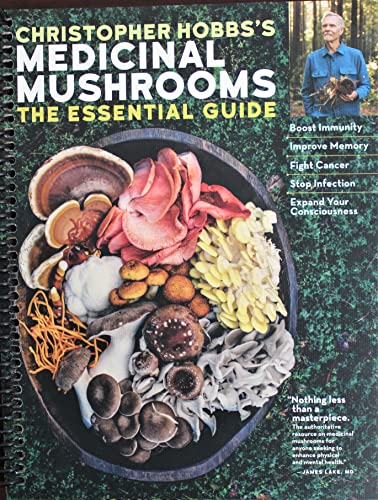
Christopher Hobbs's Medicinal Mushrooms: The Essential Guide: Boost Immunity, Improve Memory, Fight Cancer, Stop Infection, and Expand Your Consciousness: Hobbs L.Ac. AHG, Christopher
Christopher Hobbs, a mycologist and herbalist at the forefront of contemporary research, <strong>profiles the most powerful medicinal mushrooms and explains the nutritional and medicinal compounds in

Mushroom Wisdom, Inc. Maitake D Fraction Pro 4X ,2.02 Fl Oz : Everything Else
Mushroom Wisdom, Inc. Maitake D Fraction Pro 4 X 60 ml.

Host Defense Maitake Capsules - Immune & Cellular Health Support Supplement - Dietary Herbal Supplement with Maitake Mushroom & Mushroom Mycelium - 60 Capsules (30 Servings)*
Buy Host Defense Maitake Capsules - Immune & Cellular Health Support Supplement - Dietary Herbal Supplement with Maitake Mushroom & Mushroom Mycelium - 60 Capsules (30 Servings)*: Mushrooms -
Evidence & Sources
Early-stage research, mostly preclinical or preliminary human studies
- Memorial Sloan Kettering Cancer Center
- National Center for Complementary and Integrative Health (NCCIH)
- National Cancer Institute PDQ Integrative, Alternative, and Complementary Therapies
- Journal of Medicinal Food
- Nutrition Research
- Mycobiology
- International Journal of Medicinal Mushrooms
- Phytotherapy Research
This content is for informational purposes only and does not constitute medical advice. Always consult a qualified healthcare provider before starting, stopping, or changing any supplement or medication regimen.