

Magnesium Glycinate
Overview
Magnesium glycinate is a supplemental form of magnesium in which elemental magnesium is bound to glycine, an amino acid involved in protein synthesis and neurotransmitter regulation. It is commonly discussed among magnesium supplements because it is generally considered well tolerated and less likely to cause laxative effects than forms such as magnesium oxide or magnesium citrate. Magnesium itself is an essential mineral required for hundreds of enzymatic reactions, including those related to muscle contraction, nerve signaling, blood glucose regulation, energy production, and bone metabolism.
Magnesium inadequacy is relatively common in many populations due to dietary patterns, gastrointestinal disorders, medication use, alcohol misuse, and certain chronic health conditions. Clinical magnesium deficiency can present with symptoms such as muscle cramps, weakness, tremor, arrhythmias, or neurologic changes, while lower-grade insufficiency may be harder to identify. Because magnesium status is tightly regulated in the blood, routine serum magnesium testing does not always reflect total body stores, which contributes to ongoing clinical interest in supplementation and assessment.
Magnesium glycinate is often marketed for muscle relaxation, sleep support, stress resilience, and nervous system health, though the strength of evidence varies depending on the condition being discussed. Research on magnesium supplementation overall is broader than research on magnesium glycinate specifically; many studies evaluate magnesium as a category or examine other salts. As a result, some claims about magnesium glycinate are based partly on what is known about magnesium physiology and partly on the practical observation that this form may be easier for some individuals to tolerate.
From a safety standpoint, magnesium supplements are usually considered low risk when used appropriately, but they are not universally suitable. Excessive magnesium intake from supplements can lead to gastrointestinal upset and, in rare cases, more serious complications, particularly in people with impaired kidney function. Magnesium can also interact with certain medications by reducing absorption, including some antibiotics, bisphosphonates, and thyroid medications, so timing and medical context matter. For these reasons, clinical interpretation is best individualized with a qualified healthcare professional.
Medical Perspectives
Two Ways of Seeing Health

Western
scientific · clinical
Western medicine applies science, technology, and clinical experience to treat symptoms through testing, diagnosis, and targeted intervention.

Eastern
traditional · alternative
Eastern medicine focuses on treating the body naturally by applying traditional knowledge practiced for thousands of years, emphasizing balance and whole-person wellness.
Gold Bamboo presents both perspectives side-by-side so you can make informed decisions. We don't advocate for one over the other — your health choices are yours.
Western Medicine Perspective
Western Medicine Perspective
In conventional medicine, magnesium glycinate is viewed primarily as a delivery form of magnesium, rather than as a distinct therapeutic agent with fully separate indications. The main questions from a western perspective are whether a person has documented deficiency, increased requirement, impaired absorption, or a clinical condition in which magnesium status may be relevant. Magnesium is recognized as essential for cardiovascular, neuromuscular, and metabolic function, and replacement is standard in clear deficiency states. Clinicians may consider oral magnesium in people with low intake, certain gastrointestinal disorders, diabetes, chronic proton pump inhibitor use, or other risk factors that predispose to depletion.
Research suggests that magnesium supplementation may have a role in selected conditions, including migraine prevention, some pregnancy-related leg cramps, mild blood pressure reduction in some populations, and correction of deficiency-related muscle symptoms, but results are mixed and often depend on the formulation, dose, baseline magnesium status, and study design. For sleep, anxiety, stress, or generalized muscle tension, interest is high, yet the evidence remains variable and often limited by small trials or heterogeneous populations. Magnesium glycinate is frequently chosen in practice because it is thought to have good bioavailability and gastrointestinal tolerability, although direct head-to-head superiority over all other forms has not been definitively established across outcomes.
Safety considerations are important in conventional use. Oral magnesium is generally well tolerated, but excessive intake can cause diarrhea, nausea, abdominal cramping, and in severe cases hypermagnesemia, especially in those with kidney disease. Drug interactions are clinically relevant: magnesium can reduce absorption of tetracyclines, fluoroquinolones, levothyroxine, and bisphosphonates when taken too close together. Western medicine therefore tends to frame magnesium glycinate as a potentially useful supplement in the context of nutritional support or deficiency correction, while emphasizing that symptom claims beyond those areas often require more rigorous evidence.
Eastern & Traditional Perspective
Eastern/Traditional Medicine Perspective
Traditional medical systems generally do not classify magnesium glycinate as a historical remedy in the way they classify herbs, foods, or mineral preparations used within their own pharmacopeias. Instead, it is more often interpreted through the lens of functional patterns that overlap with symptoms associated with low magnesium status, such as muscle tightness, restlessness, poor sleep, irritability, or stress-related depletion. In this sense, magnesium glycinate is often incorporated into integrative care as a modern nutritional tool rather than a classical traditional medicine substance.
In Traditional Chinese Medicine (TCM), symptoms sometimes associated with magnesium use may be discussed in terms such as Liver qi constraint, Liver blood or yin deficiency, Heart shen disturbance, or internal wind depending on the broader pattern. A practitioner may view cramping, twitching, agitation, or insomnia as signs of internal imbalance involving the tendons, blood, and nervous system regulation. Magnesium glycinate itself is not a standard TCM herb, but from an integrative perspective it may be seen as supporting overall calm and neuromuscular balance alongside traditional approaches such as acupuncture, dietary therapy, and individualized herbal formulas.
In Ayurveda, presentations like tension, disturbed sleep, constipation, or nervous overactivity are often conceptualized through vata imbalance, especially when symptoms are linked to stress, irregular routines, or depletion. Magnesium glycinate may therefore be discussed by integrative practitioners as a contemporary supplement that aligns with broader goals of grounding, relaxation, and tissue nourishment. Naturopathic frameworks similarly tend to emphasize mineral repletion, digestive absorption, stress physiology, and whole-person assessment, often considering magnesium as one factor among many affecting resilience.
Across these traditions, the key distinction is that support is typically pattern-based and individualized rather than centered on a single supplement. Traditional practitioners generally place magnesium glycinate within a wider context that may include sleep quality, diet, digestion, emotional regulation, movement, and constitutional tendencies. Evidence for these traditional interpretations is largely theoretical or practice-based rather than derived from direct clinical trials of magnesium glycinate within classical systems.
Supplements & Products
Recommended Products
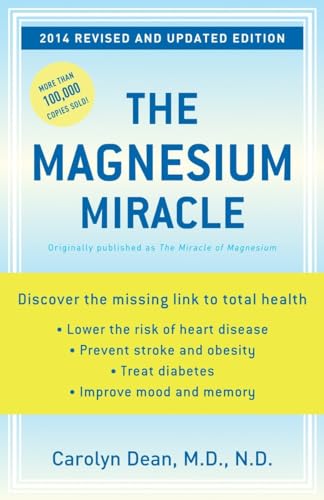
The Magnesium Miracle (Revised and Updated Edition): Carolyn Dean
Inside you will discover • newly ... public perception The Magnesium Miracle, now more than ever, is <strong>the ultimate guide to a mineral that is truly miraculous</strong>....
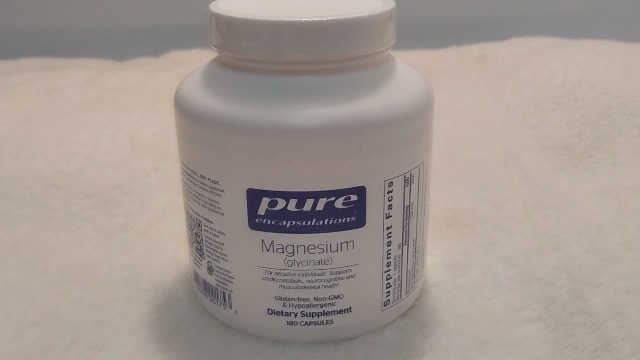
Pure Encapsulations Magnesium (Glycinate) - Supplement to Support Stress Relief, Sleep, Heart Health, Nerves, Muscles, and Metabolism* - with Magnesium Glycinate - 90 Capsules
Pure Difference: Our supplements ... GMOs ... Loading content. ... Loading content. ... THORNE - Magnesium Glycinate - <strong>Supports Restful Sleep, Muscle Relaxation, Heart Health & Metabolism<
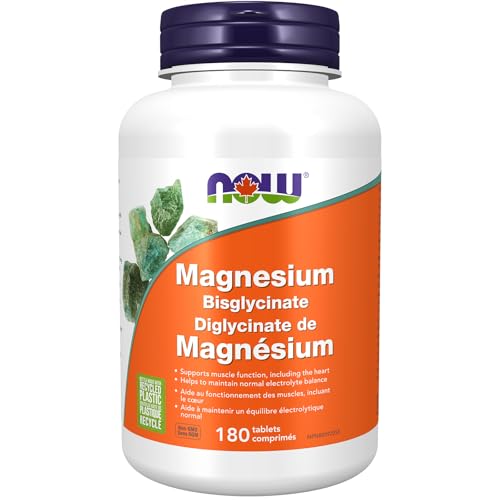
NOW Foods Supplements, Magnesium Glycinate 100 mg, Highly Absorbable Form, 180 Tablets
Supplement FactsServing Size:2 TabletsServings Per Container:90DescriptionAmount per Serving% Daily ValueMagnesium (elemental)(from 2,000 mg Magnesium Bisglycinate) (Albion®) 200 mg 48% Other Ingredie
Evidence & Sources
Promising research with growing clinical support from multiple studies
- National Institutes of Health Office of Dietary Supplements: Magnesium Fact Sheet for Health Professionals
- National Center for Complementary and Integrative Health (NCCIH)
- Journal of the American College of Nutrition
- Nutrients
- Magnesium Research
- Cochrane Database of Systematic Reviews
- American Family Physician
- European Journal of Clinical Nutrition
This content is for informational purposes only and does not constitute medical advice. Always consult a qualified healthcare provider before starting, stopping, or changing any supplement or medication regimen.