

Magnesium
Overview
Magnesium is an essential mineral involved in hundreds of biochemical processes in the human body. It plays a central role in energy production, nerve signaling, muscle contraction, blood pressure regulation, blood glucose metabolism, and bone structure. Although magnesium is naturally present in foods such as leafy greens, legumes, nuts, seeds, and whole grains, supplemental magnesium is widely used in integrative health for concerns related to muscle cramps, constipation, migraine, sleep, cardiovascular health, and overall nutritional support.
Magnesium deficiency can occur from inadequate dietary intake, gastrointestinal disorders, diabetes, alcohol use disorder, certain medications, and increased physiological demands. In conventional medicine, deficiency may be overt or subclinical, and low magnesium status has been associated with a range of symptoms including fatigue, weakness, muscle twitching, arrhythmias, and neuromuscular irritability. At the population level, research suggests that many adults consume less magnesium than recommended, though clinically significant deficiency is less common than low intake alone.
Supplement forms vary and may influence tolerability and clinical use. Common forms include magnesium citrate, glycinate, oxide, chloride, lactate, malate, sulfate, and threonate. Different salts contain different amounts of elemental magnesium and differ in absorption and gastrointestinal effects. For example, some forms are more commonly discussed in relation to bowel motility, while others are marketed for general supplementation or nervous system support. These distinctions are widely discussed in both clinical and consumer settings, though comparative evidence is not always definitive.
From a safety perspective, magnesium is generally considered well tolerated in appropriate amounts, but excessive supplemental intake can lead to diarrhea, nausea, abdominal cramping, and in rare cases—particularly in people with kidney impairment—more serious elevations in magnesium levels. Magnesium can also interact with certain medications, including some antibiotics, bisphosphonates, and thyroid hormone replacement, making timing and oversight important. As with any supplement, clinicians generally view magnesium best in the broader context of diet, medical history, laboratory assessment when relevant, and individualized care.
Medical Perspectives
Two Ways of Seeing Health

Western
scientific · clinical
Western medicine applies science, technology, and clinical experience to treat symptoms through testing, diagnosis, and targeted intervention.

Eastern
traditional · alternative
Eastern medicine focuses on treating the body naturally by applying traditional knowledge practiced for thousands of years, emphasizing balance and whole-person wellness.
Gold Bamboo presents both perspectives side-by-side so you can make informed decisions. We don't advocate for one over the other — your health choices are yours.
Western Medicine Perspective
Western Medicine Perspective
In conventional medicine, magnesium is recognized as a foundational nutrient rather than a niche supplement. It is required as a cofactor in more than 300 enzymatic reactions and is relevant to the function of the cardiovascular, neuromuscular, endocrine, and skeletal systems. Clinical assessment of magnesium status can be challenging because serum magnesium does not always reflect total body magnesium stores, and deficiency may be missed unless it becomes more pronounced. Risk factors often guide evaluation, including malabsorption syndromes, chronic diarrhea, use of proton pump inhibitors or diuretics, poorly controlled diabetes, and renal losses.
Research supports magnesium’s role in several established and investigational uses. In mainstream care, magnesium is well recognized in specific medical settings such as prevention or correction of deficiency, certain obstetric and cardiac indications, and as an osmotic agent for constipation in some formulations. Studies also suggest potential benefit in selected patients with migraine, mild blood pressure support, glucose metabolism, and possibly sleep-related complaints, though the strength of evidence varies by condition and by study quality. For many consumer uses, evidence is promising but mixed, and trial results are often influenced by baseline magnesium status, formulation, dose, and duration.
Conventional medicine also emphasizes safety and quality concerns. Supplemental magnesium is usually safe for healthy adults when used appropriately, but caution is important in chronic kidney disease, where impaired excretion can increase the risk of hypermagnesemia. Adverse effects are most often gastrointestinal. Drug-supplement interactions are clinically relevant because magnesium can reduce the absorption of tetracyclines, fluoroquinolones, bisphosphonates, and levothyroxine if taken too closely together. For this reason, healthcare professionals typically frame magnesium use within a broader medication and nutrition review rather than as a stand-alone solution.
Eastern & Traditional Perspective
Eastern and Traditional Medicine Perspective
In Traditional Chinese Medicine (TCM) and related East Asian traditions, magnesium is not historically described as an isolated supplement in the modern biochemical sense. Instead, symptoms that contemporary consumers may associate with magnesium—such as muscle tension, cramping, irritability, fatigue, headaches, insomnia, or constipation—are generally understood through functional patterns such as Liver qi constraint, Liver blood deficiency, yin deficiency, or imbalance affecting the Spleen and intestines. Traditional care focuses less on correcting a named mineral deficit and more on restoring systemic balance through diet, herbal formulas, acupuncture, sleep regulation, and stress modulation.
In Ayurveda, mineral supplementation is likewise not framed in the same way as in modern nutrition science, though magnesium-containing foods and mineral preparations may be considered in the context of supporting agni (digestive function), nervous system steadiness, muscle relaxation, and bowel regularity. Symptoms potentially overlapping with low magnesium might be interpreted through vata imbalance, especially when there is dryness, constipation, restlessness, or disturbed sleep. The emphasis is traditionally on the person’s constitution, digestive capacity, and overall lifestyle pattern rather than a single nutrient in isolation.
In naturopathic and integrative medicine, magnesium occupies a bridge between traditional and biomedical models. It is often viewed as a core support nutrient for stress resilience, muscular relaxation, cardiometabolic health, and bowel function, especially when dietary intake appears insufficient. This perspective often integrates laboratory data, food-based assessment, and whole-person care. While traditional systems provide context for symptom patterns and constitutional tendencies, modern practitioners generally rely on contemporary clinical evidence and safety screening when discussing magnesium supplementation, especially for people with kidney disease, complex medication regimens, or chronic illness.
Supplements & Products
Recommended Products
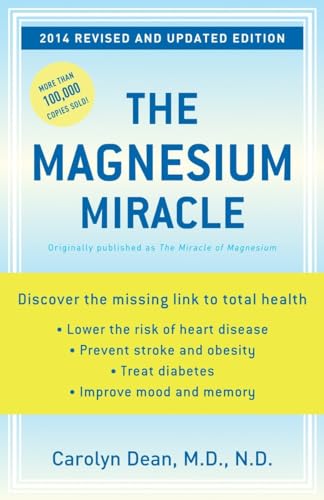
The Magnesium Miracle (Revised and Updated Edition): Carolyn Dean
Inside you will discover • newly ... public perception The Magnesium Miracle, now more than ever, is <strong>the ultimate guide to a mineral that is truly miraculous</strong>....

THORNE - Magnesium Bisglycinate - Powdered Magnesium Formula - Supports Restful Sleep, Muscle Relaxation, Heart Health & Metabolism* - NSF Certified for Sport - Gluten, Dairy & Soy-Free - 60 Servings
THORNE - Magnesium Glycinate - <strong>Supports Restful Sleep, Muscle Relaxation, Heart Health & Metabolism</strong>* - Chelated Magnesium Capsules - Third-Party Certified - Gluten, Dairy & So
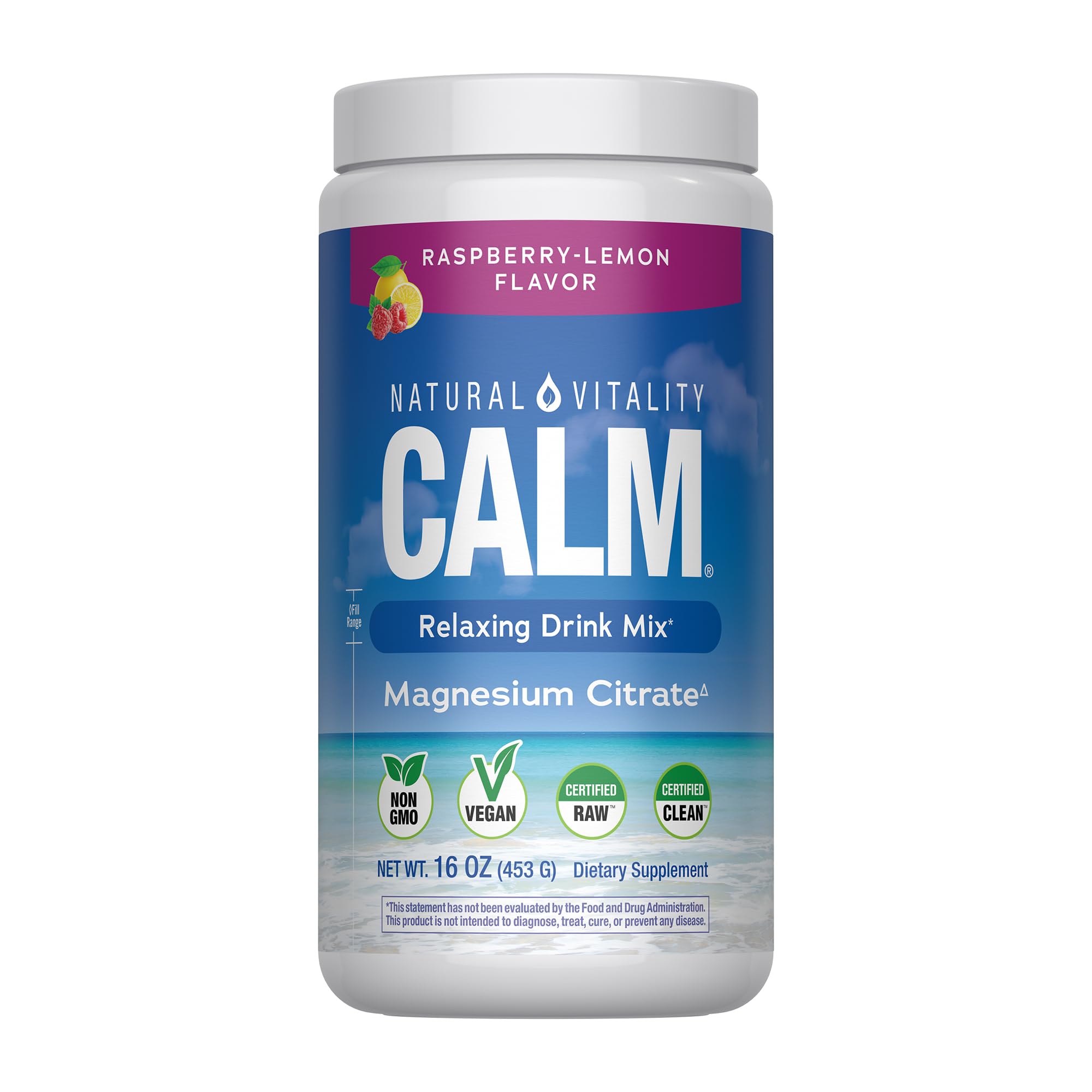
Natural Vitality Calm Magnesium 16oz Powder | Raspberry Lemon Flavored Supplement | Non-GMO, Vegan & Gluten Free Formula
Natural Vitality Calm, Magnesium Supplement, Anti-Stress Drink Mix Powder, Gluten Free, Vegan, & Non-GMO, Sweet Lemon, 16 oz · Natural Vitality Calm, Magnesium Citrate Supplement, Anti-Stress Drin
Evidence & Sources
Promising research with growing clinical support from multiple studies
- National Institutes of Health Office of Dietary Supplements — Magnesium Fact Sheet for Health Professionals
- National Center for Complementary and Integrative Health (NCCIH)
- World Health Organization
- Journal of the American College of Nutrition
- Nutrients
- American Family Physician
- The Lancet
- BMJ
- Mayo Clinic Proceedings
This content is for informational purposes only and does not constitute medical advice. Always consult a qualified healthcare provider before starting, stopping, or changing any supplement or medication regimen.