

Maca
Also known as: Lepidium Meyenii, Peruvian Ginseng, Maca Root
Overview
Maca (Lepidium meyenii or Lepidium peruvianum) is a cruciferous plant native to the high Andes of Peru, where its root has been used traditionally as a food and wellness tonic for centuries. In modern supplement use, maca is commonly discussed in relation to energy, stamina, libido, mood, fertility, and hormone-related wellness, especially in the contexts of menopause, sexual health, and general vitality. It is sold in powders, capsules, extracts, and gelatinized preparations, and different varieties—often described by color such as yellow, red, and black maca—are sometimes marketed for distinct traditional uses.
Maca attracts attention because it is often described as an adaptogenic or vitality-supporting botanical, though the exact scientific classification is still debated. Its root contains glucosinolates, macamides, macaenes, sterols, and polyphenolic compounds, which are thought to contribute to its biologic activity. Unlike hormone therapy, maca is generally understood not to contain significant amounts of human sex hormones. Instead, research has explored whether it may influence neuroendocrine signaling, sexual function, stress response, and perceived energy through indirect mechanisms.
Interest in maca is especially high among people seeking non-pharmaceutical approaches for low libido, menopause-related symptoms, mild mood changes, exercise endurance, and reproductive wellness. However, the research base remains mixed. Some studies suggest benefits for sexual desire, selected menopausal symptoms, and subjective well-being, while evidence for measurable changes in hormone levels, athletic performance, or fertility parameters is less consistent. Product quality, preparation method, and study design vary substantially, which makes broad conclusions difficult.
From a safety perspective, maca is generally considered well tolerated as a food-like supplement in short-term studies, though long-term safety data are limited. As with many botanicals, questions may arise around interactions, quality control, and appropriateness in people with hormone-sensitive conditions, thyroid concerns, or complex medical histories. For that reason, integrative discussions of maca typically include the caveat that supplement use is best evaluated in context with a qualified healthcare professional.
Medical Perspectives
Two Ways of Seeing Health

Western
scientific · clinical
Western medicine applies science, technology, and clinical experience to treat symptoms through testing, diagnosis, and targeted intervention.

Eastern
traditional · alternative
Eastern medicine focuses on treating the body naturally by applying traditional knowledge practiced for thousands of years, emphasizing balance and whole-person wellness.
Gold Bamboo presents both perspectives side-by-side so you can make informed decisions. We don't advocate for one over the other — your health choices are yours.
Western Medicine Perspective
Western Medicine Perspective
In conventional and integrative research settings, maca is most often studied as a dietary supplement for sexual function, menopausal symptoms, fertility-related outcomes, mood, and fatigue or vitality. Clinical trials have reported that maca may improve sexual desire in some adults and may help reduce certain menopause-associated symptoms, such as changes in mood or perceived well-being. Some studies in men have also examined semen parameters and sexual function, with mixed findings. Importantly, many of these effects appear to occur without significant changes in estrogen, testosterone, FSH, or LH, suggesting that maca's actions may be more functional or neuromodulatory than hormone-replacement-like.
Western medicine generally views maca as a supplement with promising but not definitive evidence. Systematic reviews have noted that several trials are small, short in duration, and heterogeneous in formulation and population. This limits certainty around who may benefit most, which preparation is most relevant, and what outcomes are reliably affected. Claims related to energy, athletic performance, and fertility enhancement remain under active investigation rather than firmly established.
Safety assessments in the literature suggest maca is usually well tolerated in the short term, particularly when used in forms similar to traditional food preparations. However, conventional medicine emphasizes that supplements are not regulated to the same standard as prescription drugs, and variation in dose, purity, contaminants, and botanical identification can affect both efficacy and safety. Clinicians may also consider individual factors such as thyroid disease, pregnancy, breastfeeding, cancer history, or concurrent medications when discussing maca use. Overall, the conventional perspective is one of cautious interest: potentially useful for selected wellness goals, but not supported as a universally effective or fully standardized intervention.
Eastern & Traditional Perspective
Eastern/Traditional Medicine Perspective
Although maca is not a classical herb of Traditional Chinese Medicine or Ayurveda, it is often incorporated into modern integrative and traditional wellness frameworks because its historical Andean use aligns with broader traditional concepts of strength, reproductive vitality, resilience, and recovery. In this sense, maca is frequently categorized alongside herbs and foods that are traditionally used to support constitution, stamina, sexual vitality, and adaptation to physical stress.
From an East-meets-West integrative lens, maca is often described as nourishing core vitality rather than acting as a direct stimulant. In TCM-style interpretation, practitioners may compare its role loosely to substances used to support Kidney essence, reproductive energy, and endurance, especially in people experiencing patterns associated with depletion, low drive, or age-related decline. In Ayurvedic-informed practice, maca is sometimes framed as a rasayana-like rejuvenative food that may support energy, fertility, mood stability, and reproductive balance, though this is a modern interpretive use rather than a classical Ayurvedic indication.
Naturopathic and functional traditions often emphasize maca as a whole-root adaptogenic food that may help support the body's stress response, libido, and menopausal transition without serving as a direct source of hormones. Traditional use places importance on preparation, constitution, and overall lifestyle context, with the understanding that botanicals tend to work best as part of a broader pattern of nourishment and regulation. At the same time, responsible traditional and integrative practice recognizes that long-standing historical use does not automatically substitute for modern safety evaluation, especially in people with endocrine, thyroid, or hormone-sensitive concerns.
Supplements & Products
Recommended Products
MACA: Adaptogen and Hormonal Regulator (Native Food & Medicine of Peru) (Health Learning Handbook): Beth M. Ley
MACA: Adaptogen and Hormonal Regulator (Native Food & Medicine of Peru) (Health Learning Handbook) [Beth M. Ley] on Amazon.com. *FREE* shipping on qualifying offers. MACA: Adaptogen and Hormonal R
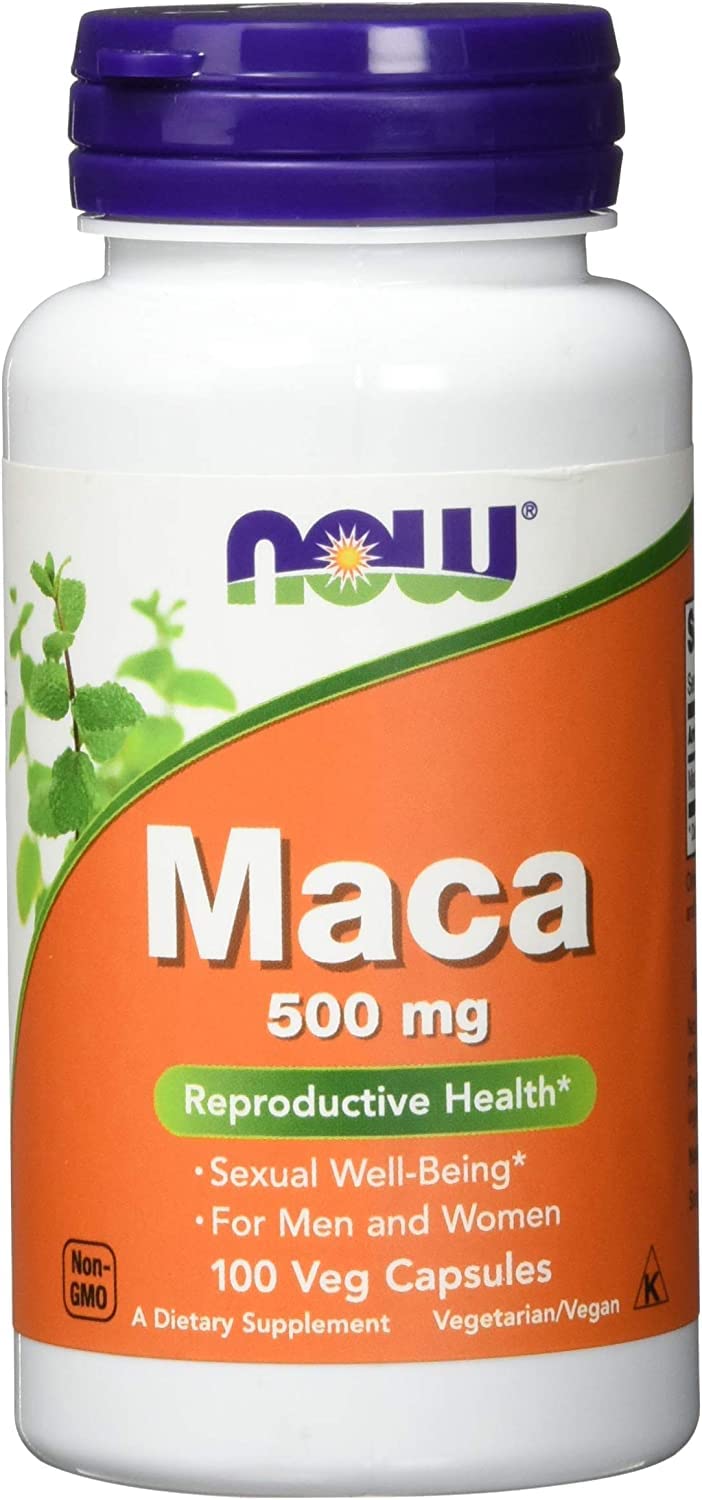
NOW Foods Supplements, Maca (Lepidium meyenii) 500 mg, For Men and Women, Reproductive Health*, 100 Veg Capsules
Buy NOW Foods Supplements, Maca (Lepidium meyenii) 500 mg, For Men and Women, Reproductive Health*, 100 Veg Capsules on Amazon.com ✓ FREE SHIPPING on qualified orders

Navitas Organics Maca Powder – 100% Gelatinized Peruvian Maca for Adaptogen Smoothies, Lattes, Baking & More – Energize & Balance - USDA Organic, Non GMO, Vegan, Gluten Free (8oz. Bag, 45 Servings)
Buy Navitas Organics Maca Powder – 100% Gelatinized Peruvian Maca for Adaptogen Smoothies, Lattes, Baking & More – Energize & Balance - <strong>USDA Organic, Non GMO, Vegan, Gluten Free</stron
Evidence & Sources
Promising research with growing clinical support from multiple studies
- Cochrane Database of Systematic Reviews
- BMC Complementary and Alternative Medicine
- Evidence-Based Complementary and Alternative Medicine
- Journal of Ethnopharmacology
- Maturitas
- Menopause
- National Center for Complementary and Integrative Health (NCCIH)
- European Food Safety Authority (EFSA)
This content is for informational purposes only and does not constitute medical advice. Always consult a qualified healthcare provider before starting, stopping, or changing any supplement or medication regimen.