

Lutein
Also known as: Lutein Ester, FloraGLO Lutein
Overview
Lutein is a naturally occurring carotenoid pigment found in leafy greens, yellow-orange vegetables, egg yolks, and other foods. In the human body, it becomes highly concentrated in the macula and retina, where it acts as part of the eye’s natural protective system. Along with the related carotenoid zeaxanthin, lutein helps form the macular pigment, which is thought to filter high-energy visible light and help manage oxidative stress in delicate eye tissues.
Interest in lutein is especially strong in the context of healthy aging of the eyes, visual performance, and support for people concerned about prolonged screen exposure or environmental light stress. Research has focused most heavily on lutein’s relationship to age-related macular degeneration (AMD) and, to a lesser extent, cataracts, contrast sensitivity, glare recovery, and other aspects of visual function. Because the retina has high metabolic activity and is vulnerable to oxidative damage, nutrients with antioxidant and light-filtering properties have attracted substantial scientific attention.
Lutein is not considered an essential vitamin, but it is widely discussed as a conditionally important dietary carotenoid for ocular health. Typical dietary intake varies considerably by region and eating pattern, and blood or retinal levels may be influenced by overall diet, fat absorption, age, and individual metabolism. In addition to eye health, emerging research has explored possible roles for lutein in cognitive aging, skin photoprotection, and systemic antioxidant balance, though these areas are less established than its ophthalmic relevance.
From a balanced health perspective, lutein is best understood as a nutrient with a clear biological rationale and meaningful but condition-specific evidence, particularly for certain populations at risk of retinal degeneration. It is not a stand-alone answer to vision concerns, and symptoms such as sudden vision changes, eye pain, flashes, floaters, or progressive visual loss warrant evaluation by a qualified healthcare professional.
Medical Perspectives
Two Ways of Seeing Health

Western
scientific · clinical
Western medicine applies science, technology, and clinical experience to treat symptoms through testing, diagnosis, and targeted intervention.

Eastern
traditional · alternative
Eastern medicine focuses on treating the body naturally by applying traditional knowledge practiced for thousands of years, emphasizing balance and whole-person wellness.
Gold Bamboo presents both perspectives side-by-side so you can make informed decisions. We don't advocate for one over the other — your health choices are yours.
Western Medicine Perspective
Western Medicine Perspective
In conventional medicine, lutein is understood primarily through its role in retinal physiology and nutritional ophthalmology. The macular pigment—made largely of lutein, zeaxanthin, and meso-zeaxanthin—helps absorb blue-spectrum light before it reaches photoreceptors and may reduce oxidative stress generated by light exposure and high oxygen turnover in the retina. This mechanistic rationale has led researchers to examine whether higher intake or supplementation is associated with better long-term visual outcomes.
The strongest clinical interest comes from studies on age-related eye disease, especially the AREDS2 trial, which evaluated lutein and zeaxanthin as part of a broader formulation for people at risk of progression of AMD. Findings from this body of research suggest lutein and zeaxanthin can be relevant components of nutritional support for macular health, particularly as alternatives to beta-carotene in some formulations. Research also indicates lutein may improve or help maintain macular pigment optical density, and some studies report benefits in contrast sensitivity, glare tolerance, or subjective visual comfort, although results are not uniform across all populations.
For digital eye strain and concerns about blue light exposure, conventional medicine is more cautious. While lutein’s blue-light filtering properties are biologically plausible, current evidence does not establish it as a definitive intervention for screen-related symptoms. Eye strain from screen use often involves multiple factors, including reduced blinking, dry eye, ergonomics, sleep disruption, and preexisting refractive issues. In this context, lutein is usually discussed as part of broader nutritional support rather than a direct treatment for screen fatigue.
Mainstream clinicians generally view lutein as a low-risk nutritional compound when used appropriately, but not a substitute for eye exams or medical management of disease. Evidence is most compelling for macular support in aging populations, more mixed for cataracts and general visual performance, and still developing for cognitive or whole-body benefits. As with any supplement, questions about suitability, interactions, formulation quality, and relevance to individual eye conditions are best discussed with an ophthalmologist, optometrist, pharmacist, or other qualified healthcare provider.
Eastern & Traditional Perspective
Eastern / Traditional Medicine Perspective
In Traditional Chinese Medicine (TCM), lutein itself is not a classical herb or standalone traditional remedy, but its modern use aligns with longstanding concepts linking eye health to the Liver system and the nourishment of Blood and Yin. Traditional frameworks often interpret blurred vision, dry eyes, visual fatigue, or age-related decline through patterns such as Liver Blood deficiency, Liver and Kidney Yin deficiency, or depletion associated with aging. Foods naturally rich in carotenoids—especially dark leafy greens and deeply colored vegetables—fit well within traditional dietary therapy aimed at nourishing the body and supporting the eyes.
From a broader East Asian and integrative perspective, lutein-containing foods may be viewed as helping maintain resilience against strain from overwork, prolonged concentration, or age-related weakening. Rather than isolating one pigment as the sole answer, traditional systems generally emphasize patterns of balance, including sleep, circulation, digestion, and overall nourishment. In clinical integrative settings, lutein may therefore be discussed alongside dietary habits, eye rest practices, and botanical traditions used historically for visual comfort and healthy aging.
In Ayurveda, there is likewise no exact classical equivalent to lutein as a named nutrient, but eye health is often considered in relation to Pitta balance, tissue nourishment, digestion, and aging. Brightly colored plant foods are commonly valued for their protective qualities, and modern Ayurvedic-informed practitioners may interpret lutein-rich foods as supportive to ocular tissues when digestion and assimilation are functioning well. Naturopathic and functional traditions similarly frame lutein within a broader antioxidant and food-first approach to visual health.
Overall, traditional systems tend to place lutein within a whole-person model: nourishment, aging, visual exertion, and systemic balance all matter. This perspective complements modern research by recognizing the eyes as part of wider constitutional health, while also acknowledging that serious or progressive eye symptoms require assessment through contemporary medical evaluation.
Supplements & Products
Recommended Products
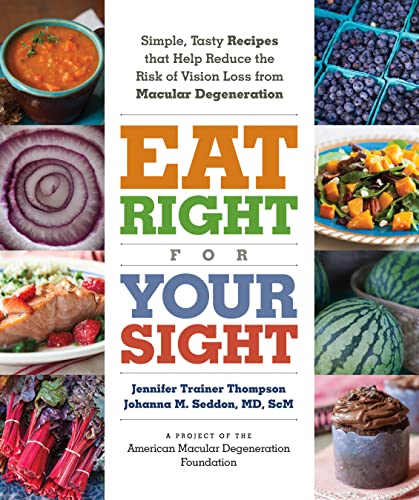
Eat Right for Your Sight: Simple, Tasty Recipes That Help Reduce the Risk of Vision Loss from Macular Degeneration: Thompson, Jennifer Trainer, Seddon MD ScM, Johanna M., The American Macular Degeneration Foundation
Eat Right for Your Sight: <strong>Simple, Tasty Recipes That Help Reduce the Risk of Vision Loss from Macular Degeneration</strong> [Thompson, Jennifer Trainer, Seddon MD ScM, Johanna M., The American
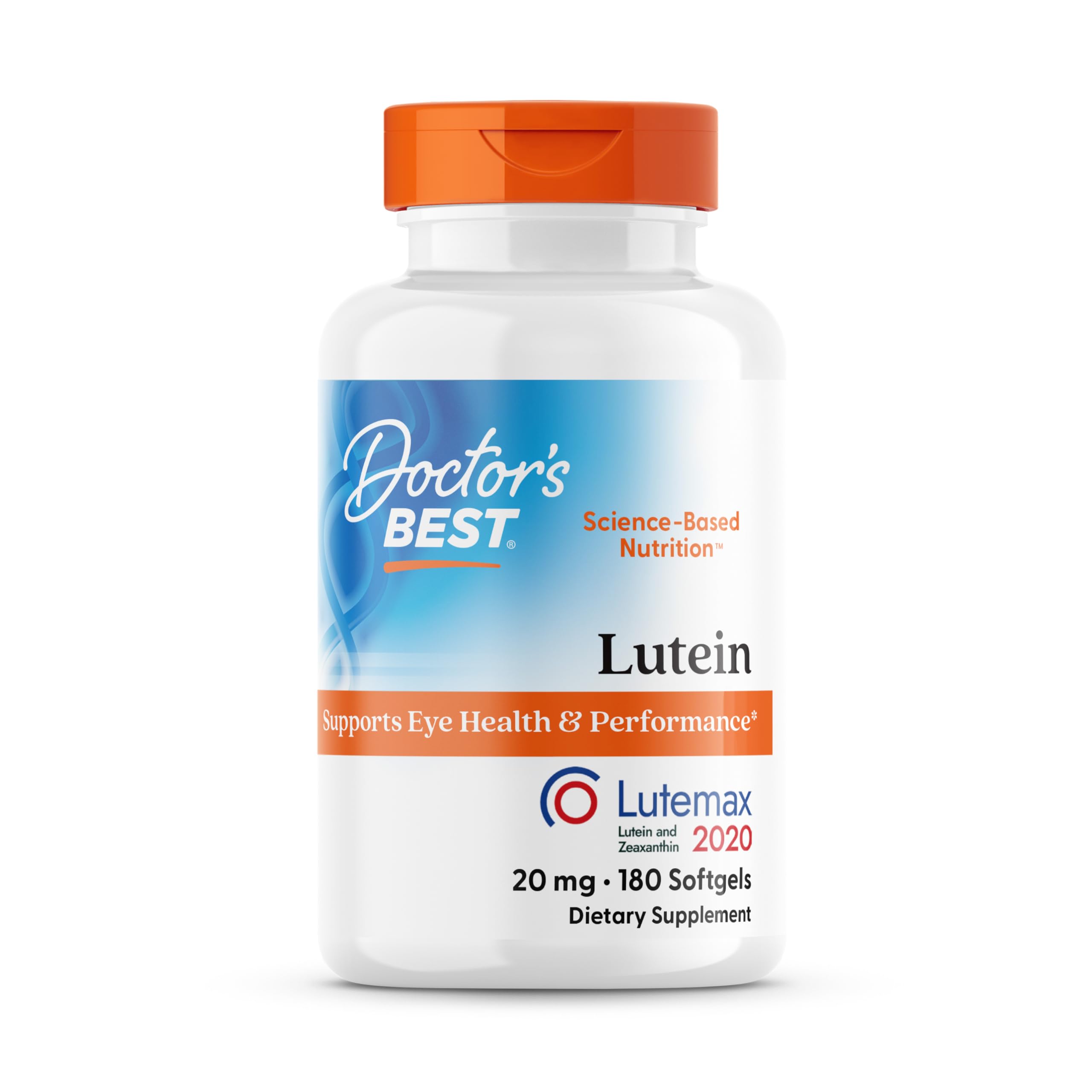
Doctor's Best Lutein Supplement 20mg with Zeaxanthin - Lutein for Eyes, Eye Health Vitamins for Men & Women, Vision and Macular Health Support, Lutemax 2020 Marigold Flower Extract - 180 Softgels
Doctor's Best Lutein Supplement 20mg with Trans Zeaxanthin - Lutein for Eyes, Eye Health Vitamins for Men & Women, Vision and Macular Health Support Capsules, OptiLut Marigold Flower - 120 Ve
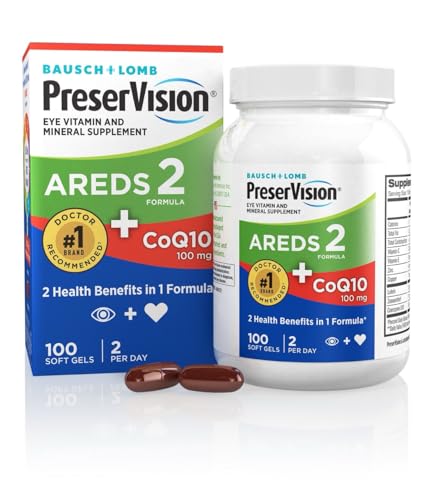
PreserVision AREDS 2 Eye Vitamins, #1 Eye Doctor Recommended Brand, Lutein and Zeaxanthin Supplement with Vitamin C, Vitamin E, Zinc, and Copper, 120 Softgels (Minigels) : Everything Else
Ask your doctor if PreserVision AREDS2 Formula is right for you." •Soft Gels with 6 Essential Nutrients Recommended by the National Eye Institute •AREDS 2 Formula with Lutein and Zeaxanthin Repla
Evidence & Sources
Promising research with growing clinical support from multiple studies
- National Eye Institute (AREDS2)
- JAMA Ophthalmology
- Ophthalmology
- Nutrients
- American Academy of Ophthalmology
- NIH Office of Dietary Supplements
- NCCIH
- Cochrane Database of Systematic Reviews
This content is for informational purposes only and does not constitute medical advice. Always consult a qualified healthcare provider before starting, stopping, or changing any supplement or medication regimen.