

Lactobacillus rhamnosus GG
Also known as: LGG, L. rhamnosus GG, Culturelle Strain
Overview
Lactobacillus rhamnosus GG (LGG) is a well-known probiotic strain originally isolated from the human intestinal tract and widely studied for its role in gut health, microbiome resilience, and immune support. The “GG” designation refers to the researchers Gorbach and Goldin, who characterized the strain and helped establish its importance in probiotic science. Unlike the broader term Lactobacillus, LGG refers to a specific strain with distinct biological properties, an important distinction because probiotic effects are often strain-specific rather than generalizable across an entire species.
Interest in LGG has centered on its potential to help support the gastrointestinal environment during times of disruption, particularly antibiotic use, infectious diarrhea, and other causes of microbiome imbalance. Research suggests that LGG may help maintain the intestinal barrier, compete with less desirable microbes, and interact with immune signaling in ways that influence both local gut function and broader immune responses. Because of this, it is frequently discussed in relation to antibiotic-associated diarrhea, acute infectious diarrhea, and some pediatric digestive concerns.
LGG is among the most researched probiotics in clinical literature, but its benefits are not universal across all conditions. Studies indicate stronger evidence in some settings—such as prevention of certain forms of diarrhea—than in others, such as eczema prevention, general immunity enhancement, or long-term microbiome “optimization.” As with all probiotics, outcomes may depend on the population studied, dose, product quality, viability of the organism, and the specific health context.
From a safety perspective, LGG is generally regarded as well tolerated in healthy populations, though caution is often discussed in medical literature for people who are severely immunocompromised, critically ill, or have central venous catheters, where probiotic use may warrant individualized medical review. For consumers and clinicians alike, LGG illustrates an important principle in microbiome science: the identity of the exact strain matters, and evidence should be interpreted according to the specific probiotic studied rather than broad claims about “good bacteria.”
Medical Perspectives
Two Ways of Seeing Health

Western
scientific · clinical
Western medicine applies science, technology, and clinical experience to treat symptoms through testing, diagnosis, and targeted intervention.

Eastern
traditional · alternative
Eastern medicine focuses on treating the body naturally by applying traditional knowledge practiced for thousands of years, emphasizing balance and whole-person wellness.
Gold Bamboo presents both perspectives side-by-side so you can make informed decisions. We don't advocate for one over the other — your health choices are yours.
Western Medicine Perspective
Western Medicine Perspective
In conventional medicine, Lactobacillus rhamnosus GG is understood as a defined microbial intervention studied primarily for its effects on the gastrointestinal tract, mucosal barrier function, and immune modulation. Laboratory and clinical research suggests that LGG may adhere to intestinal mucus, produce metabolites that influence the gut environment, and interact with epithelial and immune cells in ways that can affect inflammation and colonization resistance. These mechanisms form the basis for interest in LGG during antibiotic exposure, gastroenteritis, and other disturbances of the gut microbiome.
Clinical evidence is strongest in the area of diarrhea-related outcomes, although findings are mixed depending on age group, timing, formulation, and study design. Some randomized trials and meta-analyses have found that LGG may reduce the risk or duration of antibiotic-associated diarrhea and may modestly support recovery in acute infectious diarrhea, especially in children. At the same time, more recent guidelines in some settings have become more cautious, noting heterogeneity in probiotic products and variable trial quality. In other words, LGG remains one of the better-studied probiotic strains, but conventional medicine does not treat all probiotic claims as equivalent or uniformly supported.
Western clinicians also evaluate LGG through the lens of safety, manufacturing quality, and strain verification. A probiotic product marketed as containing Lactobacillus may not deliver the same effects seen in LGG trials unless it contains the exact studied strain in adequate viable amounts through the end of shelf life. Research and guideline discussions also emphasize that probiotics are not a substitute for standard medical care in serious gastrointestinal illness, dehydration, or persistent symptoms. Consultation with a qualified healthcare professional is appropriate when considering probiotic use in medically complex situations.
Eastern & Traditional Perspective
Eastern and Traditional Medicine Perspective
Traditional systems such as Traditional Chinese Medicine (TCM), Ayurveda, and naturopathy do not historically describe Lactobacillus rhamnosus GG by modern microbial strain name, but they do contain long-standing frameworks that parallel the concept of supporting the body’s internal ecological balance. In these traditions, digestive health is often seen as central to overall vitality. Contemporary integrative practitioners may view probiotics like LGG as tools that align with traditional goals such as strengthening digestion, restoring balance after disruption, and supporting the body’s defensive capacity.
In TCM, digestive disturbances are often interpreted through patterns involving the Spleen and Stomach, as well as the balance of dampness, heat, and the smooth flow of qi. From an integrative TCM perspective, a probiotic such as LGG may be discussed as a modern adjunct intended to help restore harmony in the digestive terrain after stressors such as dietary irregularity, illness, or medications. However, classical TCM assessment remains pattern-based rather than strain-based, meaning the broader constitutional picture is considered more important than any single supplement.
In Ayurveda, digestive function is framed around agni (digestive fire), tissue nourishment, and the accumulation or clearing of ama (metabolic waste or undigested residue). While LGG is not a classical Ayurvedic substance, modern Ayurvedic and naturopathic interpretations may place it within a strategy aimed at supporting healthy digestion and resilience of the gut environment, particularly after factors believed to disturb internal balance. Naturopathic practice similarly tends to regard strain-specific probiotics as potentially supportive, while emphasizing individualized assessment, diet, and overall lifestyle context.
Across these traditions, it is important to distinguish historical theory from modern evidence. The use of LGG itself is a product of contemporary microbiology, while traditional frameworks offer interpretive models for understanding why digestive balance matters systemically. Integrative care generally places probiotic use within a broader context rather than viewing it as a stand-alone answer to complex digestive or immune concerns.
Supplements & Products
Recommended Products

The Probiotics Revolution: The Definitive Guide to Safe, Natural Health Solutions Using Probiotic and Prebiotic Foods and Supplements: Huffnagle, Gary B., Wernick, Sarah
The Probiotics Revolution: The Definitive Guide to Safe, Natural Health Solutions Using Probiotic and Prebiotic Foods and Supplements [Huffnagle, Gary B., Wernick, Sarah] on Amazon.com. *FREE* shippin
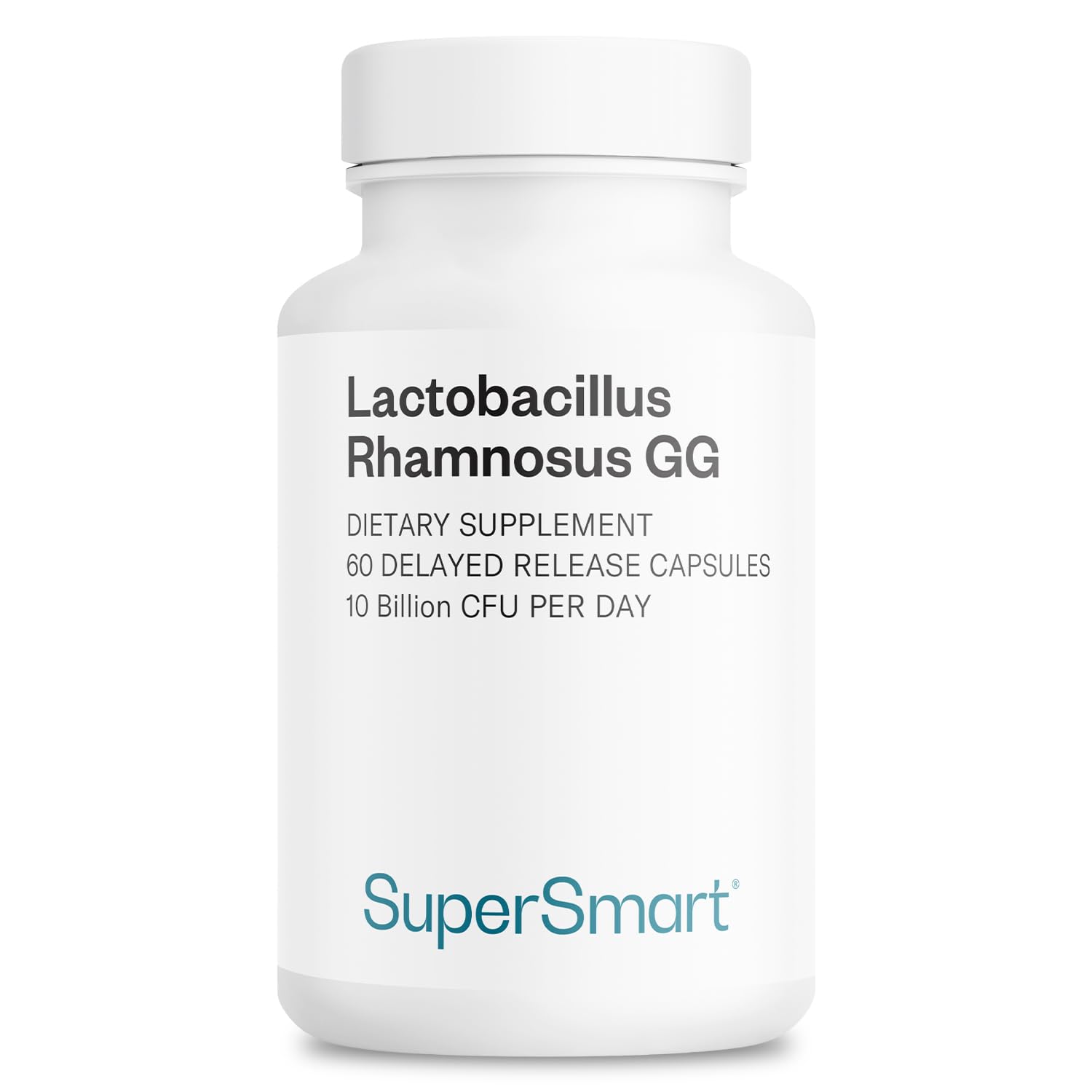
Supersmart Lactobacillus Rhamnosus GG 10 Billion CFU per Day (LGG Probiotic with Inulin) - L. Rhamnosus Supplement | Non-GMO & Gluten Free - 60 DR Capsules
Delayed Relased capsules are <strong>gastro-resistant for greater effect</strong>. Contains Inulin (Cichorium intybus) Root Extract (From Chicory) 250 mg LifeinU (Lactobacillus rhamnosus GG) 100 mg (1

Culturelle Digestive Health Daily Probiotic Chewables, Probiotic For Men and Women, Most Clinically Studied Probiotic Strain, 10 Billion CFUs, Supports Occasional Diarrhea, Gas & Bloating, 24 Count
PROVEN EFFECTIVE STRAIN: Culturelle Chewables are <strong>formulated with the clinically studied probiotic strain</strong>, Lactobacillus rhamnosus (LGG) has also been demonstrated to survive harsh st
Evidence & Sources
Promising research with growing clinical support from multiple studies
- National Center for Complementary and Integrative Health (NCCIH)
- World Gastroenterology Organisation Global Guidelines on Probiotics and Prebiotics
- Clinical Gastroenterology and Hepatology
- The Lancet Gastroenterology & Hepatology
- Pediatrics
- Journal of Pediatric Gastroenterology and Nutrition
- American Gastroenterological Association Guidelines
- Gut Microbes
This content is for informational purposes only and does not constitute medical advice. Always consult a qualified healthcare provider before starting, stopping, or changing any supplement or medication regimen.