

L-Tryptophan
Also known as: Tryptophan, L Tryptophan
Overview
L-tryptophan is an essential amino acid, meaning the body cannot produce it and must obtain it from food or supplements. It serves as a biochemical precursor to several important compounds, most notably serotonin and melatonin, which helps explain why it is frequently discussed in connection with mood, sleep, relaxation, and circadian rhythm regulation. Dietary sources include protein-containing foods such as poultry, dairy, eggs, seeds, soy, and legumes, while supplemental forms are used in research and consumer wellness settings.
Interest in L-tryptophan largely centers on its role in the tryptophan-serotonin-melatonin pathway. In broad terms, tryptophan is converted to 5-hydroxytryptophan (5-HTP), then to serotonin, and from there to melatonin. Because serotonin is involved in emotional regulation, appetite, and pain processing, and melatonin is central to the sleep-wake cycle, researchers have explored whether increasing available tryptophan may influence symptoms related to insomnia, low mood, stress reactivity, and sleep quality. However, the relationship is complex: metabolism depends on enzymes, nutrient cofactors, overall diet, inflammation, and competition with other amino acids for transport into the brain.
The scientific story around L-tryptophan is also shaped by safety history. In the late 1980s, an outbreak of eosinophilia-myalgia syndrome (EMS) was linked to contaminated tryptophan products, leading to major regulatory concern. Although the episode is generally understood to have been associated with contamination rather than the amino acid itself, it remains an important context for how the supplement is viewed. Contemporary supplement quality standards are substantially different, but this history contributes to ongoing caution around sourcing, purity, and interactions with medications.
Today, L-tryptophan is best understood as a biologically plausible but condition-specific supplement with stronger rationale than certainty. Research suggests potential relevance for sleep latency, subjective sleep quality, and some aspects of mood regulation, but findings are mixed, and effects may be modest or dependent on the population studied. It is also important to distinguish L-tryptophan from related compounds such as 5-HTP and from prescription agents that directly affect serotonin pathways. As with many supplements that influence neurochemistry, context, product quality, and professional oversight matter.
Medical Perspectives
Two Ways of Seeing Health

Western
scientific · clinical
Western medicine applies science, technology, and clinical experience to treat symptoms through testing, diagnosis, and targeted intervention.

Eastern
traditional · alternative
Eastern medicine focuses on treating the body naturally by applying traditional knowledge practiced for thousands of years, emphasizing balance and whole-person wellness.
Gold Bamboo presents both perspectives side-by-side so you can make informed decisions. We don't advocate for one over the other — your health choices are yours.
Western Medicine Perspective
Western Medicine Perspective
From a conventional biomedical perspective, L-tryptophan is primarily understood through its role in amino acid metabolism and neurotransmitter synthesis. As a precursor to serotonin and melatonin, it has been studied for sleep disorders, depressive symptoms, premenstrual mood changes, anxiety-related symptoms, and behavioral regulation, though the evidence base varies considerably by indication. Researchers also examine tryptophan metabolism through the kynurenine pathway, which becomes particularly relevant in inflammation, immune activation, and stress. Under these conditions, more tryptophan may be diverted away from serotonin production, which is one reason simple precursor supplementation does not always produce predictable central nervous system effects.
Clinical research on sleep has shown some support for L-tryptophan in reducing sleep onset latency and influencing perceived sleep quality, especially in people with mild sleep disturbance rather than severe chronic insomnia. In mood research, low tryptophan availability has been associated with changes in serotonin signaling, and acute tryptophan depletion is widely used in experimental settings to study mood vulnerability. However, this does not automatically translate into robust clinical benefit from supplementation. Studies of depression and anxiety have produced mixed results, often limited by small sample sizes, older methodologies, or differences in dose and study design.
Safety is an important part of the western medical view. Because L-tryptophan may affect serotonin pathways, there is concern about interactions with SSRIs, SNRIs, MAO inhibitors, triptans, and other serotonergic agents, theoretically increasing the risk of serotonin excess in some contexts. Sedation-related effects are also relevant when combined with alcohol, sleep medications, or other calming substances. Conventional sources also emphasize the historical EMS contamination event, underscoring that supplement safety depends not only on the ingredient but also on manufacturing quality and product testing.
In mainstream practice, L-tryptophan is not a first-line medical treatment for major psychiatric or sleep disorders, but it remains a subject of interest in integrative and nutritional psychiatry. The western perspective generally views it as a supplement with plausible mechanisms and some encouraging data, yet one that requires careful interpretation of evidence, attention to contraindications, and consultation with a qualified healthcare professional when used alongside medications or in the setting of significant symptoms.
Eastern & Traditional Perspective
Eastern and Traditional Medicine Perspective
Traditional medical systems do not usually describe L-tryptophan in the modern biochemical terms used by western medicine, since amino acids and neurotransmitters are contemporary scientific categories. However, many eastern and traditional frameworks have long addressed the patterns that L-tryptophan is now associated with, including restlessness, disturbed sleep, emotional imbalance, fatigue, and stress-related dysregulation. In this sense, the supplement may be interpreted not as a stand-alone traditional remedy, but as a modern nutrient that overlaps with longstanding therapeutic goals.
In Traditional Chinese Medicine (TCM), symptoms such as insomnia, irritability, excessive dreaming, poor concentration, or low mood may be understood through patterns involving the Heart, Liver, Spleen, and Shen. A TCM practitioner would traditionally evaluate whether sleep and mood disturbances reflect issues such as Heart blood deficiency, Liver qi stagnation, yin deficiency, or phlegm-heat disturbing the mind. Within that framework, an isolated nutrient is generally less central than the broader pattern; diet, herbs, acupuncture, breathing practices, and lifestyle rhythms are typically considered together. A substance that supports calmness or sleep might be viewed as indirectly nourishing balance, but not as replacing pattern-based assessment.
In Ayurveda, sleep and mood concerns may be interpreted through imbalances in Vata, Pitta, or Tamas/Rajas-related mental qualities, depending on the presentation. Restlessness, worry, light sleep, and nervous exhaustion are often associated with aggravated Vata, while irritability and intensity may be linked with Pitta disturbance. From this perspective, a nutrient involved in relaxation or sleep regulation could be seen as supportive in a general sense, yet Ayurveda traditionally emphasizes digestion, tissue nourishment, nervous system steadiness, daily routine, and individualized constitution over single-compound intervention.
In naturopathy and other integrative traditions, L-tryptophan is often discussed as part of a broader mind-body and nutritional terrain. Practitioners may consider whether poor sleep or mood changes are connected with stress, inflammatory load, inadequate protein intake, circadian disruption, micronutrient status, or digestive issues affecting nutrient assimilation. This systems-oriented perspective aligns with the idea that L-tryptophan may have relevance, but that its effects are shaped by the broader internal environment. Across these traditions, the common theme is individualized assessment and the understanding that sleep and emotional wellbeing are influenced by more than a single biochemical pathway.
Supplements & Products
Recommended Products
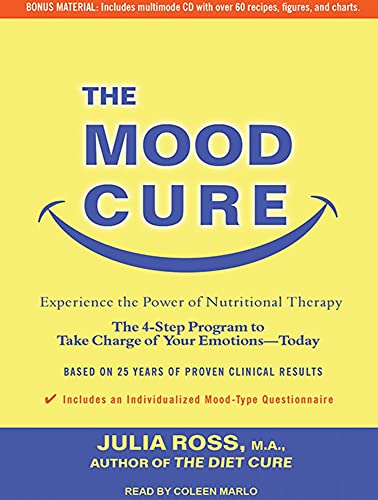
The Mood Cure: The 4-Step Program to Take Charge of Your Emotions-Today: Julia Ross
Toxic, 2nd Edition: Heal Your Body from Mold Toxicity, Lyme Disease, Multiple Chemical Sensitivities, and Chronic Environmental Illness ... A Guide to Amino Acid and Protein Nutrition: Essential Amino
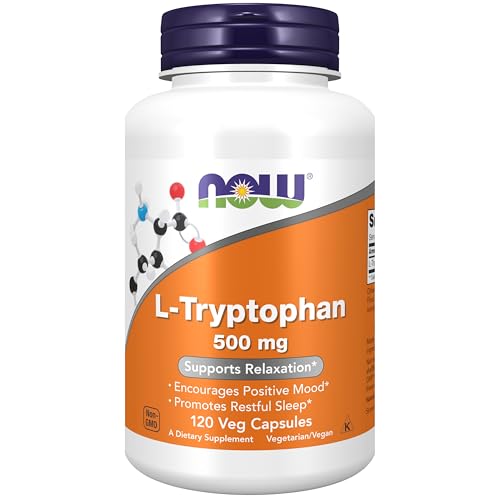
NOW Foods Supplements, L-Tryptophan 500 mg, Encourages Positive Mood*, Supports Relaxation*, 120 Veg Capsules
Life Extension L-Tryptophan, 500 mg, <strong>Encourages Healthy Serotonin Levels and Promotes Healthy Sleep, Mood, Stress Response & Satiety</strong>, Gluten-Free, Non-GMO, Vegetarian, 90 Capsules
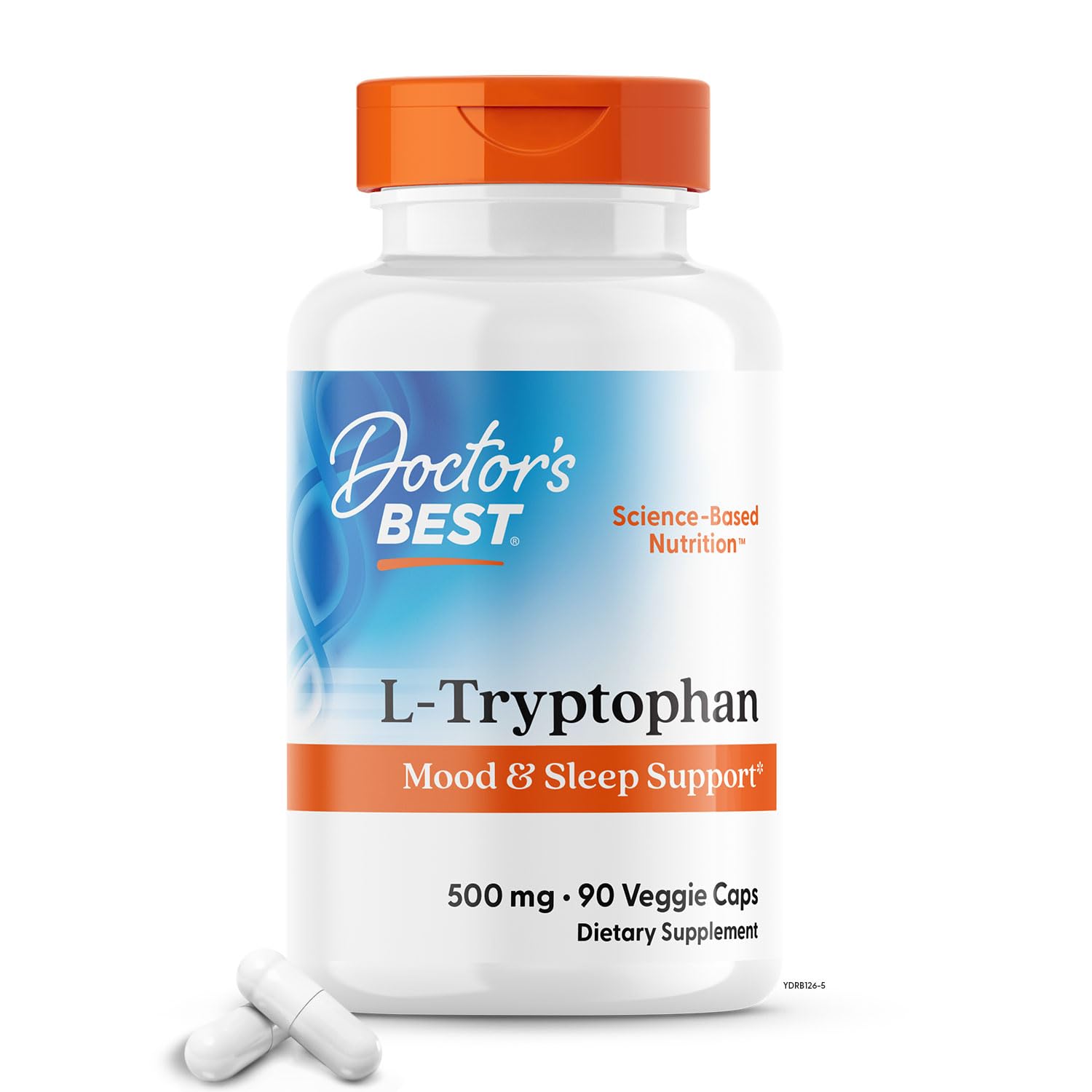
Doctor's Best L-Tryptophan , Helps Sleep, Healthy Mood & Behavior, Non-GMO, Vegan, Gluten & Soy Free, Veggie Caps, Promotes Normal, Healthy Restful Sleep, 90 Count
L-Tryptophan (from TryptoPure) 500 mg, Modified cellulose (vegetarian capsule), magnesium stearate (vegetable source) microcrystalline cellulose, silicon dioxide.
Evidence & Sources
Promising research with growing clinical support from multiple studies
- National Institutes of Health Office of Dietary Supplements
- National Center for Complementary and Integrative Health (NCCIH)
- World Health Organization
- Cochrane Database of Systematic Reviews
- The American Journal of Clinical Nutrition
- Journal of Psychiatry & Neuroscience
- Sleep Medicine Reviews
- The New England Journal of Medicine
This content is for informational purposes only and does not constitute medical advice. Always consult a qualified healthcare provider before starting, stopping, or changing any supplement or medication regimen.