

Inositol
Also known as: Myo-Inositol, D-Chiro-Inositol, Vitamin B8
Overview
Inositol is a naturally occurring carbohydrate-like compound sometimes grouped with the B-vitamin family, although it is not considered an essential vitamin. It exists in several forms, with myo-inositol and D-chiro-inositol being the most commonly discussed in health research and supplement use. In the body, inositol plays important roles in cell signaling, insulin signaling, nerve function, and reproductive physiology. It is found naturally in foods such as fruits, beans, grains, and nuts, and is also synthesized by the human body.
Interest in inositol has grown because of its connection to several common health concerns, particularly polycystic ovary syndrome (PCOS), insulin resistance, and certain mental health conditions such as anxiety-related disorders and depression. Research has also examined inositol in fertility support, metabolic syndrome, and gestational metabolic health. Its broad physiologic role has made it a topic of discussion in both conventional and integrative medicine.
From a clinical standpoint, inositol is best known for its possible effects on ovarian function, menstrual regularity, glucose metabolism, and cellular messenger systems in the brain. Studies suggest that specific forms and ratios of inositol may influence ovulation and insulin sensitivity in some populations, especially among people with PCOS. In mental health research, investigators have explored whether inositol affects neurotransmitter-related pathways involved in panic, obsessive-compulsive symptoms, and mood regulation, though findings have been mixed and the evidence is less consistent than in reproductive health.
Overall, inositol occupies an interesting middle ground between mainstream and complementary care. It is neither a fringe remedy nor a universally established therapy. The strongest interest centers on metabolic and reproductive applications, while psychiatric and broader wellness uses remain more variable in the literature. As with many supplements, product quality, formulation, and individual health context matter, and questions about use are best interpreted with guidance from qualified healthcare professionals.
Medical Perspectives
Two Ways of Seeing Health

Western
scientific · clinical
Western medicine applies science, technology, and clinical experience to treat symptoms through testing, diagnosis, and targeted intervention.

Eastern
traditional · alternative
Eastern medicine focuses on treating the body naturally by applying traditional knowledge practiced for thousands of years, emphasizing balance and whole-person wellness.
Gold Bamboo presents both perspectives side-by-side so you can make informed decisions. We don't advocate for one over the other — your health choices are yours.
Western Medicine Perspective
Western / Conventional Medicine Perspective
In conventional medicine, inositol is understood primarily as a biologically active signaling molecule involved in intracellular communication. Myo-inositol is a precursor for phosphoinositides, which participate in pathways that regulate hormones, insulin action, and neurotransmitter signaling. D-chiro-inositol is also relevant to insulin-mediated pathways, and researchers have examined whether altered inositol metabolism may contribute to conditions marked by metabolic dysfunction or impaired ovarian signaling.
The most developed area of conventional research involves PCOS. Studies and meta-analyses suggest that myo-inositol, alone or in combination with D-chiro-inositol, may improve ovulatory function, menstrual cyclicity, and some markers of insulin sensitivity in certain individuals with PCOS. Some investigations also report favorable effects on androgen-related features and metabolic parameters, although results are not uniform across all trials. Conventional clinicians who discuss inositol in this context often frame it as a supplement with growing evidence, but not as a replacement for established diagnostic evaluation or broader medical management.
In mental health, inositol has been studied for panic disorder, obsessive-compulsive disorder, depression, and anxiety-related symptoms because of its possible influence on serotonin-linked and second-messenger pathways. However, psychiatric findings have been inconsistent, with some small studies suggesting benefit and others showing limited or unclear effects. As a result, conventional medicine generally views inositol as an area of ongoing investigation rather than a standard front-line intervention for mood or anxiety disorders.
Safety discussions in the medical literature often describe inositol as generally well tolerated in studied populations, with gastrointestinal discomfort among the more commonly reported adverse effects. Even so, conventional care emphasizes that supplements can interact with broader treatment plans, and people with endocrine, psychiatric, fertility, pregnancy-related, or chronic metabolic concerns benefit from individualized review with a licensed healthcare professional.
Eastern & Traditional Perspective
Eastern / Traditional Medicine Perspective
In Traditional Chinese Medicine (TCM) and Ayurveda, inositol is not historically categorized as a classical remedy in the way herbs, minerals, or traditional formulas are. Instead, it is more often incorporated into modern integrative practice through a functional or nutritional lens. Practitioners may interpret the symptoms associated with inositol use—such as irregular cycles, metabolic imbalance, mood disturbance, or stress reactivity—through traditional diagnostic patterns rather than through the supplement itself as a standalone historical agent.
From a TCM perspective, presentations associated with PCOS or menstrual irregularity may be understood in patterns involving phlegm-damp accumulation, liver qi stagnation, kidney deficiency, or blood stasis, depending on the individual. An integrative TCM practitioner may view inositol as a modern nutritional tool that could complement broader goals related to cycle regulation, emotional balance, and metabolic harmony, while still grounding assessment in pattern differentiation, sleep, digestion, stress, and constitutional factors.
In Ayurveda, concerns such as insulin resistance, weight dysregulation, menstrual irregularity, and mood instability might be interpreted through imbalances involving kapha, vata, impaired agni (digestive/metabolic fire), and disturbances in tissue metabolism. Within this framework, inositol may be discussed not as a classical rasayana or herb, but as a contemporary compound relevant to glucose handling, reproductive function, and nervous system balance. Naturopathic and integrative traditions similarly tend to place inositol within a broader terrain-based model that considers nutrition, stress physiology, endocrine function, and digestive health together.
Traditional systems generally emphasize that no single compound fully explains a complex pattern of symptoms. Accordingly, inositol is often viewed in integrative care as adjunctive and context-dependent, with traditional assessment focusing on the whole person rather than a single biochemical pathway.
Supplements & Products
Recommended Products
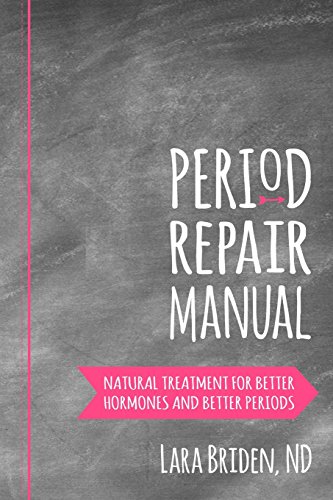
Period Repair Manual: Natural Treatment for Better Hormones and Better Periods: Briden ND, Lara
Her books Period Repair Manual, Hormone Repair Manual, and Metabolism Repair for Women are <strong>practical guides to better health using nutrition, supplements, and body-identical hormones</strong>.
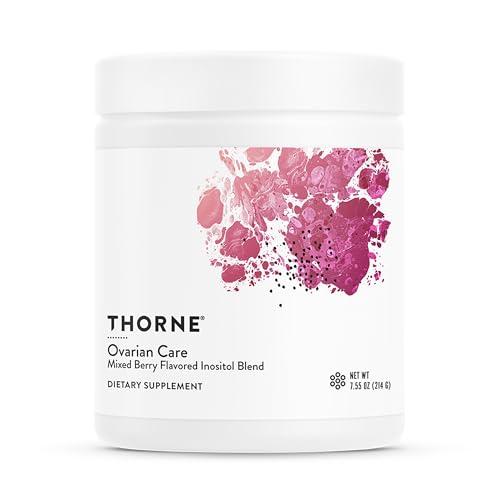
THORNE - Ovarian Care - Women's Health - Inositol, CoQ10, Folate & Polyphenols - Promote Healthy Ovarian Function & Fertility Health* - Mixed Berry - 7.55 Oz - 60 Servings
Active Ingredients: The naturally occurring ratio of 40:1 myo-inositol to D-chiro-inositol has been clinically studied to provide numerous health benefits, while CoQ10 helps protect against age-relate
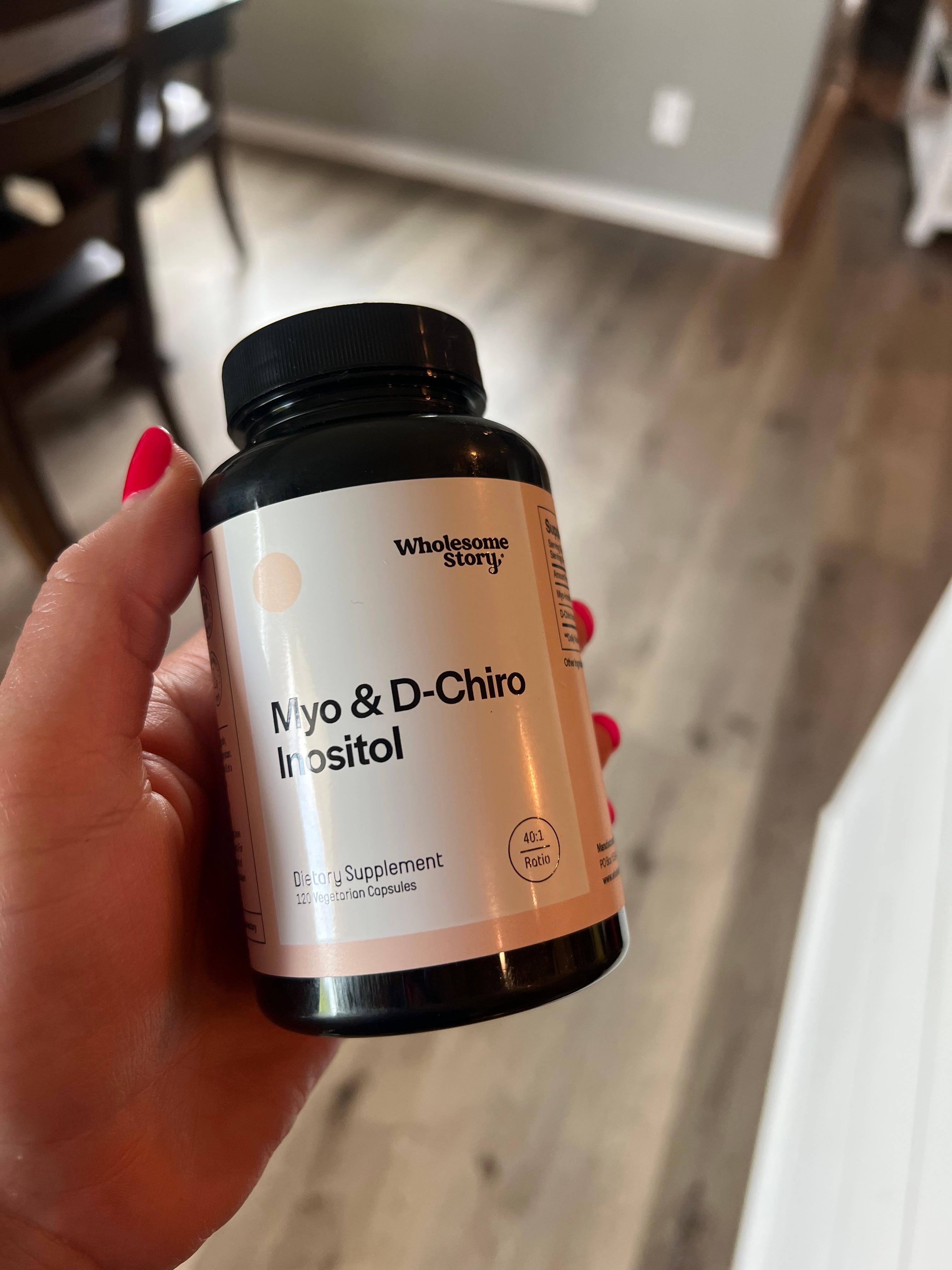
Wholesome Story Myo-Inositol & D-Chiro Inositol Supplement for Women | Fertility Supplements for Hormonal Balance & Ovarian Health Support | Myoinositol | Ideal 40:1 Ratio | 30 Servings
Our Myo & D-Chiro products contain a 40:1 ratio of Myo- to D-Chiro Inositol, shown to be <strong>the most beneficial ratio for women of reproductive age</strong>.* Myo-Inositol provides many of th
Evidence & Sources
Promising research with growing clinical support from multiple studies
- National Center for Complementary and Integrative Health (NCCIH)
- National Institutes of Health Office of Dietary Supplements
- International Journal of Endocrinology
- Gynecological Endocrinology
- Cochrane Database of Systematic Reviews
- European Review for Medical and Pharmacological Sciences
- Journal of Clinical Psychopharmacology
- Frontiers in Endocrinology
This content is for informational purposes only and does not constitute medical advice. Always consult a qualified healthcare provider before starting, stopping, or changing any supplement or medication regimen.