

Hyaluronic Acid
Also known as: HA, Sodium Hyaluronate, Hyaluronan
Overview
Hyaluronic acid (HA) is a naturally occurring polysaccharide, often classified as a glycosaminoglycan, found throughout the human body with especially high concentrations in the skin, synovial fluid, connective tissue, and eyes. Its main biological role is to bind and retain water, helping maintain tissue hydration, elasticity, cushioning, and lubrication. Because of these properties, hyaluronic acid has become widely discussed in the context of skin moisture, visible skin aging, wound support, and joint comfort. It is available in multiple forms, including topical skincare products, oral supplements, and medical injections used in certain clinical settings.
Interest in hyaluronic acid is driven by both normal aging and disease-related changes. Natural HA levels in tissues may decline with age, and alterations in hyaluronic acid metabolism are associated with skin dryness, reduced skin suppleness, and joint degeneration such as osteoarthritis. In consumer health, it is commonly marketed for “plumping” the skin, supporting hydration from within, and promoting comfortable movement. In medicine, it is also used more formally in dermal fillers, ophthalmic surgery, wound dressings, and intra-articular viscosupplementation.
Research suggests the effects of hyaluronic acid depend heavily on route of administration, molecular weight, formulation, and target tissue. Topical products may help improve skin surface hydration and reduce transepidermal water loss, though larger HA molecules tend to act mainly at the surface while smaller fragments may penetrate differently. Oral supplementation has been studied for skin hydration and knee osteoarthritis symptoms, with some studies indicating modest benefits, though findings are not entirely uniform. Injectable forms generally have more targeted and better-characterized effects in clinical use, but they are distinct from over-the-counter supplements.
From a broader health perspective, hyaluronic acid occupies an interesting space between cosmetic, supplemental, and medical use. It is not a vitamin or essential nutrient in the classic sense, but rather a structural compound central to tissue function. For that reason, discussions about HA often span dermatology, rheumatology, sports medicine, and integrative health. As with many supplements, interpretation benefits from context: oral, topical, and injectable hyaluronic acid are not interchangeable, and the quality of evidence varies considerably depending on the claimed use.
Medical Perspectives
Two Ways of Seeing Health

Western
scientific · clinical
Western medicine applies science, technology, and clinical experience to treat symptoms through testing, diagnosis, and targeted intervention.

Eastern
traditional · alternative
Eastern medicine focuses on treating the body naturally by applying traditional knowledge practiced for thousands of years, emphasizing balance and whole-person wellness.
Gold Bamboo presents both perspectives side-by-side so you can make informed decisions. We don't advocate for one over the other — your health choices are yours.
Western Medicine Perspective
Western Medicine Perspective
In conventional medicine, hyaluronic acid is understood as a key component of the extracellular matrix that contributes to tissue hydration, viscoelasticity, shock absorption, and cellular signaling. In the skin, HA helps maintain moisture and structural support; in joints, it contributes to the viscosity of synovial fluid and helps lubricate articulating surfaces. Medical interest has focused on both the biological role of endogenous HA and the clinical utility of externally administered formulations. This has led to established uses in dermatology, orthopedics, ophthalmology, and wound care.
For skin health, studies indicate that topical hyaluronic acid can improve surface hydration and the appearance of dry or fine-lined skin, especially when included in well-formulated moisturizers. Oral hyaluronic acid has also been investigated for skin moisture and elasticity, with some randomized trials suggesting measurable improvements in hydration and wrinkle appearance over time, though study quality and product differences make broad conclusions difficult. In aesthetic medicine, injectable hyaluronic acid fillers are well studied and commonly used for soft-tissue augmentation, but these are medical procedures rather than supplement use.
For joint health, hyaluronic acid is most often discussed in relation to osteoarthritis, particularly of the knee. Intra-articular HA injections have been used as viscosupplementation, and systematic reviews suggest they may provide modest symptom relief in some patients, although guideline positions vary due to mixed trial results and concerns about cost-effectiveness or inconsistent benefit. Oral HA supplements have also been studied for joint discomfort, with some evidence suggesting mild improvements in pain and function, but this area remains less established than injectable use. Conventional medicine generally views oral HA as a lower-risk intervention with promising but not definitive evidence for musculoskeletal outcomes.
Safety is typically considered favorable for topical and oral forms, with adverse effects generally mild when they occur. Injectable forms carry different risks depending on the application, including local reactions and procedure-related complications. From a western evidence standpoint, hyaluronic acid is best supported for skin hydration and certain medical uses, while claims around broad “anti-aging” or generalized connective tissue support are interpreted more cautiously. Healthcare-provider input is especially relevant when HA is being considered in the context of joint disease, cosmetic procedures, pregnancy, complex skin conditions, or concurrent therapies.
Eastern & Traditional Perspective
Eastern / Traditional Medicine Perspective
In Traditional Chinese Medicine (TCM) and Ayurveda, hyaluronic acid is not a classical herb or traditional materia medica substance, so it is generally not described in the original traditional texts in the same way as botanicals, minerals, or foods. However, the functions associated with hyaluronic acid—moistening dryness, supporting connective tissues, cushioning joints, and preserving skin suppleness—overlap with long-standing traditional concepts. As a result, modern integrative practitioners may interpret HA through the lens of broader constitutional patterns rather than as a standalone traditional remedy.
In TCM-style interpretation, concerns such as dry skin, reduced fluid nourishment, and age-related joint stiffness may be viewed in relation to patterns involving Yin deficiency, Blood deficiency, or depletion of Kidney and Liver systems, depending on the presentation. A moisture-supporting substance like hyaluronic acid may therefore be discussed conceptually as aligning with efforts to nourish fluids and support tissues, even though HA itself is a modern biochemical ingredient rather than a traditional formula component. Integrative TCM practice may place it alongside dietary therapy, topical care, movement practices, and individualized herbal frameworks rather than treating it as a complete solution by itself.
In Ayurvedic interpretation, skin dryness, loss of luster, and joint friction may be associated with Vata imbalance, particularly when dryness, roughness, and degeneration predominate. From that perspective, a hydrating and lubricating compound such as hyaluronic acid may be seen as conceptually compatible with therapies intended to support unctuousness, tissue resilience, and healthy aging, especially regarding the skin and joints. Still, Ayurveda traditionally relies more on oils, rasayanas, digestive balance, and individualized constitutional assessment than on isolated compounds.
In naturopathic and integrative medicine, hyaluronic acid is often framed as a structural and hydrating support molecule that may complement broader strategies focused on barrier health, inflammation balance, mobility, and healthy aging. This perspective tends to emphasize that outcomes may depend on overall nutrition, hydration status, tissue health, and the underlying cause of symptoms. Traditional and integrative systems generally regard HA as potentially useful in context, while also recognizing that evidence for oral supplementation is still developing and that individualized evaluation remains important.
Supplements & Products
Recommended Products
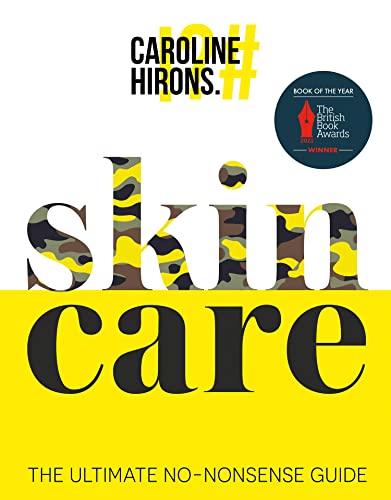
The Skincare Bible: Your No-Nonsense Guide to Great Skin: Mahto, Anjali
Dr Mahto <strong>cuts through all the nonsense and gives you the tools to take control of your skincare</strong>. She debunks common myths, provides clear instructions on how to interpret the list of

Jarrow Formulas Hyaluronic Acid 120 mg, Dietary Supplement, Skin Health Support, 60 Veggie Capsules, Up to 30 Day Supply
Jarrow Formulas Hyaluronic Acid is <strong>a solution for skin health</strong>.* This exceptional formula utilizes the power of hyaluronic acid, a vital component found in the body's joint cartil
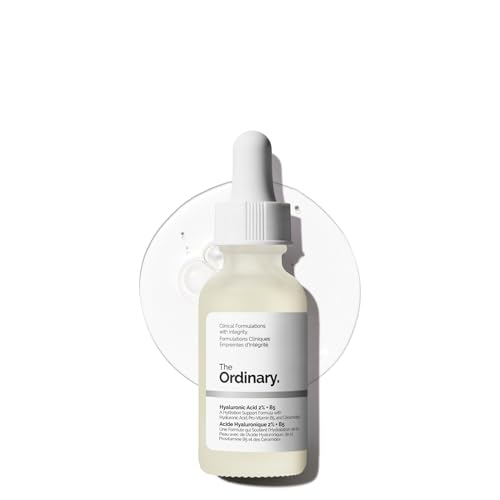
The Ordinary Hyaluronic Acid 2% + B5 (with Ceramides), Multi-Depth Hydration Serum for Plumper, Smoother Skin, 1 Fl Oz
The Ordinary Hyaluronic Acid 2% + B5 is our most-loved hydration serum that <strong>instantly hydrates and plumps, while smoothing texture and wrinkles</strong>.
Evidence & Sources
Promising research with growing clinical support from multiple studies
- National Center for Complementary and Integrative Health (NCCIH)
- National Institutes of Health (NIH)
- Osteoarthritis and Cartilage
- Journal of Clinical and Aesthetic Dermatology
- Dermato-Endocrinology
- Molecules
- American Academy of Orthopaedic Surgeons (AAOS)
- European Society for Clinical and Economic Aspects of Osteoporosis, Osteoarthritis and Musculoskeletal Diseases (ESCEO)
This content is for informational purposes only and does not constitute medical advice. Always consult a qualified healthcare provider before starting, stopping, or changing any supplement or medication regimen.