

Holy Basil
Also known as: Tulsi
Overview
Holy basil (Ocimum tenuiflorum, also called Ocimum sanctum and commonly known as tulsi) is an aromatic plant long used in South Asian herbal traditions. It is classified as a botanical supplement and is most often discussed for its traditional role in stress resilience, vitality, metabolic balance, and healthy aging. Different parts of the plant—including the leaves, stems, and essential oils—contain bioactive compounds such as eugenol, ursolic acid, rosmarinic acid, apigenin, luteolin, and ocimumosides, which are thought to contribute to its physiological effects.
In contemporary wellness and integrative medicine discussions, holy basil is frequently described as an adaptogenic herb, meaning it is traditionally used to help the body respond to physical, emotional, and environmental stressors. Research interest has focused on its potential effects on stress symptoms, mood, blood sugar regulation, inflammation, immune function, and cognitive performance. While early studies suggest a range of promising activities, the strength of evidence varies considerably depending on the outcome being studied, the preparation used, and the quality of the clinical trial.
Holy basil is significant because it sits at the intersection of traditional medical systems and modern phytotherapy. In Ayurveda, tulsi holds a revered place as a plant associated with spiritual and physical purification, and it has historically been used for respiratory complaints, digestion, fatigue, and general vitality. In modern supplement markets, it is often positioned as a natural option for people interested in supporting stress management and overall wellness, though supplement formulations differ widely and are not standardized in the same way as prescription medicines.
From a safety and public health standpoint, holy basil is generally regarded as a widely used traditional herb with an emerging modern evidence base, but it is not a substitute for evaluation of significant anxiety, endocrine disorders, infections, or chronic disease. Because herbal products can vary in concentration, purity, and potential interactions, discussions with a qualified healthcare professional are appropriate, especially during pregnancy, while breastfeeding, or when managing medical conditions or prescription medications.
Medical Perspectives
Two Ways of Seeing Health

Western
scientific · clinical
Western medicine applies science, technology, and clinical experience to treat symptoms through testing, diagnosis, and targeted intervention.

Eastern
traditional · alternative
Eastern medicine focuses on treating the body naturally by applying traditional knowledge practiced for thousands of years, emphasizing balance and whole-person wellness.
Gold Bamboo presents both perspectives side-by-side so you can make informed decisions. We don't advocate for one over the other — your health choices are yours.
Western Medicine Perspective
Western Medicine Perspective
From a conventional biomedical perspective, holy basil is studied as a botanical supplement with potential pharmacologic activity, rather than as a standalone treatment for diagnosed disease. Laboratory and animal studies suggest that holy basil may have anti-inflammatory, antioxidant, antimicrobial, and stress-modulating properties. Some proposed mechanisms involve effects on the hypothalamic-pituitary-adrenal (HPA) axis, neurotransmitter signaling, glucose metabolism, and inflammatory pathways. However, these mechanisms are still being clarified, and findings from preclinical research do not always translate reliably into clinical benefit.
Human research on holy basil has primarily examined perceived stress, mild anxiety symptoms, sleep quality, cognitive function, metabolic markers, and immune-related outcomes. A number of small clinical studies and reviews suggest that certain holy basil extracts may be associated with improvements in stress symptoms, mood, and some cardiometabolic measures. At the same time, many trials have limitations, including small sample sizes, short duration, variable extract formulations, inconsistent dosing, and heterogeneous outcome measures. As a result, conventional medicine generally views holy basil as a supplement of interest with promising but not definitive evidence.
Safety assessments in the medical literature suggest that holy basil is often well tolerated in the short term, but data on long-term use remain limited. Potential concerns discussed in references and herbal monographs include possible effects on blood sugar, blood clotting, fertility, and drug metabolism, though the clinical significance may depend on the specific product and patient context. In conventional care, holy basil would typically be considered within the broader framework of complementary and integrative health, with emphasis on product quality, interaction screening, and avoiding replacement of evidence-based care for serious conditions.
Eastern & Traditional Perspective
Eastern / Traditional Medicine Perspective
In Ayurveda, holy basil or tulsi is one of the most esteemed medicinal plants and is traditionally regarded as a rasayana herb—associated with rejuvenation, resilience, and support for longevity. Classical and contemporary Ayurvedic use links tulsi with balancing the body under stress, supporting prana (vital life force), and helping maintain harmony across multiple systems. It has been traditionally used in the context of respiratory health, digestive discomfort, low vitality, seasonal imbalance, and mental strain. Rather than being viewed as targeting a single symptom, tulsi is often understood as supporting the body's adaptive capacity as a whole.
Traditional frameworks often describe tulsi as warming, clarifying, and protective. In Ayurvedic interpretation, it may be used to help regulate kapha and vata patterns, particularly where stagnation, dampness, nervous agitation, or susceptibility to recurrent imbalance are present. Its role in daily ritual and spiritual practice also distinguishes it from many other herbs; tulsi has historically been valued not only for physical wellness but also for its association with clarity, devotion, and purification.
In broader traditional and naturopathic herbal practice, holy basil is frequently categorized as a nervine and adaptogenic botanical, used to support stress recovery, mental focus, and general immune resilience. Some integrative practitioners also discuss it in relation to inflammatory balance and metabolic function. These uses arise from longstanding tradition and growing modern interest, but traditional systems generally individualize herbs according to constitution, pattern, season, and overall lifestyle context rather than applying a one-size-fits-all model. Consultation with a practitioner trained in herbal or traditional medicine is often considered important when integrating such herbs into a broader wellness plan.
Supplements & Products
Recommended Products
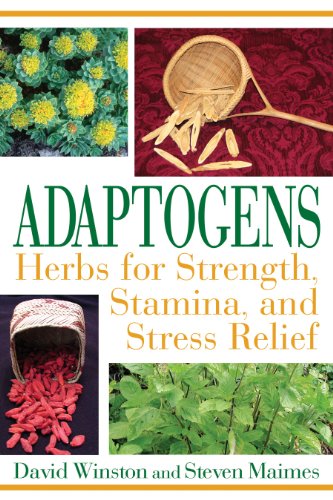
Adaptogens: Herbs for Strength, Stamina, and Stress Relief: Winston, David, Maimes, Steven
In Adaptogens, authors David Winston and Steven Maimes provide a comprehensive look into adaptogens, nontoxic herbs such as <strong>ginseng, eleuthero, and licorice</strong>, that produce a defensive
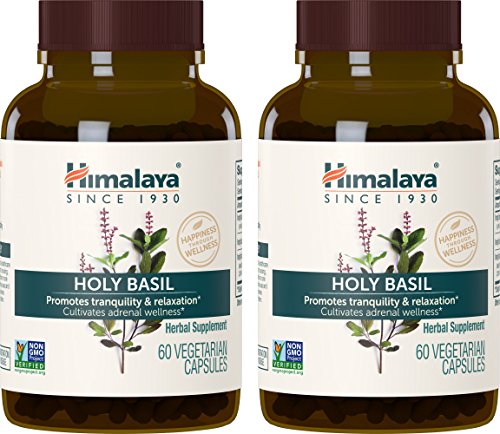
Himalaya Holy Basil - Herbal Adrenal Support for Stress Relief, Relaxation, Energy Support and Occasional Sleeplessness - Vegan, Non-GMO, Gluten Free, 720 mg, 60 Capsules
Family-owned & trusted: Himalaya herbal supplements blend time-honored Ayurvedic herbs with over 90 years of family-owned expertise to deliver trusted and effective care ... Loading content. ... L
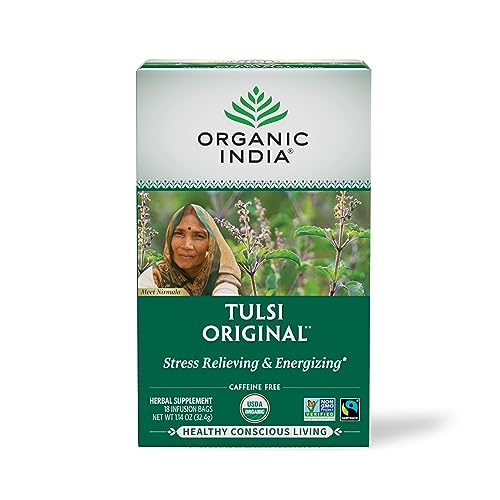
ORGANIC INDIA Original Tulsi Tea - Herbal Tea, Holy Basil and African Basil Calming and Stress Relief Tea, Immune Support, USDA Certified Organic, Non-GMO, Caffeine-Free - 18 Infusion Bags, 1 Pack : Everything Else
ORGANIC INDIA Tulsi Original Herbal Tea - Holy Basil and African Basil Calming and Stress Relief Tea, Immune Support, USDA Certified Organic, Non-GMO, Caffeine-Free - 18 Infusion Bags, 6 Pack
Evidence & Sources
Promising research with growing clinical support from multiple studies
- NCCIH (National Center for Complementary and Integrative Health)
- World Health Organization (WHO) Monographs on Selected Medicinal Plants
- Journal of Ayurveda and Integrative Medicine
- Evidence-Based Complementary and Alternative Medicine
- Frontiers in Nutrition
- Phytotherapy Research
- Journal of Ethnopharmacology
- Molecules
This content is for informational purposes only and does not constitute medical advice. Always consult a qualified healthcare provider before starting, stopping, or changing any supplement or medication regimen.