

Gotu Kola
Also known as: Centella Asiatica, Mandukaparni, Tiger Grass
Overview
Gotu kola (Centella asiatica) is a small leafy plant used for centuries in traditional medical systems across Asia, and it is now widely marketed as a botanical supplement for circulatory support, skin repair, cognitive function, and stress resilience. Despite its common name, gotu kola is not the same as kola nut and does not naturally contain caffeine. Its major active constituents are typically described as triterpenoid compounds, including asiaticoside, madecassoside, asiatic acid, and madecassic acid, which have drawn research interest for their effects on connective tissue, microcirculation, inflammation, and antioxidant activity.
Modern interest in gotu kola often centers on three broad areas: venous and microvascular health, wound and scar healing, and brain-related effects such as memory, attention, and calmness. In both supplements and topical products, the herb is frequently discussed in relation to collagen support, skin integrity, and subjective mental fatigue. Research suggests its actions may involve modulation of inflammatory pathways, support for extracellular matrix formation, and effects on endothelial and connective tissue function. However, the strength of evidence varies substantially depending on the condition studied, the extract used, and whether the herb is taken orally or applied topically.
From a public health perspective, gotu kola occupies an interesting space between traditional use and emerging clinical evidence. Some standardized extracts have been studied in chronic venous insufficiency and wound healing contexts, while other popular claims—particularly around cognition and mood—remain less consistently supported in large, high-quality human trials. Product quality also matters: plant identity, extraction method, dose standardization, and potential contamination can all influence outcomes and safety.
Gotu kola is generally described as well known in herbal medicine but only selectively validated in modern clinical research. As with many supplements, it is best understood as a botanical with promising but condition-specific evidence, rather than a universally established therapy. People considering its use often benefit from discussing it with a qualified healthcare professional, especially if they have liver conditions, take multiple medications, are pregnant or breastfeeding, or are managing vascular or dermatologic disorders.
Medical Perspectives
Two Ways of Seeing Health

Western
scientific · clinical
Western medicine applies science, technology, and clinical experience to treat symptoms through testing, diagnosis, and targeted intervention.

Eastern
traditional · alternative
Eastern medicine focuses on treating the body naturally by applying traditional knowledge practiced for thousands of years, emphasizing balance and whole-person wellness.
Gold Bamboo presents both perspectives side-by-side so you can make informed decisions. We don't advocate for one over the other — your health choices are yours.
Western Medicine Perspective
Western / Conventional Medicine Perspective
In conventional medicine, gotu kola is viewed primarily as a botanical product with pharmacologically active triterpenes that may affect connective tissue remodeling, collagen synthesis, antioxidant defense, and microvascular permeability. Clinical and preclinical studies have examined standardized Centella asiatica extracts for chronic venous insufficiency, venous hypertension, edema, wound healing, scar formation, and skin repair. Some studies indicate that certain extracts may improve symptoms such as leg heaviness, swelling, or microcirculatory parameters, particularly in people with venous disorders. In dermatology and wound care research, topical and oral preparations have been investigated for support of tissue healing and scar quality, though outcomes differ by formulation and study design.
Conventional evidence for cognitive or anxiolytic effects is more preliminary. Laboratory and animal studies suggest possible neuroprotective, antioxidant, and anti-inflammatory mechanisms, and small human studies have explored memory, attention, anxiety, and stress-related symptoms. However, these findings are not yet uniform enough to establish gotu kola as a standard evidence-based intervention for neurologic or psychiatric conditions. Research is also limited by small sample sizes, heterogeneous extracts, and variable outcome measures.
Safety assessments in Western medicine generally describe gotu kola as possibly well tolerated when used appropriately, but not risk-free. Reported concerns include gastrointestinal upset, headache, drowsiness, skin reactions with topical use, and rare concerns about liver-related adverse effects in case reports. Because supplements can interact with medications or vary in potency and purity, conventional sources typically emphasize cautious use and professional oversight, especially for people with chronic illness or those taking sedatives, hepatically metabolized drugs, or other complex regimens.
Eastern & Traditional Perspective
Eastern / Traditional Medicine Perspective
In Traditional Chinese Medicine (TCM) and related East and Southeast Asian herbal traditions, gotu kola has long been regarded as a cooling, restorative plant associated with clearing heat, supporting detoxification processes, calming the mind, and promoting recovery of the skin and soft tissues. Traditional use has included applications for boils, minor wounds, inflammatory skin conditions, swelling, and mental agitation, as well as broader concepts of vitality and longevity. Rather than isolating one chemical constituent or one target organ system, traditional frameworks interpret gotu kola through patterns involving heat, stagnation, toxicity, and impaired tissue recovery.
In Ayurveda, gotu kola is often associated with the herb mandukaparni and is considered a medhya rasayana, a classically described rejuvenative category linked to intellect, memory, and nervous system nourishment. It has traditionally been used to support mental clarity, emotional steadiness, skin health, and connective tissue repair. Ayurvedic interpretation often places emphasis on balancing excess heat and supporting subtle channels of circulation and cognition. This helps explain why the herb is historically discussed for both the mind and the skin, two themes that continue into modern supplement marketing.
In naturopathic and integrative herbal practice, gotu kola is commonly viewed as a trophorestorative or tissue-supportive herb for connective tissue, capillary integrity, and recovery following skin stress. Traditional and modern herbalists often describe it as especially relevant where there is poor wound repair, mild venous stagnation, or stress-related mental fatigue. At the same time, responsible traditional practice generally accounts for constitution, formulation synergy, and practitioner assessment rather than treating gotu kola as a one-size-fits-all remedy. As with any traditional botanical, consultation with a trained practitioner can help contextualize its use within a broader health picture.
Supplements & Products
Recommended Products
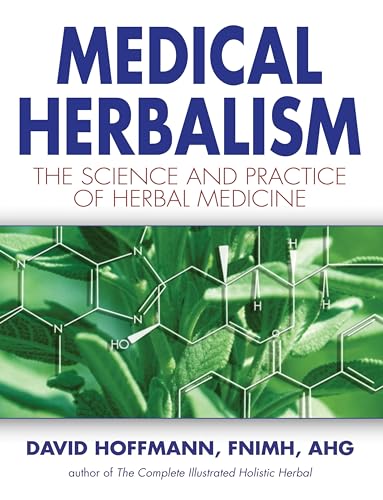
Principles and Practice of Phytotherapy: Modern Herbal Medicine
by Kerry Bone MCPP FNHAA FNIMH ... <strong>covers all major aspects of herbal medicine from fundamental concepts, traditional use and scientific research through to safety, effective dosage and clinic
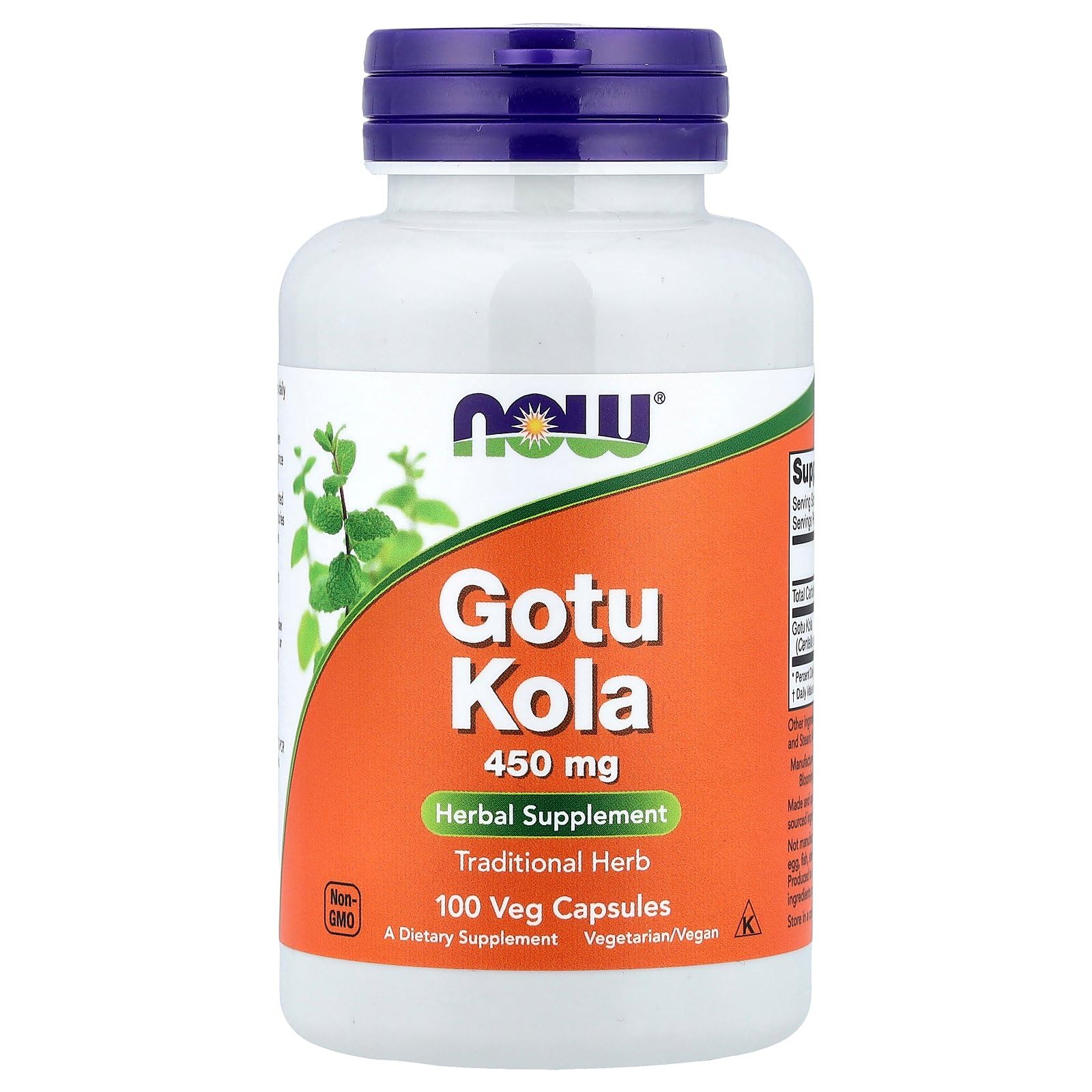
Now Foods Gotu Kola 450mg 100 Vcaps
NOW Foods Supplements, Gotu Kola (Centella asiatica) 450 mg, Herbal Supplement, 100 Veg Capsules ·
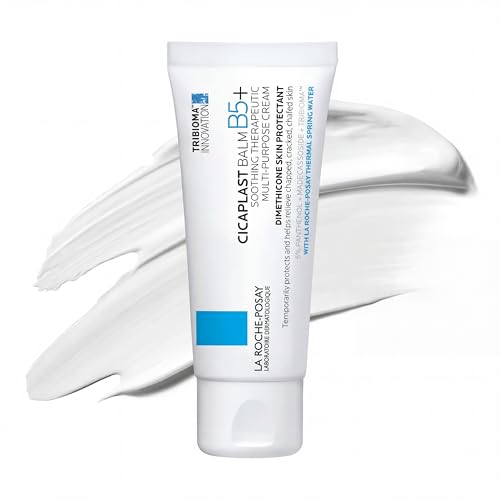
La Roche-Posay Cicaplast Balm B5, Healing Ointment and Soothing Therapeutic Multi Purpose Cream for Dry & Irritated Skin, Body and Hand Balm, Baby Safe, Fragrance Free
La Roche-Posay Cicaplast B5 Spray With Vitamin B5 Panthenol & Madecassoside, Hydrating Face Mist For Skin Barrier Repair, Soothing Touch-Free Face & Body Spray, Sensitive Skin & Dermatolog
Evidence & Sources
Promising research with growing clinical support from multiple studies
- NCCIH (National Center for Complementary and Integrative Health)
- Natural Medicines Database
- World Health Organization Monographs on Selected Medicinal Plants
- Journal of Ethnopharmacology
- Phytomedicine
- Planta Medica
- Indian Journal of Pharmacology
- International Journal of Lower Extremity Wounds
This content is for informational purposes only and does not constitute medical advice. Always consult a qualified healthcare provider before starting, stopping, or changing any supplement or medication regimen.