

Ginger
Overview
Ginger (Zingiber officinale) is a widely used culinary spice and botanical supplement derived from the rhizome, or underground stem, of the ginger plant. It has a long history of use across many medical traditions and is commonly discussed in relation to digestive health, nausea, inflammation, and respiratory comfort. Modern supplement forms include dried powder, capsules, teas, extracts, syrups, and standardized preparations containing bioactive compounds such as gingerols, shogaols, and zingerone.
From a public health perspective, ginger occupies an unusual position because it is both a common food and a therapeutic herb. This dual role has made it one of the more familiar supplements in integrative health. Research has examined ginger in areas including pregnancy-related nausea, postoperative nausea and vomiting, chemotherapy-associated nausea support, osteoarthritis symptoms, and metabolic health markers. Interest also extends to its antioxidant and anti-inflammatory properties, though findings vary depending on preparation, dose, and study design.
Ginger’s significance lies partly in its broad traditional use and partly in its relatively strong safety and research profile compared with many botanicals. Even so, supplement use is not identical to culinary use. Concentrated extracts may differ meaningfully in potency, and product quality can vary across manufacturers. As with other supplements, interpretation of benefits requires attention to formulation, standardization, duration of use, and the population studied.
Overall, ginger is best understood as a multifunctional botanical with established traditional use and a growing modern evidence base. While research suggests potential benefit in several symptom-based areas—especially nausea-related conditions and some inflammatory complaints—it is not regarded in conventional medicine as a stand-alone treatment for serious disease. Consultation with a qualified healthcare professional is appropriate when ginger is being considered alongside medications, during pregnancy, or in the setting of chronic illness.
Medical Perspectives
Two Ways of Seeing Health

Western
scientific · clinical
Western medicine applies science, technology, and clinical experience to treat symptoms through testing, diagnosis, and targeted intervention.

Eastern
traditional · alternative
Eastern medicine focuses on treating the body naturally by applying traditional knowledge practiced for thousands of years, emphasizing balance and whole-person wellness.
Gold Bamboo presents both perspectives side-by-side so you can make informed decisions. We don't advocate for one over the other — your health choices are yours.
Western Medicine Perspective
Western Medicine Perspective
In conventional medicine, ginger is typically evaluated based on its phytochemistry and symptom-targeted effects. The compounds most often studied are [6]-gingerol, shogaols, paradols, and related phenolics, which appear to influence pathways involved in gastrointestinal motility, serotonin signaling, inflammation, and oxidative stress. Researchers have proposed mechanisms that may help explain ginger’s role in reducing certain types of nausea, including effects on gastric emptying and gastrointestinal receptors rather than solely central nervous system sedation.
The strongest clinical attention has focused on nausea and vomiting. Studies and reviews suggest ginger may help reduce pregnancy-related nausea, and it has also been investigated for postoperative nausea and vomiting and as supportive care for chemotherapy-associated nausea, though results are more mixed in oncology settings. Conventional sources often note that evidence is promising but not uniform, with outcomes affected by differences in dose, timing, comparator therapies, and the type of ginger preparation used.
Ginger has also been studied for pain and inflammation-related conditions, especially osteoarthritis. Some trials indicate modest improvements in pain or function, potentially related to anti-inflammatory actions involving cyclooxygenase and lipoxygenase pathways. Additional research has explored metabolic markers such as blood glucose, lipids, and body weight, but these findings remain less consistent and are not considered definitive. Western medicine generally treats ginger as an adjunctive supplement with limited but meaningful evidence in selected uses, rather than a replacement for standard care.
From a safety standpoint, ginger is often regarded as generally well tolerated when used appropriately, with gastrointestinal upset, heartburn, or mouth/throat irritation among the more commonly reported adverse effects. Conventional references also discuss the potential for interactions in people using anticoagulant or antiplatelet medications, although the clinical significance can vary and remains an area of discussion. Because supplements differ in concentration and purity, clinicians often emphasize the importance of reviewing product quality and discussing use with a healthcare provider.
Eastern & Traditional Perspective
Eastern / Traditional Medicine Perspective
In Traditional Chinese Medicine (TCM), ginger is considered a classic warming herb, with different forms used for somewhat different purposes. Fresh ginger (Sheng Jiang) is traditionally used to release the exterior, warm the middle, reduce nausea, and transform phlegm, while dried ginger (Gan Jiang) is viewed as more strongly warming and is used to support patterns associated with cold, digestive weakness, and depleted yang. In this framework, ginger is not selected based on a single biomedical diagnosis but according to broader patterns such as cold in the stomach, rebellious qi, phlegm accumulation, or digestive stagnation.
Within Ayurveda, ginger is widely regarded as an important herb for supporting agni (digestive fire) and helping regulate ama (metabolic residue or toxic buildup in traditional terminology). Fresh ginger is often seen as more suitable for certain milder digestive and respiratory applications, while dried ginger is considered hotter and more stimulating. Traditional Ayurvedic writings and modern Ayurvedic practice commonly associate ginger with support for digestion, circulation, respiratory comfort, and balance in kapha and vata patterns, while also recognizing that excess heat or irritation may make it less suitable in some constitutions or contexts.
In naturopathy and broader herbal traditions, ginger is often categorized as a carminative, antiemetic, warming circulatory stimulant, and diaphoretic. It has traditionally been used in teas, tinctures, powders, and syrups for indigestion, nausea, common cold support, and menstrual discomfort. These systems generally value ginger not only for isolated symptoms but also for its role in restoring functional balance—particularly where coldness, sluggish digestion, poor circulation, or damp/phlegm patterns are believed to be present.
Traditional systems tend to view ginger as a versatile botanical with broad constitutional effects, but they also place importance on individualization, preparation method, and pattern differentiation. This means the same herb may be used differently depending on whether the goal is to warm, disperse, settle the stomach, support respiration, or improve digestive resilience. In an integrative context, these historical frameworks complement rather than replace modern clinical evaluation.
Supplements & Products
Recommended Products
Ginger: Common Spice and Wonder Drug: Schulick, Paul
<strong>This book proposes that your spice cabinet contains a healing substance that is beyond the therapeutic scope of any modern drug</strong>; a substance with the potential to save billions of dol

New Chapter Ginger Supplement Force with Supercritical Organic + Non-GMO Ingredients Vegetarian Capsules, 60 Count
<strong>Help your digestive system stay happy and healthy with the force of pure Ginger, a widely used herb for healthy digestion & GI tract health</strong>.* Active ingredients support the growth
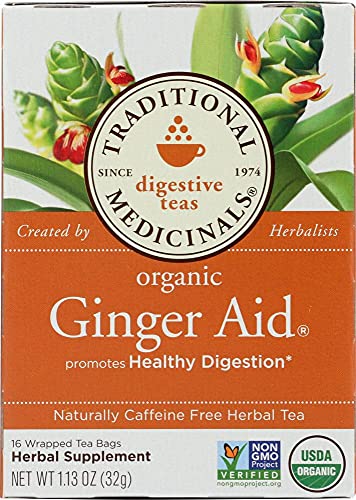
Traditional Medicinals Organic Ginger Aid Herbal Tea, Promotes Healthy Digestion, (Pack of 1) - 16 Tea Bags : Black Teas
Traditional Medicinals Organic Ginger & Chamomile Herbal Tea, <strong>Relieves Occasional Indigestion or Nausea</strong>, (Pack of 1) - 16 Tea Bags
Evidence & Sources
Promising research with growing clinical support from multiple studies
- National Center for Complementary and Integrative Health (NCCIH)
- World Health Organization Monographs on Selected Medicinal Plants
- American College of Obstetricians and Gynecologists (ACOG)
- Cochrane Database of Systematic Reviews
- Phytotherapy Research
- Journal of Ethnopharmacology
- The American Journal of Clinical Nutrition
- Arthritis & Rheumatism
This content is for informational purposes only and does not constitute medical advice. Always consult a qualified healthcare provider before starting, stopping, or changing any supplement or medication regimen.