

Garlic
Also known as: Allium Sativum, Aged Garlic Extract, Kyolic
Garlic: overview
Garlic (Allium sativum) is a widely used culinary plant and one of the most extensively studied traditional medicinal herbs. Across many cultures, garlic has been valued for its distinctive sulfur-containing compounds, especially allicin and related organosulfur molecules, which are thought to contribute to its biological activity. As a supplement, garlic is commonly discussed in connection with cardiovascular health, immune support, and antimicrobial effects, and it appears frequently in integrative medicine conversations about cholesterol, blood pressure, and general wellness.
Garlic can be consumed as fresh cloves, aged garlic extract, powders, oils, and other preparations. This matters because the chemical profile varies significantly by form and processing. Crushing or chopping fresh garlic activates the enzyme alliinase, which helps generate allicin, but heat, aging, and manufacturing methods can alter the final compounds present in a supplement. For that reason, findings from one garlic preparation may not translate directly to another, and this variability is a major theme in garlic research.
Interest in garlic spans both prevention-oriented wellness and traditional healing systems. Population and clinical research has explored whether garlic may help support healthy lipid levels, modestly influence blood pressure, and interact with pathways related to inflammation, oxidative stress, platelet function, and microbial growth. At the same time, garlic has a long history of traditional use for respiratory complaints, digestion, circulation, and resilience during seasonal illness. Although garlic is often perceived as a simple household remedy, its physiological effects are complex and deserve the same careful evaluation as other bioactive supplements.
Garlic is generally regarded as a food-based supplement with meaningful biologic activity, but it is not risk-free. Depending on the form and amount used, garlic may be associated with digestive upset, odor, skin irritation, and clinically relevant interactions, particularly involving blood-thinning effects. As with other supplements, interpretation of benefits depends on context, product standardization, individual health status, and whether garlic is being used as part of diet, traditional practice, or adjunctive integrative care. Consulting a qualified healthcare professional is appropriate when garlic is being considered alongside medications or for a specific health condition.
Medical Perspectives
Two Ways of Seeing Health

Western
scientific · clinical
Western medicine applies science, technology, and clinical experience to treat symptoms through testing, diagnosis, and targeted intervention.

Eastern
traditional · alternative
Eastern medicine focuses on treating the body naturally by applying traditional knowledge practiced for thousands of years, emphasizing balance and whole-person wellness.
Gold Bamboo presents both perspectives side-by-side so you can make informed decisions. We don't advocate for one over the other — your health choices are yours.
Western Medicine Perspective
Western medicine perspective
From a conventional biomedical standpoint, garlic is studied primarily for its potential effects on cardiometabolic risk factors and, to a lesser extent, immune and antimicrobial activity. Research suggests that some garlic preparations may produce modest reductions in blood pressure and small improvements in certain cholesterol markers, especially in people with elevated baseline values. Proposed mechanisms include effects on nitric oxide signaling, vascular function, oxidative stress, inflammation, and cholesterol synthesis pathways. However, the magnitude of benefit is typically modest, and results vary across trials because of differences in dose, duration, participant characteristics, and the type of garlic used.
Garlic has also been investigated for its antiplatelet and anticoagulant-related effects, which are relevant to cardiovascular research but also to safety. Conventional references often note that garlic may increase bleeding tendency in some contexts, particularly when combined with anticoagulant or antiplatelet drugs or around surgical procedures. Other recognized adverse effects include heartburn, nausea, bloating, body or breath odor, and occasional allergic or contact reactions. For this reason, western medicine generally treats garlic as a biologically active supplement rather than a benign home remedy.
In immune and infection-related research, laboratory studies show that garlic compounds can affect bacteria, fungi, viruses, and inflammatory signaling. Human evidence is more limited and less consistent than the cardiovascular literature. Some studies indicate a possible role in supporting immune function or reducing the frequency or severity of common upper respiratory infections, but the overall quality of evidence remains mixed. Conventional medicine therefore tends to view garlic as adjunctive and supportive, with stronger interest in risk-factor modification than in treatment of acute illness.
A key issue in western evaluation is standardization. Fresh garlic, garlic powder, garlic oil, and aged garlic extract are not equivalent interventions. Clinical interpretation depends on the preparation studied, and systematic reviews often caution that heterogeneity limits firm conclusions. In evidence-based practice, garlic is typically discussed as a supplement with plausible cardiovascular benefits, promising but variable immune data, and clear importance for safety screening in people taking medications or preparing for procedures.
Eastern & Traditional Perspective
Eastern and traditional medicine perspective
In Traditional Chinese Medicine (TCM), garlic has traditionally been regarded as a warming, dispersing food-herb associated with moving stagnant influences and addressing certain patterns related to cold, dampness, toxicity, and digestive stagnation. Classical and folk traditions have used garlic in contexts involving poor digestion, abdominal discomfort, parasitic concerns, respiratory congestion, and seasonal vulnerability. In this framework, garlic is valued less as a single isolated compound and more as a pungent medicinal food that influences circulation, digestion, and the body's defensive capacity.
In Ayurveda, garlic is widely known as lasuna, a plant with a long history of use in traditional formulations and household practice. It has been described in relation to supporting digestion, circulation, vitality, and resilience. Traditional Ayurvedic texts and later practice often associate garlic with warming, penetrating, and stimulating qualities, and it has been used in contexts involving sluggish digestion, imbalances linked to cold or heaviness, and age-related weakness. At the same time, classical Ayurvedic interpretation also emphasizes that garlic may be considered intense or heating for some constitutions or circumstances, illustrating the individualized nature of traditional assessment.
In broader naturopathic and folk herbal traditions, garlic has often been viewed as a foundational antimicrobial and circulatory herb. It is commonly discussed for seasonal immune support, respiratory wellness, and heart health, especially as part of a whole-diet or food-as-medicine model. Traditional systems generally place garlic within a pattern-based context: its value depends on the person's constitution, digestion, vitality, and the broader combination of foods or herbs used alongside it.
Traditional perspectives do not always map directly onto biomedical endpoints such as LDL reduction or systolic blood pressure. Instead, they emphasize balance, terrain, digestion, circulation, and resistance to illness. Modern integrative medicine often attempts to bridge these views by examining whether traditional uses of garlic for circulation, infection resistance, and digestive function align with contemporary findings on vascular biology, immune signaling, and microbial activity. Consultation with practitioners trained in these systems is important when interpreting garlic through an individualized traditional framework.
Supplements & Products
Recommended Products
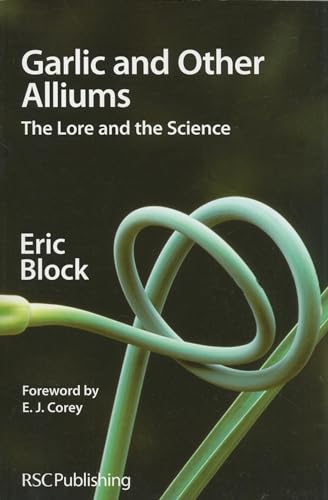
Garlic and Other Alliums: The Lore and the Science
Garlic and Other Alliums <strong>explains the remarkable role played by the ubiquitous element sulfur in nature</strong>, including the everyday chemistry that occurs in the kitchen and in the garden
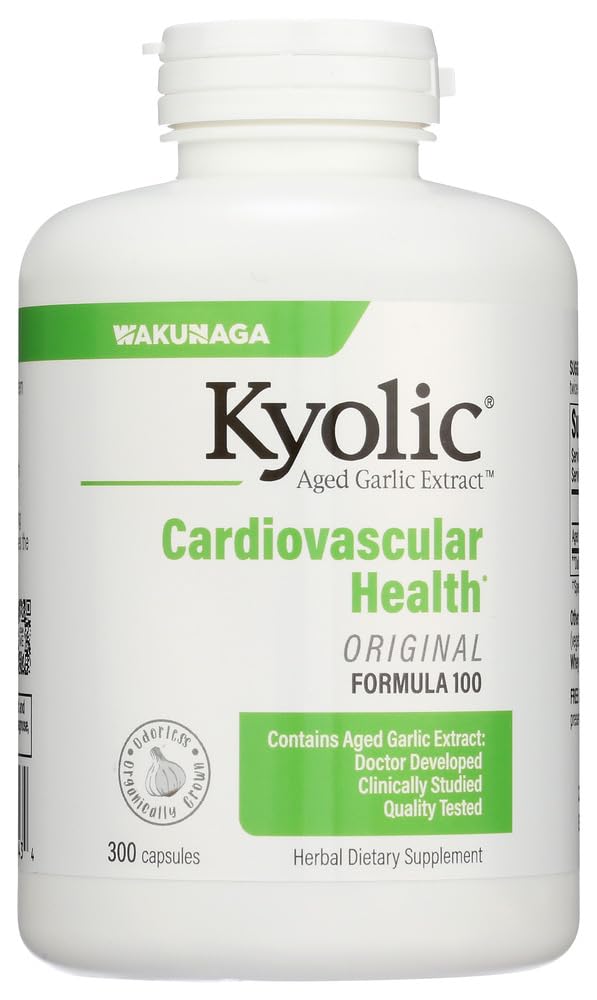
Kyolic Aged Garlic Extract - Original Cardiovascular Formula 100, High Potency 600mg, 300 caps., (Wakunaga/Kyolic)
Buy Kyolic Aged Garlic Extract - Original Cardiovascular Formula 100, High Potency 600mg, 300 caps., (Wakunaga/Kyolic) on Amazon.com ✓ FREE SHIPPING on qualified orders

Nature's Way Garlinase 5000, Garlic Extract, Supports Heart Health*, Odorless Garlic Supplements, Vegan, 100 Tablets : Everything Else
Nature's Way Garlinase 5000 with allicin supplement delivers <strong>5,000 mcg of allicin per serving</strong>, garlic's beneficial compound to support heart health* Odor-free garlic tablets
Evidence & Sources
Promising research with growing clinical support from multiple studies
- National Center for Complementary and Integrative Health (NCCIH)
- National Institutes of Health Office of Dietary Supplements
- Journal of Nutrition
- Nutrition Reviews
- Phytotherapy Research
- Experimental and Therapeutic Medicine
- Mayo Clinic Proceedings
- World Health Organization monographs on selected medicinal plants
This content is for informational purposes only and does not constitute medical advice. Always consult a qualified healthcare provider before starting, stopping, or changing any supplement or medication regimen.