

Fructooligosaccharides
Also known as: FOS, Fructo-Oligosaccharides
Fructooligosaccharides (FOS): Overview
Fructooligosaccharides (FOS) are short-chain carbohydrates made of fructose units that occur naturally in foods such as chicory root, onions, garlic, asparagus, bananas, and Jerusalem artichoke. They are classified as prebiotic fibers, meaning they are not fully digested in the upper gastrointestinal tract and instead reach the colon, where they can be fermented by gut microbes. Because of this role, FOS are widely discussed in relation to the gut microbiome, digestive regularity, and overall gastrointestinal balance.
Interest in FOS has grown alongside broader scientific attention to the microbiome. Research suggests that FOS can selectively encourage the growth or activity of certain beneficial bacteria, particularly Bifidobacterium species, while also increasing production of short-chain fatty acids through fermentation. These microbial metabolites are being studied for their relationship to intestinal barrier function, bowel habits, immune signaling, and metabolic health. At the same time, tolerance can vary widely: some individuals experience mild bloating or gas, especially when intake is increased quickly or when underlying digestive sensitivity is present.
FOS are often grouped with inulin and other fermentable fibers, though they are not identical. Their shorter chain length can make them more rapidly fermented than some other prebiotics, which may influence both their physiological effects and their tendency to cause gastrointestinal symptoms in sensitive people. In consumer health discussions, FOS are commonly sought for microbiome support, gentle fiber supplementation, and digestive wellness, but the effects are typically context-dependent and influenced by diet, baseline microbiome composition, and overall health status.
From a broader health perspective, FOS occupy an important middle ground between nutrition and supplementation. They are present in foods, added to functional products, and used as isolated ingredients in dietary supplements. While research is active and promising in areas such as bowel function, calcium absorption, and microbiome modulation, outcomes are not uniform across all populations. As with many microbiome-focused interventions, interpretation benefits from caution, individualized context, and discussion with a qualified healthcare professional when digestive disorders or complex medical conditions are involved.
Medical Perspectives
Two Ways of Seeing Health

Western
scientific · clinical
Western medicine applies science, technology, and clinical experience to treat symptoms through testing, diagnosis, and targeted intervention.

Eastern
traditional · alternative
Eastern medicine focuses on treating the body naturally by applying traditional knowledge practiced for thousands of years, emphasizing balance and whole-person wellness.
Gold Bamboo presents both perspectives side-by-side so you can make informed decisions. We don't advocate for one over the other — your health choices are yours.
Western Medicine Perspective
Western / Conventional Medicine Perspective
In conventional medicine and nutrition science, FOS are primarily understood as non-digestible fermentable carbohydrates with prebiotic activity. Their main recognized mechanism is that they pass through the small intestine largely intact and are metabolized by colonic bacteria. Studies indicate this can increase populations of certain beneficial microbes, especially bifidobacteria, and alter the intestinal environment through fermentation end products such as acetate, propionate, and butyrate-related downstream effects. This has made FOS a frequent subject in research on microbiota composition, stool frequency, and digestive comfort.
Clinical research suggests FOS may support bowel regularity in some individuals and may modestly influence markers related to mineral absorption, particularly calcium, in certain age groups. They have also been studied in infant nutrition, functional constipation, irritable bowel symptom patterns, and metabolic health, though findings are mixed and often depend on dose, formulation, and study population. Conventional medicine generally does not view FOS as a treatment for disease on their own; rather, they are considered a dietary component or adjunctive nutritional ingredient that may contribute to gastrointestinal health in selected contexts.
A key clinical limitation is gastrointestinal tolerance. Because FOS are fermentable, they may trigger gas, bloating, abdominal discomfort, or altered bowel habits in some people, particularly those with IBS, visceral hypersensitivity, or sensitivity to high-FODMAP foods. For this reason, conventional discussions of FOS often include the idea that a prebiotic can be beneficial for one person yet poorly tolerated by another. This individualized response is a major theme in microbiome medicine and remains an area of ongoing study.
From an evidence standpoint, western medicine sees FOS as plausible and moderately supported for microbiome modulation, but not universally beneficial in every digestive condition. Research is strongest for their effect on microbial fermentation and bifidogenic activity, while downstream outcomes such as immune benefits, metabolic impact, or broad systemic effects are still being clarified.
Eastern & Traditional Perspective
Eastern / Traditional Medicine Perspective
Traditional medical systems such as Traditional Chinese Medicine (TCM) and Ayurveda did not historically describe fructooligosaccharides as an isolated compound, but they have long emphasized the importance of digestive balance, proper transformation of food, and a healthy internal environment. In this context, FOS-containing foods would generally be understood less as a biochemical prebiotic and more as part of a dietary pattern that influences the terrain of digestion, elimination, and vitality.
In TCM, digestive health is often discussed through the functional concepts of the Spleen and Stomach, which govern transformation and transportation of food and fluids. Foods naturally containing prebiotic fibers may be viewed according to their energetic qualities, digestive effects, and impact on patterns such as dampness, stagnation, or deficiency. A food that supports regular elimination and nourishes without overburdening digestion may be considered helpful in some constitutions, while excessively fermentable foods might be seen as aggravating bloating or abdominal distension in others. This resembles modern recognition that FOS tolerance varies from person to person.
In Ayurveda, gut health is framed through concepts such as agni (digestive fire), ama (metabolic residue), and the balance of the doshas. Fiber-rich plant foods can be valued for supporting elimination and intestinal function, yet Ayurvedic interpretation is highly individualized. A substance that promotes bowel movement and microbial fermentation might be considered supportive when digestion is sluggish, but less suitable when gas, distension, or irregular digestion are already prominent. This parallels the modern distinction between beneficial prebiotic activity and unwanted fermentative symptoms.
Naturopathic and integrative traditions often bridge these perspectives by describing FOS as a microbiome-supportive plant fiber that may help cultivate a healthier digestive ecosystem. However, even within these frameworks, traditional and integrative practitioners generally emphasize constitution, digestive resilience, and food tolerance rather than assuming a uniform effect. This individualized lens is one of the strongest points of overlap between traditional systems and current microbiome research.
Supplements & Products
Recommended Products

The Good Gut: Taking Control of Your Weight, Your Mood, and Your Long-term Health: Sonnenburg, Justin, Sonnenburg, Erica, Weil M.D., Andrew
Lucky for us, they are willing ... Stanford researchers and authors Justin and Erica Sonnenburg <strong>explain some of the mysteries of the invisible world inside us</strong>....
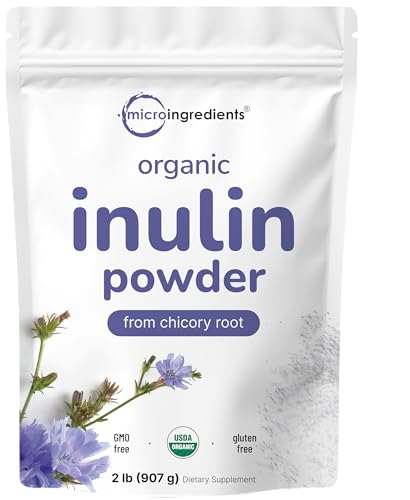
Micro Ingredients Organic Inulin Fiber Powder, 2lb | Natural Prebiotic to Support Digestive & Gut Health | Soluble, Easily Digestible | Unflavored, Vegan
Nutricost Organic Inulin Powder 1LB (454 Grams) 7 Grams of Fiber Per Serving - from Chicory Root - Certified USDA Organic ... Organic Inulin Powder (48oz/3 lbs) Gentle Agave Prebiotic Soluble Fiber Su

Jarrow Formulas® Prebiotic Inulin FOS Prebiotic Fiber Supplement, 6.3 Oz, Prebiotics for Gut Health and Digestive Support, Approx. 47 Servings : Toys & Games
Micro Ingredients Organic Inulin FOS Fiber Powder, 2.2 lbs | <strong>Quick Water-Soluble Prebiotic | Natural Fiber for Smoothies & Drinks | Vegan Friendly, Dissolves Clear</strong> ... Micro Ingre
Evidence & Sources
Promising research with growing clinical support from multiple studies
- National Center for Complementary and Integrative Health (NCCIH)
- National Institutes of Health Office of Dietary Supplements
- World Gastroenterology Organisation Global Guidelines
- The American Journal of Clinical Nutrition
- The Journal of Nutrition
- Gut Microbes
- Nutrients
- British Journal of Nutrition
This content is for informational purposes only and does not constitute medical advice. Always consult a qualified healthcare provider before starting, stopping, or changing any supplement or medication regimen.