

Fo-Ti
Also known as: He Shou Wu, Polygonum Multiflorum, Fo Ti
Overview
Fo-ti—also known as He Shou Wu and commonly identified botanically as Polygonum multiflorum or Reynoutria multiflora—is a traditional Chinese herbal medicine long associated with longevity, vitality, reproductive strength, and hair support. In classical East Asian herbal practice, it is considered a restorative tonic, particularly in prepared forms that have been processed with black beans. Modern supplement markets often position Fo-ti within conversations about healthy aging, energy, liver support, and graying hair, although these uses reflect a mix of traditional theory, historical reputation, and emerging scientific interest rather than uniformly established clinical evidence.
The herb exists in different forms with importantly different traditional uses and safety considerations. In traditional Chinese medicine (TCM), prepared Fo-ti (processed root) is generally distinguished from raw Fo-ti, with the prepared form more commonly used as a tonic and the raw form historically associated with stronger bowel-moving or detoxifying actions. This distinction matters because processing may alter both the herb’s chemistry and its traditional indications. In contemporary commerce, labeling can be inconsistent, and products may vary by species identity, extraction method, dosage concentration, and quality control.
Interest in Fo-ti has grown because it sits at the intersection of traditional longevity medicine and modern supplement culture. Laboratory studies have examined its constituents—including stilbene glycosides, phospholipids, and anthraquinones—for possible antioxidant, neuroprotective, lipid-modulating, and anti-inflammatory effects. At the same time, Fo-ti has also drawn substantial attention for safety concerns, especially reports of liver injury associated with some preparations. As a result, it is one of the better-known examples of an herb that carries a strong traditional reputation but also requires careful consideration of preparation type, product quality, and individual risk factors.
From a balanced health information perspective, Fo-ti is best understood as a historically important tonic herb with mixed modern evidence and meaningful safety questions. People often encounter it in formulas marketed for hair vitality, aging support, or constitutional strengthening, but human clinical research remains limited compared with its long traditional use. Consultation with a qualified healthcare professional is especially important when herbal supplements are being considered alongside prescription medicines, preexisting liver concerns, or complex health conditions.
Medical Perspectives
Two Ways of Seeing Health

Western
scientific · clinical
Western medicine applies science, technology, and clinical experience to treat symptoms through testing, diagnosis, and targeted intervention.

Eastern
traditional · alternative
Eastern medicine focuses on treating the body naturally by applying traditional knowledge practiced for thousands of years, emphasizing balance and whole-person wellness.
Gold Bamboo presents both perspectives side-by-side so you can make informed decisions. We don't advocate for one over the other — your health choices are yours.
Western Medicine Perspective
Western / Conventional Medicine Perspective
From a conventional medical standpoint, Fo-ti is regarded as a botanical supplement with incomplete clinical evidence and notable hepatotoxicity concerns. Research interest has focused on compounds such as 2,3,5,4'-tetrahydroxystilbene-2-O-β-D-glucoside (TSG) and anthraquinone-related constituents, which in preclinical models have shown antioxidant, anti-inflammatory, neuroprotective, and metabolic effects. However, these laboratory and animal findings do not automatically translate into reliable clinical benefit in humans. At present, mainstream medicine does not recognize Fo-ti as a standard treatment for hair loss, aging, fatigue, or longevity-related outcomes.
The most prominent issue in the medical literature is herb-induced liver injury linked to Polygonum multiflorum products. Case reports and pharmacovigilance reviews have described instances of hepatitis, jaundice, elevated liver enzymes, and, in rare severe cases, acute liver failure associated with Fo-ti use. Researchers have proposed several possible explanations, including idiosyncratic reactions, variability in processing, contamination or adulteration, dose-related toxicity, and interactions with other compounds. Because supplements are not standardized uniformly across markets, product-to-product inconsistency remains a significant challenge in evaluating risk.
Conventional clinicians also note that claims related to hair repigmentation, anti-aging, fertility, or vitality are not supported by high-quality large-scale human trials. In evidence-based practice, Fo-ti is therefore approached cautiously: as a supplement with biologically active compounds and historical use, but without robust clinical validation for most marketed benefits. Individuals considering Fo-ti are commonly encouraged in medical settings to discuss it with a healthcare provider, particularly if they have liver disease, use multiple medications, are pregnant or breastfeeding, or have a history of supplement sensitivity.
Eastern & Traditional Perspective
Eastern / Traditional Medicine Perspective
In Traditional Chinese Medicine, Fo-ti is known as He Shou Wu and is one of the best-known jing-tonifying herbs in the materia medica. Traditionally, it is associated with nourishing the Liver and Kidney systems, replenishing essence and blood, and supporting signs of constitutional depletion such as premature graying, weakness, soreness of the lower back and knees, and reduced vitality. Classical use often emphasizes prepared He Shou Wu rather than the raw root when the therapeutic goal is restoration, longevity support, or hair nourishment.
The traditional distinction between raw and prepared forms is central. Raw He Shou Wu has historically been used in a different manner, often in contexts related to clearing toxicity or promoting bowel movement, while prepared He Shou Wu is regarded as more tonic, grounding, and suitable for rebuilding deficiency patterns. In TCM formulation, Fo-ti is rarely understood as a standalone “anti-aging” herb in the modern commercial sense; rather, it is interpreted through pattern diagnosis and combined with other herbs to address an individual’s constitution and symptom picture.
In broader integrative and traditional herbal contexts, Fo-ti is often described as a restorative adaptogenic or constitutional tonic, though this language is more modern and not identical to classical TCM theory. Ayurveda does not traditionally center Fo-ti in the same way, but cross-cultural herbal practice sometimes places it among herbs used for rejuvenation, hair vitality, and age-related depletion. Naturopathic and integrative herbal traditions may also discuss Fo-ti in the context of whole-person vitality, while acknowledging that modern safety concerns have significantly shaped how the herb is viewed today.
Within traditional frameworks, the enduring reputation of Fo-ti reflects centuries of use and symbolism around healthy aging and preservation of vitality. At the same time, responsible contemporary interpretation increasingly recognizes that traditional use does not guarantee universal safety, and that processing method, sourcing, constitution, and practitioner oversight are all considered important in classical herbal practice.
Supplements & Products
Recommended Products

Chinese Herbal Medicine: Materia Medica (Portable 3rd Edition)
by Dan Bensky (Author), Steve Clavey (Author), Erich Stoger (Author), Lilian Lai Bensky (Illustrator) & 1 more
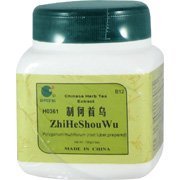
Zhi He Shou Wu - Fo-Ti Root Tuber, Zhi Prepared, 100 Grams,(E-Fong)
Buy Zhi He Shou Wu - Fo-Ti Root Tuber, Zhi Prepared, 100 Grams,(E-Fong) on Amazon.com ✓ FREE SHIPPING on qualified orders
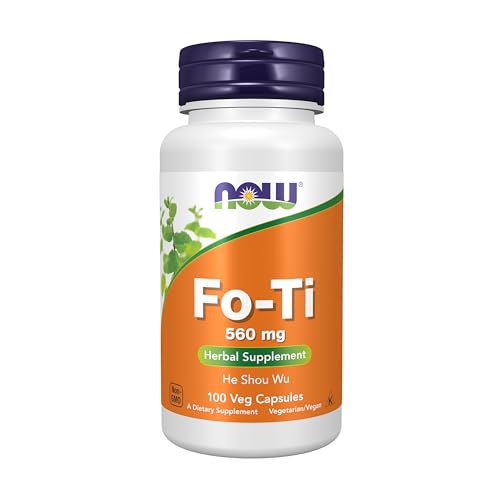
NOW Foods Supplements, Fo-Ti (Polygonum multiflorum) 560 mg, Ho Shou Wu, Herbal Supplement, 100 Veg Capsules
Buy NOW Foods Supplements, Fo-Ti (Polygonum multiflorum) 560 mg, Ho Shou Wu, Herbal Supplement, 100 Veg Capsules on Amazon.com ✓ FREE SHIPPING on qualified orders
Evidence & Sources
Promising research with growing clinical support from multiple studies
- National Center for Complementary and Integrative Health (NCCIH)
- LiverTox: Clinical and Research Information on Drug-Induced Liver Injury (NIH)
- Frontiers in Pharmacology
- Journal of Ethnopharmacology
- Phytomedicine
- World Journal of Gastroenterology
- Chinese Medicine
- World Health Organization (WHO) traditional medicine resources
This content is for informational purposes only and does not constitute medical advice. Always consult a qualified healthcare provider before starting, stopping, or changing any supplement or medication regimen.