

Evening Primrose Oil
Also known as: EPO, Oenothera Biennis Oil
Overview
Evening primrose oil (EPO) is a plant-derived oil extracted from the seeds of Oenothera biennis, valued primarily for its content of gamma-linolenic acid (GLA), an omega-6 fatty acid. In dietary supplement use, it is commonly discussed in relation to skin health, premenstrual symptoms, cyclical breast tenderness, and broader hormonal balance. Interest in EPO stems from the idea that GLA may influence the production of certain signaling molecules involved in inflammation, skin barrier function, and menstrual-related discomfort.
EPO has been widely marketed in integrative and natural health settings for concerns such as eczema, mastalgia (breast pain), premenstrual syndrome (PMS), and menopausal or cycle-related symptoms. Its popularity reflects both traditional use and long-standing consumer interest in non-pharmaceutical options for recurrent, quality-of-life issues. At the same time, clinical findings have been mixed, with some studies suggesting benefit in select contexts and others finding limited or no clear advantage over placebo.
From a nutritional perspective, evening primrose oil is best understood as a fatty-acid supplement rather than a hormone therapy. Its effects, when observed, are generally framed through modulation of inflammatory pathways and cell membrane function rather than direct endocrine action. This distinction is important because many claims around “hormonal support” are broader than what current clinical evidence can firmly establish.
Overall, evening primrose oil occupies a middle ground in integrative medicine: it is well known, biologically plausible for certain uses, and supported by some human research, but not uniformly endorsed across all of its traditional or popular applications. As with any supplement, product quality, formulation, dose, and individual health context may influence outcomes, and discussion with a qualified healthcare professional is appropriate when symptoms are persistent or complex.
Medical Perspectives
Two Ways of Seeing Health

Western
scientific · clinical
Western medicine applies science, technology, and clinical experience to treat symptoms through testing, diagnosis, and targeted intervention.

Eastern
traditional · alternative
Eastern medicine focuses on treating the body naturally by applying traditional knowledge practiced for thousands of years, emphasizing balance and whole-person wellness.
Gold Bamboo presents both perspectives side-by-side so you can make informed decisions. We don't advocate for one over the other — your health choices are yours.
Western Medicine Perspective
Western / Conventional Medicine Perspective
In conventional medicine, evening primrose oil is evaluated primarily through its GLA content and its potential effects on inflammatory mediators derived from fatty acid metabolism. Researchers have explored whether supplemental GLA may alter prostaglandin-related pathways, support skin barrier integrity, or reduce symptoms associated with cyclical inflammation and tissue sensitivity. This mechanistic rationale has made EPO a recurring subject of study in atopic dermatitis, mastalgia, diabetic neuropathy, and PMS-related symptom clusters.
The clinical evidence is uneven by indication. For eczema (atopic dermatitis), earlier enthusiasm has been tempered by systematic reviews that found insufficient or inconsistent benefit in many populations. For cyclical breast pain, some trials and clinical use patterns have suggested possible benefit, but higher-quality reviews have generally concluded that evidence remains limited or not clearly superior to placebo. In PMS, studies indicate potential symptom improvement in some participants, but the overall literature is not strong enough to support broad, definitive conclusions. Research on menopausal symptoms and generalized “hormonal balance” remains comparatively limited.
Safety is usually considered acceptable for many adults when used short term in studied amounts, but conventional sources note important caveats. Potential concerns include gastrointestinal upset, headache, and interactions with medications, particularly those affecting bleeding risk or seizure threshold. Because supplement regulation differs from prescription medication oversight, clinicians often emphasize that purity, potency, and labeling consistency may vary between products. From a conventional standpoint, EPO is typically viewed as a supplement with possible niche uses but modest and mixed evidence, rather than a first-line medical therapy.
Eastern & Traditional Perspective
Eastern / Traditional Medicine Perspective
In traditional and integrative systems, evening primrose oil is not a classical cornerstone remedy in the way that some long-established herbs are, but it has been incorporated into naturopathic and holistic practice as a supportive oil for skin dryness, cyclical discomfort, breast tenderness, and women’s health concerns. These traditions often interpret its value less through isolated biochemical targets and more through patterns of inflammation, tissue nourishment, and constitutional balance.
Within naturopathic medicine, EPO is commonly viewed as a source of essential fatty acids that may help support the body’s normal inflammatory response and the integrity of the skin barrier. It is often discussed in relation to dry, reactive, or inflamed skin states and menstrual-related symptoms that appear to fluctuate with the cycle. In this framework, evening primrose oil is generally considered part of a broader terrain-based approach that may also examine digestion, stress, sleep, and overall dietary patterns.
From the perspective of systems such as Traditional Chinese Medicine (TCM) or Ayurveda, evening primrose oil is more often treated as a modern adjunct than a classical materia medica staple. Integrative practitioners may conceptually associate its use with patterns involving dryness, irritability, cyclical stagnation, or inflammatory heat, though these interpretations vary by practitioner and lineage. Rather than being seen as a stand-alone solution, it is typically contextualized within a personalized model that considers the whole symptom picture. Because traditional frameworks rely on individualized pattern assessment, the relevance of EPO may differ considerably from person to person.
Supplements & Products
Recommended Products
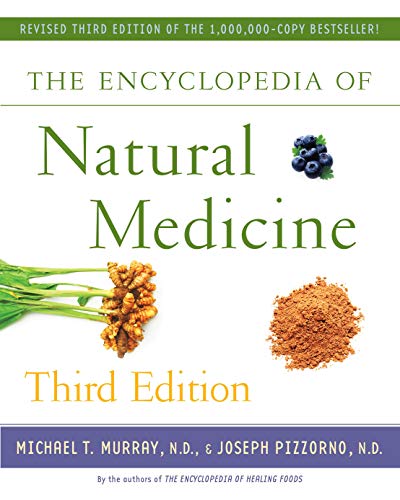
The Encyclopedia of Natural Medicine Third Edition (For Fans of Holistic Healing): Michael T. Murray, Joseph Pizzorno
From the world-renowned naturopathic ... common ailments. Michael Murray and Joseph Pizzorno <strong>focus on promoting health and treating disease with nontoxic, natural therapies</strong>....

NOW Foods Supplements, Evening Primrose Oil 1000 mg, Cold Pressed, Hexane Free, Vegan Formula, 90 Veg Softgels : Everything Else
NOW Foods Supplements, Evening Primrose Oil 500 mg with Naturally Occurring GLA (Gamma-Linolenic Acid), 250 Softgels · Solgar Evening Primrose Oil 1300 mg, 60 Softgels - Promotes Healthy Skin - Nutrit

Aura Cacia Organic Rosehip Skin Care Oil | GC/MS Tested for Purity | 30ml (1 fl. oz.) : Body Oils
Aura Cacia Skin Care Oils are <strong>plant-based oils that deliver nourishing moisture for face, body, and hair</strong>. This Organic Rosehip Oil contains naturally occurring vitamin A and essential
Evidence & Sources
Promising research with growing clinical support from multiple studies
- National Center for Complementary and Integrative Health (NCCIH)
- Cochrane Database of Systematic Reviews
- American Academy of Family Physicians (AAFP)
- Journal of Obstetrics and Gynaecology
- American Journal of Clinical Dermatology
- Maturitas
- Phytotherapy Research
- European Journal of Clinical Nutrition
This content is for informational purposes only and does not constitute medical advice. Always consult a qualified healthcare provider before starting, stopping, or changing any supplement or medication regimen.